




Urban farming in Dar: Growing food, income and environmental awareness
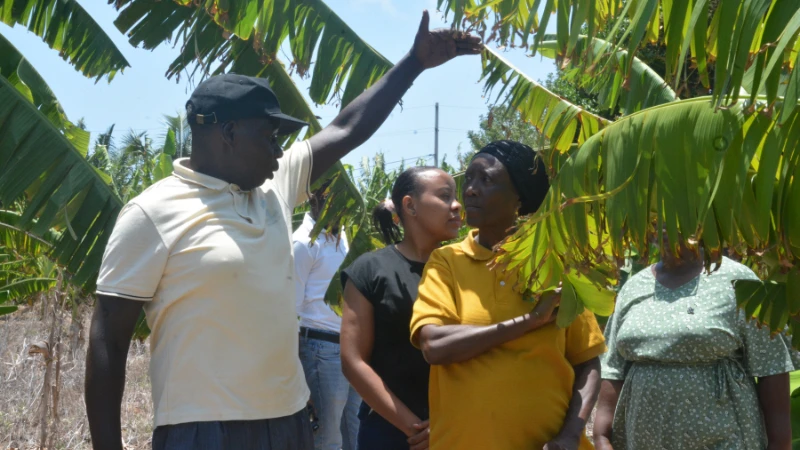
NESTLED along the coast of Dar es Salaam, Kigamboni District is emerging as a vibrant hub of urban agriculture. Thousands of residents have embraced farming across the district, cultivating a diverse range of crops from horticultural produce to maize and sunflower. The plots are not only feeding local families but also providing crucial income, underscoring the growing viability of urban farming in East Africa.
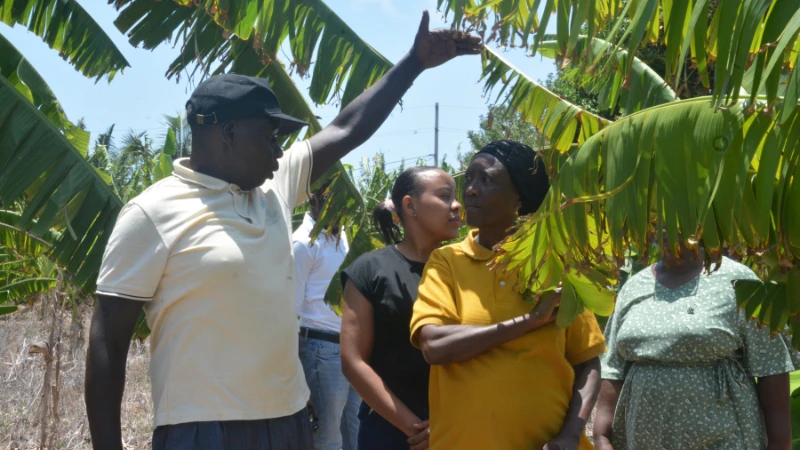
To enhance sustainable urban agriculture, Agenda for Environment and Responsible Development (AGENDA), a Dar es Salaam-based non-governmental organisation, in collaboration with Kigamboni District authorities, has launched a comprehensive programme to educate farmers on eco-friendly, organic, and innovative farming practices.
“Our goal is to empower smallholder farmers with modern, sustainable agricultural methods that improve environmental resilience, health, and income,” says Dora Swai, executive secretary of AGENDA.
During a visit to various schools and farmers beneficiary of the project in Kigamboni recently, Swai said: “By planting drought-resistant and fruit-bearing trees, both farmers and schoolchildren learn the benefits of a greener, healthier future.”
The initiative, supported by Global Greengrants Fund (GGF), is already yielding significant results.
The programme equips farmers with practical skills in eco-friendly, organic farming techniques that boost production while protecting human health and the environment. Training includes drip irrigation, organic pest control, and integrated crop planning, all designed to mitigate challenges posed by climate change, including prolonged droughts, high winds, and soil degradation.
“By cultivating organic crops and planting trees, farmers are protecting soil health and biodiversity while enhancing food security and nutrition,” Swai explains. “The methods also reduce dependence on harmful industrial pesticides, which can damage ecosystems and pose health risks.”
For Kigamboni authorities, urban farming is more than just a livelihood; it is an economic cornerstone.
Priscilla Mhina, head of the Agriculture, Livestock and Fisheries Division in Kigamboni, explains: “Urban agriculture is vital for Kigamboni. Through partnerships with NGOs and local authorities, we have implemented projects that benefit both farmers and schoolchildren, improving nutrition, the environment, and livelihoods.”
She said through the municipality’s e-kilimo system, an estimated 7,000 farmers have been registered, which demonstrates the district’s immense agricultural potential.
“Our aim is to ensure farmers have access to best practices and knowledge. By promoting sustainable agriculture, we increase productivity, safeguard health, and uplift the local economy,” she says.
“Climate change is a real challenge,” Mhina notes. “We continue to educate farmers on organic methods, drip irrigation, and intercropping fruit trees with vegetables to improve soil moisture and increase yields. Natural pest control allows farmers to protect crops without harming the environment or human health.”
A key aspect of the initiative is the engagement of schoolchildren in tree planting and environmental care.
“Children learn how their actions impact the environment and the importance of sustainable living,” says Mhina. “These lessons will influence their families and communities, creating a long-term culture of environmental stewardship.”
Late last year, a total of 1,200 fruit and shade trees, including mango, papaya, banana, and neem, were planted in schools and on farms across Kigamboni.
She says planting trees improves nutrition for families, provides shade for students, reduces air pollution and soil erosion, and mitigates some effects of climate change. It also supports the national goal of tree planting across communities, schools, and households.
At Rupia Primary School in Mjimwema Ward, the impact is visible.
Teacher Winfrida Mwisaka explains, “Planting trees provides shade for students and teaches them the importance of caring for the environment.” Pupils are equally enthusiastic. Standard Seven student Veronica John says, “Looking after the environment is important. I’ve even planted a tree at home.” Another pupil, Vaileth Saimon, adds, “We started with shade trees and later added fruit trees. Our school’s environment club teaches us the importance of protecting our surroundings.”
Farmers in Kigamboni have also embraced the programme’s holistic approach. Deocretius Rwamishale, a farmer in Kimbiji, has planted over 40 trees, combining fruit, legumes, and maize. “I’ve learned organic farming methods that improve both yield and marketability,” he says. “Urban farming in Dar es Salaam may seem challenging, but with proper care and techniques, it is highly productive. A single tree can yield significant income.”
Rwamishale, a former civil servant, underscores the importance of patience and planning. “Investing in land during my youth has paid off. Workshops by AGENDA on ecological farming have been transformative. Using natural plant-based treatments instead of chemicals ensures the safety of both farmers and consumers.”
Another farmer, Lukhu Mwambungu, who cultivates over 10 acres, praised the training for adding new skills and increasing productivity.
She urged the government and other stakeholders to increase support for urban agriculture to expand its reach and economic impact.
Schools remain a critical focus for the programme. Pupils are actively involved in planting trees and managing school gardens, instilling environmental awareness from a young age.
Farmers, too, are seeing tangible economic benefits. Organic farming, combined with proper tree management, has improved yields, reduced costs, and increased market value for produce. Farmers report healthier crops, higher incomes, and reduced reliance on chemical pesticides.
Kigamboni District demonstrates how urban areas in East Africa can integrate food production, environmental awareness, and income generation. By combining horticulture, organic farming, and tree planting, the initiative empowers residents to tackle climate change, promote healthier diets, and create sustainable livelihoods.
Top Headlines
Trending Stories

















© 2026 IPPMEDIA.COM. ALL RIGHTS RESERVED