




Shipping industry urged to accelerate decarbonisation through technologies and infrastructure investment
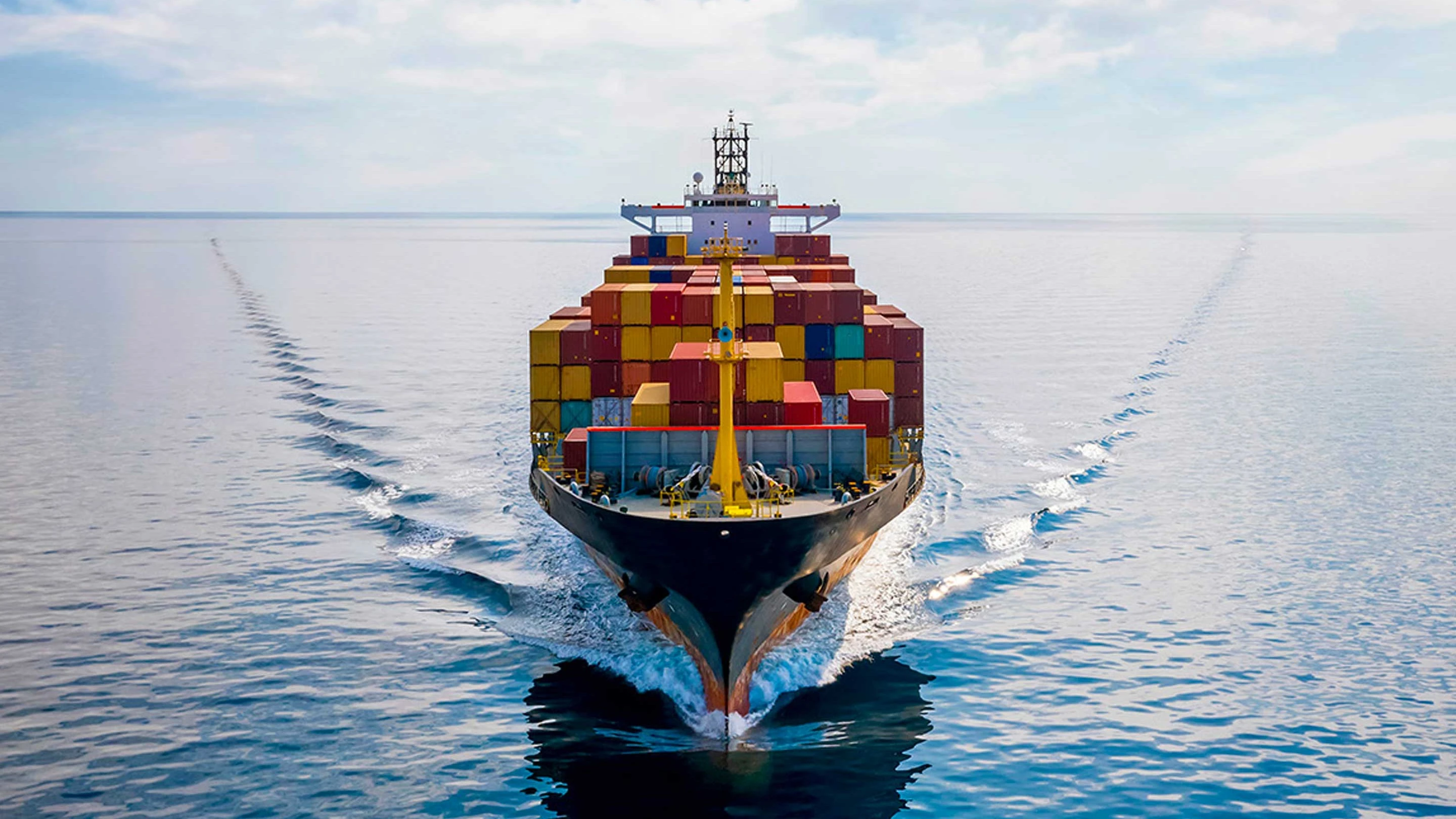
Global shipping is under mounting pressure to cut carbon emissions as international regulators tighten climate targets and major ports adopt stricter environmental standards, industry leaders have said.
The push toward net-zero emissions in maritime transport is being driven by the International Maritime Organization’s (IMO) goal of achieving net-zero greenhouse gas emissions from international shipping by or around 2050. At the same time, port-level regulations are raising compliance requirements for vessels operating in key markets.
In the United States, California’s At Berth Regulation requires vessels calling at its ports to control emissions through shore power or approved alternatives. The Port of Seattle has also mandated that homeported cruise vessels be shore-power capable and use shore power while docked.
Industry executives say these measures are compressing transition timelines, increasing compliance costs and forcing shipping companies to accelerate technological upgrades.
For decades, global shipping has relied heavily on fossil fuels, making it one of the more carbon-intensive sectors as global trade volumes expanded. However, the long lifespan of vessels—often several decades—and the complexity of long-distance routes mean that cutting emissions at scale presents significant technical and financial challenges.
The electric ship market is projected to grow sharply, from an estimated $4.85 billion in 2025 to $18.39 billion by 2032, reflecting increasing regulatory mandates and industry investment. Electric propulsion, alternative fuels and energy storage systems are emerging as central components of the sector’s transformation.
Vice Chairman Dong Kwan (DK) Kim of Hanwha Group said that maritime decarbonisation requires more than simply switching fuels.
“Developing and scaling next-generation technologies that reduce carbon emissions will be essential to meeting maritime decarbonisation targets,” he said, noting that the shift will require fundamental changes in vessel propulsion systems as well as upgrades to existing fleets.
Among the technologies under development are ammonia-fuelled gas turbines designed to generate power without emitting carbon dioxide at the point of use. Such systems aim to provide low- or zero-emission propulsion for deep-sea shipping without compromising range or output.
In parallel, companies are investing in electric propulsion and power automation systems that can be retrofitted onto existing vessels. These systems are intended to reduce fuel consumption and emissions while extending the operational life of current fleets.
Energy storage systems (ESS) are also expected to play a significant role, particularly for hybrid operations. By supplementing conventional propulsion with battery power, ESS can reduce fuel use and emissions without requiring full vessel replacement.
However, deploying large-scale batteries at sea presents safety challenges, including risks of overheating and thermal runaway in confined maritime environments. Industry players are responding with new cooling and safety technologies designed to mitigate these risks and meet international certification standards.
Experts caution that vessel technology alone will not be sufficient to meet decarbonisation targets. Significant investment in port infrastructure will be required to support electrification, including shore-side power supply, charging systems and, in some cases, national grid upgrades.
Most existing port infrastructure was designed around fossil-fuel-based operations, limiting available electrical capacity for large-scale electrification. Limited access to clean energy and charging infrastructure is seen as one of the primary barriers to wider adoption of electric and hybrid vessels.
Industry leaders argue that early infrastructure investment will be critical. Delays, they warn, could increase long-term costs and reduce competitiveness as regulations tighten.
Collaboration between governments and the private sector is also viewed as essential to accelerating progress. While companies are responsible for technological innovation and operational execution, public policy support and incentives can help reduce deployment risks and speed adoption.
“Compliance requirements, market forces and climate realities are converging,” Kim said, adding that coordinated, system-level change across the maritime value chain will be necessary to achieve durable emissions reductions.
Top Headlines
Trending Stories























© 2026 IPPMEDIA.COM. ALL RIGHTS RESERVED