




The era of ‘linear career’ is over, says new report
The traditional “linear career” is rapidly giving way to more flexible and personalised career paths, with a majority of African finance professionals expecting major changes within the next decade, a new global report by ACCA has found.
According to the survey by the Association of Chartered Certified Accountants (ACCA), six out of ten respondents in Africa believe that flexible career paths will replace traditional, step-by-step career progression models by 2035.
A further three out of ten respondents expect the two approaches to coexist equally.
The findings are contained in ACCA’s new report, Career Paths Reimagined, which draws on insights from more than 450 ACCA members, future members and employers across Africa as part of a wider global study.
The report predicts that by 2035 finance professionals works will look very different, with technology, demographic shifts and economic uncertainty reshaping the profession.
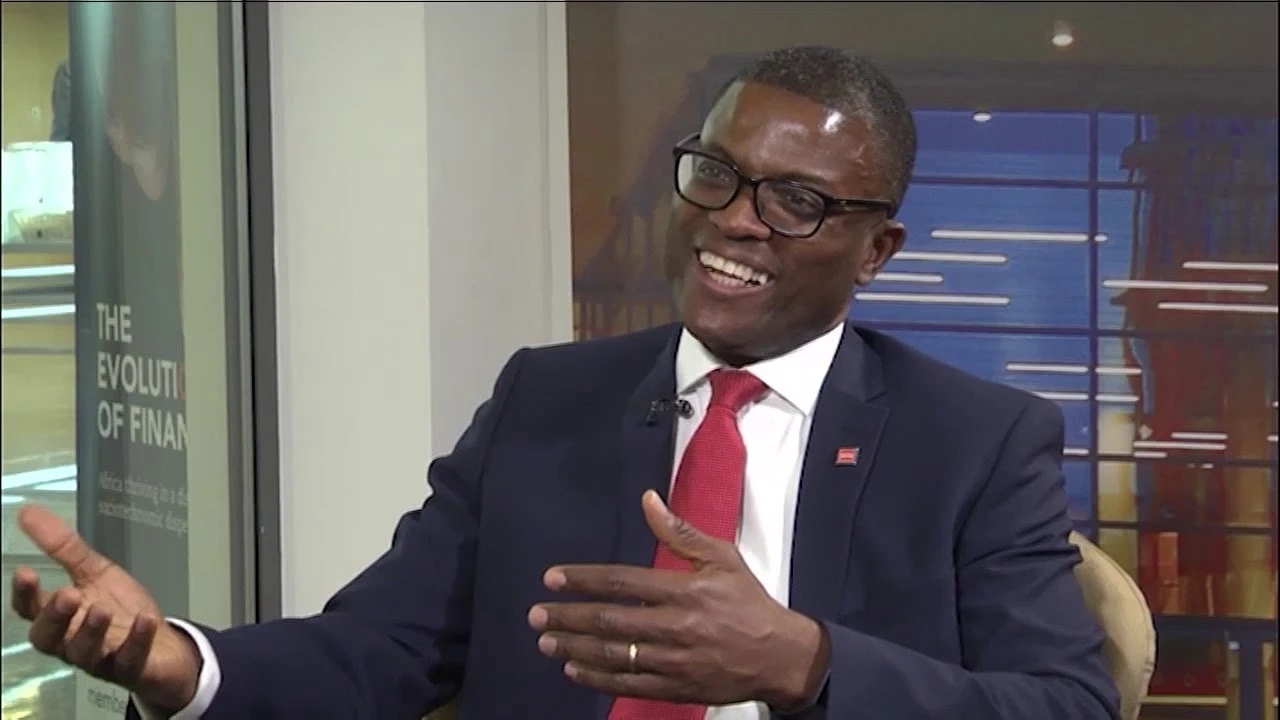
Jamil Ampomah, Director of ACCA Africa, said the findings point to a dynamic and opportunity-rich future for finance professionals on the continent.
“This report paints a positive picture of a dynamic, adaptive and opportunity-rich environment for career development in Africa – shaped by demographic trends, economic realities, and the rapid evolution of technology and professional expectations,” he said.
The survey ranked technology as the most significant driver of change affecting future career paths.
Respondents cited emerging technologies, automation, data analytics and artificial intelligence (AI) as central to transforming how finance professionals work, particularly in augmenting human expertise with machine capabilities.
Geopolitical and economic uncertainty ranked second, reflecting concerns about slower global growth and fragmentation that could challenge personal prosperity and career stability.
Other drivers identified include sustainability pressures linked to climate change, increasing regulatory and compliance requirements, evolving societal expectations about work, and demographic changes leading to longer working lives and multi-generational workplaces.
ACCA Chief Executive Helen Brand said; “Accountancy is being redefined in ways that are reshaping and expanding the role of the profession,” she said. “While traditional career paths are giving way to more flexible, individualised routes that are shaped by skills rather than titles, opportunities to grow and thrive have never been greater for those prepared to embrace change.”
Brand added that finance professionals must take greater ownership of their career development in a future that will offer more flexibility but less predictability.
“To be successful, finance professionals must be willing to let go of outdated expectations and embrace a future which will see the rise of hyper-personalised careers featuring more flexibility but less predictability,” she said. “Taking greater ownership of your career and learning is key – continually developing the right skills is essential to navigating a flexible workplace.”
The report highlights several factors likely to accelerate the shift away from traditional career ladders including advances in technology that are reducing or transforming entry-level roles, while organisations are increasingly flattening structures and replacing middle management positions with more specialised roles.
As a result, career entry points are evolving and being redefined by demand for specific skills and experience.
Demographic changes are also lengthening working lives, increasing the likelihood of career breaks and “micro-retirements” as professionals seek greater work-life balance over extended careers.
Economic pressures are another contributing factor as slower or uneven growth may make sideways moves and skill diversification more important for both career progression and income growth.
At the same time, some professionals are becoming disenchanted with the lifestyle impact of senior executive roles, particularly during periods of economic and geopolitical uncertainty.
The study emphasises that future success in finance will depend on a blend of interpersonal, technical and technological skills, alongside the development of specialist expertise. A curious and flexible mindset is identified as critical.
Clive Webb, Head of Business Management at ACCA and author of the report, said adaptability will define successful careers in the coming decade.
“The report shows that those who appreciate and adapt to the changes will benefit from stimulating and rewarding careers in finance and accountancy,” he said. “Curiosity and agility will be key features of a successful career as careers will be flexible and dynamic.”
Webb also called on employers to rethink traditional talent models to remain competitive.
Top Headlines
Trending Stories





















© 2026 IPPMEDIA.COM. ALL RIGHTS RESERVED