




Tanzania courts investors with AI-driven agricultural reforms
TANZANIA has positioned itself as a regional leader in the use of artificial intelligence (AI) and digital technologies to climate-proof its agriculture sector and boost trade competitiveness, the government has affirmed.
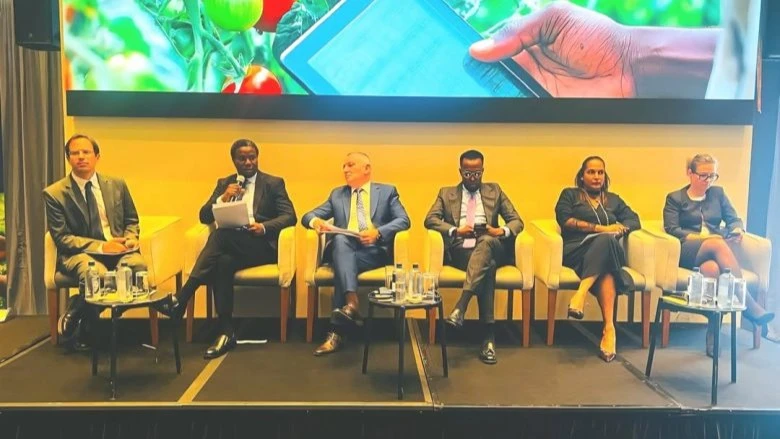
David Silinde, the Agriculture deputy minister, made this affirmation at the private sector engagement summit on sustainable food trade and investment in Africa organised by the Organisation for Economic Co-operation and Development (OECD) here yesterday.
The summit brought together policymakers, investors and development partners to explore how digital innovation can address climate change, water scarcity and food security challenges across Africa, where William Kabogo, the Information, Communication and the Digital Economy cabinet secretary, officiated at the opening session.
The deputy minister highlighted Tanzania’s digital initiatives in agriculture as a strategic response to climate risks and market volatility, with the government prioritising the digital registration of farmers.
It has similarly strengthened the management of agricultural input subsidies and developed integrated agricultural data systems to support efficient planning and investment, with AI tools now being used to forecast crop production trends.
The tools are also used to analyse market demand and generate trade intelligence, enabling evidence-based decision-making by government institutions and private-sector actors, he explained.
The technologies have helped farmers plan production and marketing more accurately, contributing to lower post-harvest losses and improved incomes, he said, noting that integrating AI with weather data has enhanced early warning systems for droughts and floods.
This has improved farmers’ preparedness for climate shocks and strengthened resilience in a sector increasingly affected by unpredictable weather patterns, he elaborated, showcasing Tanzania’s progress in digitising regulatory and licensing systems in agriculture.
Streamlined online approval processes have reduced bureaucratic delays, eased cross-border trade and improved transparency for local and international investors, reforms reflecting Tanzania’s broader strategy to modernise agriculture, he further asserted.
It is designed to attract private capital and build sustainable food systems aligned with regional and global markets, he told the summit, attracting top policymakers from across Africa and beyond.
The included a former Nigerian vice president, agriculture ministers from several African countries and Romania, along with investors from the European Union, where discussions focused on mobilising private investment, scaling digital solutions and strengthening partnerships to accelerate sustainable food trade and investment across the continent, the organisers noted.
Top Headlines
Trending Stories














© 2026 IPPMEDIA.COM. ALL RIGHTS RESERVED