




Why AFCON 2027 in East Africa is bigger than football
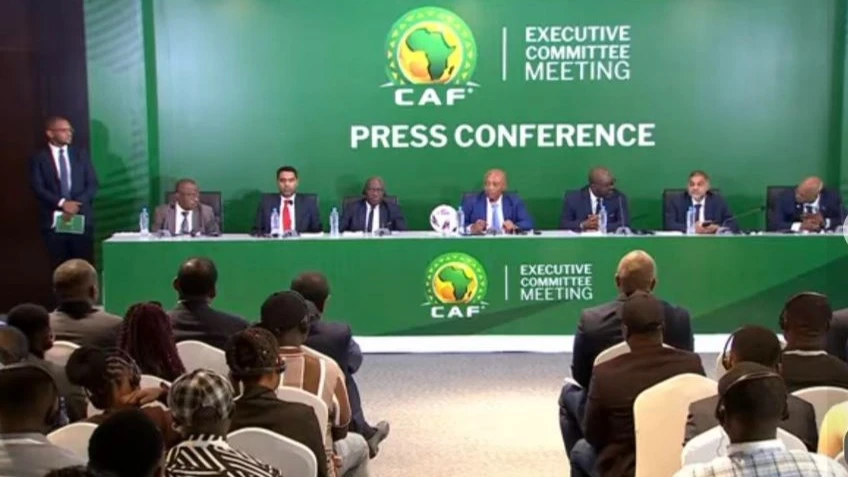
CAF President Dr Patrice Motsepe has done more than silence speculation about a potential postponement of the 2027 Africa Cup of Nations (AFCON). He has drawn a clear ideological line about the future direction of African football governance.
Amid rumours suggesting that the tournament could be delayed to 2028 or relocated due to infrastructure concerns, Motsepe used the CAF Executive Committee (ExCo) meeting in Dar es Salaam to send an unequivocal message: AFCON 2027 will remain in East Africa.
The joint bid by Tanzania, Kenya and Uganda - branded under the unifying slogan “Pamoja” (Together) - is not merely a hosting arrangement. It represents a strategic shift in how African football’s flagship event is distributed across the continent and signals a broader commitment to competitive balance and regional inclusion.
Decentralisation as Policy, Not Rhetoric
For decades, AFCON hosting rights have largely gravitated toward North and West African nations with established infrastructure and proven tournament delivery systems. Morocco’s recent high-standard organisation reinforced expectations that only countries with ready-made world-class facilities should stage the tournament.
Motsepe’s stance challenges that model directly.
His argument is rooted in structural development rather than short-term convenience. In his view, AFCON should not be a reward reserved exclusively for the most prepared nations — it should also function as a catalyst for long-term investment in emerging football regions.
“I cannot concentrate the game only in countries with the best infrastructure,” Motsepe stated, framing the decision as a leadership responsibility rather than a gamble.
By insisting the tournament will proceed in East Africa, Confederation of African Football (CAF) is effectively using AFCON as a development instrument - a mechanism to stimulate stadium upgrades, transport expansion, hospitality growth and broader economic activity. The approach reflects a philosophy that major tournaments can accelerate infrastructure cycles that might otherwise take decades to materialise.
This is not without precedent in global sport. Across continents, hosting mega-events has often triggered public investment in roads, airports, telecommunications and urban regeneration. For East Africa, AFCON 2027 could serve a similar catalytic function.
Infrastructure Pressure and Continental Optics
The stakes, however, are considerable.
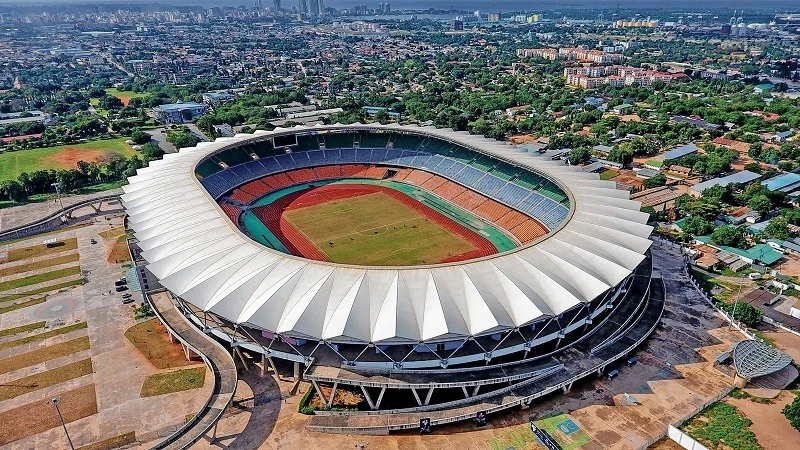
A CAF technical team is currently conducting in-depth inspections across Tanzania, Kenya and Uganda, assessing venues such as the Samia Suluhu Hassan Stadium in Arusha and the Talanta Sports Complex in Nairobi. These evaluations are not ceremonial; they will determine whether construction timelines and compliance benchmarks align with CAF standards for a 24-team tournament.
The pressure is amplified by comparison. Morocco’s recent hosting set a benchmark in stadium quality, logistics, security management and commercial presentation. Delivering a comparable spectacle across three developing football markets will require unprecedented coordination, financial discipline and political alignment.
Unlike single-nation hosts, the East African model introduces cross-border complexities: harmonising visa policies for travelling supporters, aligning security protocols, coordinating transportation corridors and ensuring consistent broadcast standards. The logistical choreography must be seamless, as the tournament’s reputation - and by extension CAF’s credibility - will depend on it.
Tanzania’s government has already committed over 1.76 trillion Tanzanian shillings toward stadium construction and rehabilitation. Similar large-scale investments are underway in Kenya and Uganda. But infrastructure alone does not guarantee tournament success. Operational efficiency, emergency response systems, hospitality training, digital ticketing platforms and fan engagement strategies must all meet continental expectations.
Economic and Political Dimensions
Beyond sport, AFCON 2027 carries economic and geopolitical implications.
Tourism boards in the three host nations view the tournament as a strategic marketing platform capable of showcasing East Africa’s cultural diversity, wildlife heritage and growing urban centres. The inflow of teams, officials, media personnel and supporters is expected to generate significant revenue in accommodation, transport and retail sectors.
Politically, the tri-nation hosting arrangement reflects a spirit of regional integration consistent with East African Community (EAC) cooperation frameworks. Successfully delivering AFCON could reinforce perceptions of East Africa as a cohesive bloc capable of managing complex, high-profile international events.
However, such ambitions demand sustained political will. Large-scale projects often face risks related to procurement delays, budget overruns and shifting administrative priorities. Meeting CAF deadlines will require consistent oversight and transparent implementation.
A Regional First with Symbolic Weight
AFCON 2027 will mark two historic milestones: the first edition jointly hosted by three nations and the first return to the CECAFA region since Ethiopia staged the competition in 1976.
The symbolism is powerful.
For East Africa, this is an opportunity to reposition itself within the continental football hierarchy - not merely as participants, but as organisers of Africa’s most prestigious tournament. The region has long produced passionate supporters and competitive national teams, yet it has rarely occupied centre stage in terms of hosting rights.
For CAF, the decision carries institutional implications. Success would validate Motsepe’s decentralisation philosophy and strengthen arguments for broader geographic rotation. Failure would reinforce critics who argue that AFCON should remain concentrated among traditional heavyweights with established infrastructure ecosystems.
From ‘Will They Host?’ to ‘How Will They Deliver?’
Motsepe’s public backing shifts the narrative decisively. The debate is no longer about whether Tanzania, Kenya and Uganda will host AFCON 2027. That question has been settled at the highest administrative level.
The focus now turns to execution.
Over the next 24 months, the three nations must translate political assurances into visible, measurable progress. Construction deadlines must be met. Facilities must undergo certification. Operational frameworks must be tested through trial events. Stakeholder coordination - from local organising committees to security agencies - must function with precision.
Motsepe has effectively placed a long-term developmental bet on East Africa. If successful, AFCON 2027 could redefine the tournament’s geographic rotation model and accelerate infrastructure growth across the region, leaving a legacy that extends far beyond football.
If not, it will reignite debate over whether ambition should ever outrun readiness in continental sport governance.
For now, CAF’s position is firm. The “Pamoja” vision remains intact - and as preparations intensify across stadium sites and government ministries alike, the clock toward 2027 continues to tick.
Top Headlines
Trending Stories













© 2026 IPPMEDIA.COM. ALL RIGHTS RESERVED