




Healthier future: Why sustainability, tree planting matter for national development
A greener environment is more than a pleasant landscape filled with trees and shrubs. It is an ecological state grounded in sustainability, pollution reduction, and the careful preservation of natural resources to guarantee a high quality of life for present and future generations.
At its core, a green environment reflects responsible human behavior—conserving water, reducing waste, protecting biodiversity, and mitigating the effects of climate change.
In simple terms, a green environment is one where vegetation flourishes and eco-friendly practices guide daily life. However, its meaning extends far beyond appearance. It embodies a commitment to protecting ecosystems, ensuring clean air and water, stabilizing the climate, and creating resilient communities.
Taking deliberate steps toward environmental sustainability contributes to healthier societies because vegetation—especially trees—plays a critical role in producing oxygen, preserving water sources, preventing desertification, and moderating extreme temperatures.
It is widely recognized that green environments are highly beneficial to human health. They offer psychological, physical, and environmental advantages that counterbalance the pressures of modern urban life. As cities expand and populations grow, exposure to pollution, noise, congestion, and artificial surroundings increases. Green spaces provide a necessary refuge from these stressors.
The presence of vegetation creates opportunities for recreational gardens, parks, and forests that beautify landscapes and enhance mental well-being. Studies consistently show that natural settings lower stress hormone levels such as cortisol, promoting relaxation and reducing anxiety and depression.
Regular exposure to green spaces improves mood, boosts self-confidence, and decreases anger, frustration, and loneliness. In addition, nature helps the brain recover from mental fatigue caused by overstimulation in urban environments.
Physical health also benefits significantly from greener surroundings. Open spaces encourage walking, running, cycling, and outdoor play, promoting active lifestyles and reducing obesity rates.
Clean air generated by trees supports respiratory health, while shade reduces the risks associated with excessive heat exposure. Forest environments release phytoncides—natural airborne compounds from plants—that can strengthen the immune system when inhaled.
Human health ultimately depends on a clean and stable environment. Access to clean air, safe water, sanitation, and hygiene is essential. Protection from harmful radiation, unsafe chemical exposure, and hazardous working conditions is equally important. A green environment supports all these needs by filtering pollutants, regulating climate, and preserving natural resources.
Beyond individual well-being, green spaces strengthen social bonds. Parks and community gardens provide gathering places where neighbors interact, fostering trust and cooperation. Stronger social ties contribute to safer, more resilient communities. When neighborhoods are lined with trees and covered with greenery, they tend to experience improved social cohesion and a greater sense of shared responsibility.
Trees are central to this environmental and social transformation. They purify air by absorbing carbon dioxide—a major greenhouse gas—and releasing oxygen through photosynthesis. In doing so, they act as the “lungs of the Earth.” Trees also filter harmful pollutants such as dust, sulfur dioxide, and nitrogen dioxide, improving air quality for humans and wildlife alike.
In terms of climate regulation, trees play a powerful role. By blocking and absorbing sunlight, they cool surrounding areas and moderate temperature extremes. Urban areas with abundant tree cover are noticeably cooler than those dominated by concrete and asphalt. Trees conserve water by enhancing soil structure, reducing runoff, and replenishing groundwater supplies. Their roots bind soil together, preventing erosion and reducing the risk of floods caused by wind and heavy rains.
Furthermore, trees provide habitats and food sources for wildlife, thereby supporting biodiversity. They offer timber, shade, rainfall regulation, and numerous ecosystem services that sustain life on Earth. By storing carbon, they help mitigate climate change and enhance the planet’s capacity to adapt to environmental shifts.
Recognizing these benefits, environmental advocates consistently encourage communities to preserve open spaces and plant more trees. Afforestation and reforestation initiatives are practical responses to advancing climate science and growing meteorological evidence about global warming. Experts in climate and weather services emphasize that environmental stewardship is no longer optional; it is essential.
In Tanzania, as in many countries, national institutions play a key role in safeguarding the environment. The Tanzania Meteorological Authority (TMA) stands as a center of excellence in providing world-class meteorological and climate services.
Through weather forecasts, advisories, and early warning systems, TMA informs the government and the public about potential natural hazards and climate-related risks.
The agency’s mission is to deliver reliable and cost-effective services that protect life and property, support environmental conservation, and contribute to poverty eradication. By issuing timely warnings about floods, droughts, storms, and other climate threats, TMA enables communities to prepare and respond effectively.
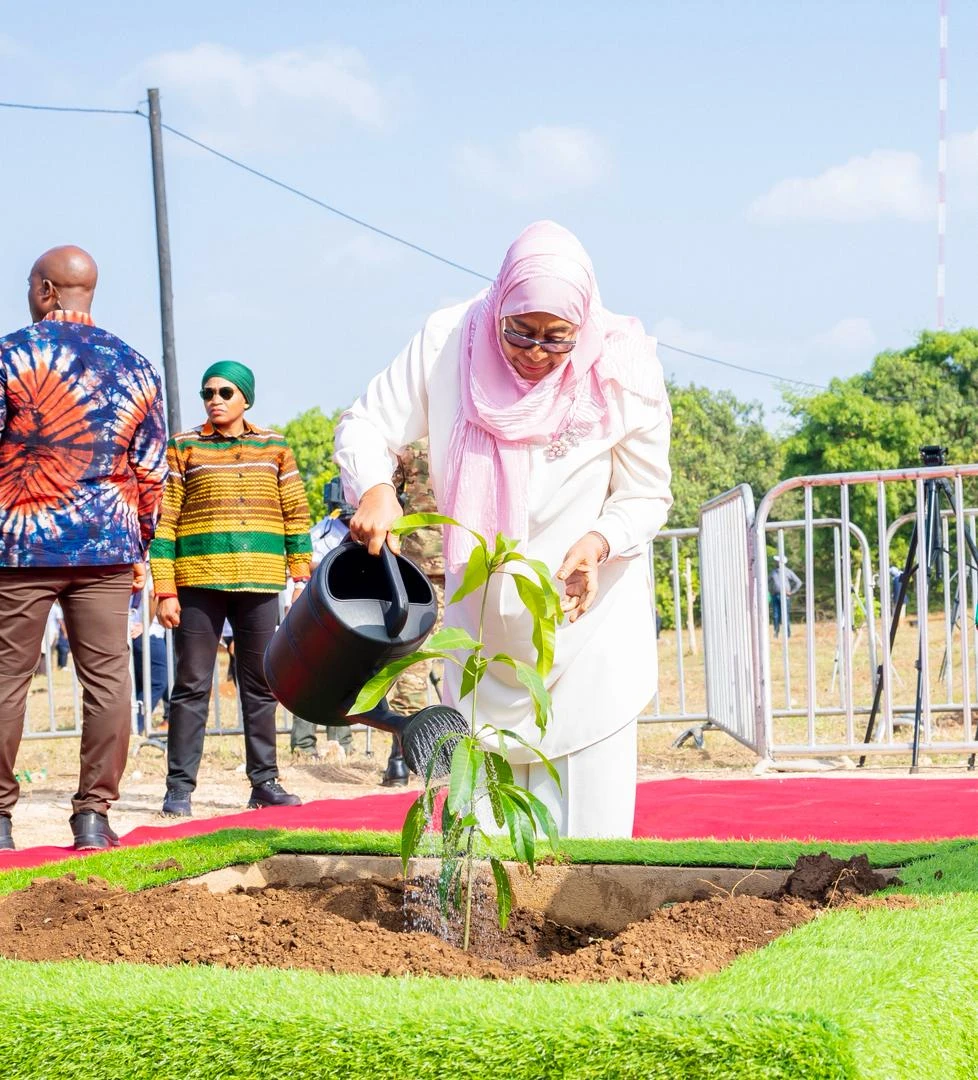
Environmental sustainability also requires strong political will. Recently, environmental stakeholders commended the Sixth Phase Government under President Dr. Samia Suluhu Hassan for dedicating her birthday to tree planting. This symbolic act underscored a national commitment to climate action, carbon emission reduction, and environmental restoration.
On her 66th birthday, President Samia led a special tree-planting exercise at Bungi Village in the Central District of South Unguja, Zanzibar. The event was not merely ceremonial; it represented practical leadership in environmental conservation.
As a result, January 27 has been designated “Green Day,” a national occasion to celebrate the President’s birthday through environmental action under the theme: “Patriotism Means Protecting the Environment—Join Tree Planting.”
During the event, the Head of State directed land surveyors and urban planners across the country to integrate green spaces and tree-planting areas into residential and land-use plans. This instruction reflects a forward-looking approach to urban development, ensuring that future settlements are environmentally resilient and climate-responsive.
Integrated greenery in planning empowers citizens to plant and protect trees around homes, workplaces, and public spaces. It demonstrates that environmental protection is a shared responsibility between government and communities. Such initiatives align with global climate priorities, particularly at a time when the devastating impacts of climate change—rising temperatures, extreme weather events, and food insecurity—are increasingly evident.
The annual tree-planting tradition symbolizes environmental stewardship linked to economic development. Healthy ecosystems support agriculture, food security, public health, and even emerging opportunities such as carbon trading, which can generate revenue for national development. Environmental protection and poverty reduction are therefore interconnected goals.
President Samia’s environmental agenda extends beyond tree planting. It includes championing clean cooking energy to reduce deforestation and indoor air pollution, as well as advocating universal access to electricity to minimize reliance on environmentally harmful fuels. These efforts demonstrate that sustainable development is central to achieving national development targets.
A greener environment is not simply about aesthetics; it is about survival, resilience, and prosperity. By investing in trees, sustainable planning, and environmental education, nations can secure healthier futures for their citizens. The path to development must be green—guided by science, strengthened by policy, and sustained by collective action.
Top Headlines
Trending Stories



















© 2026 IPPMEDIA.COM. ALL RIGHTS RESERVED