




EFTA Financing Productivity Through Capital Markets
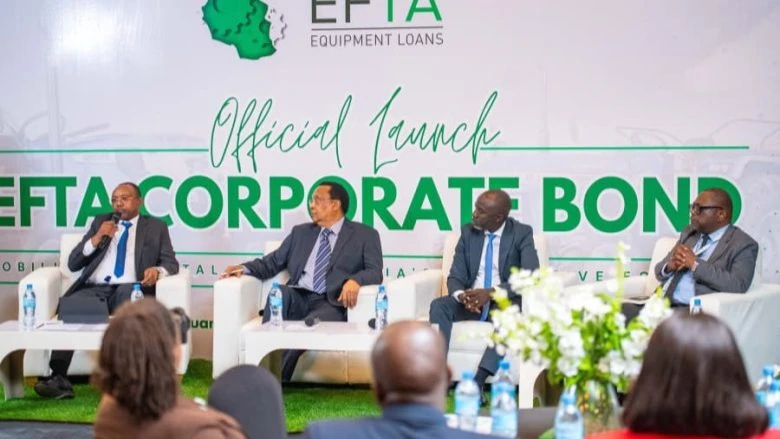
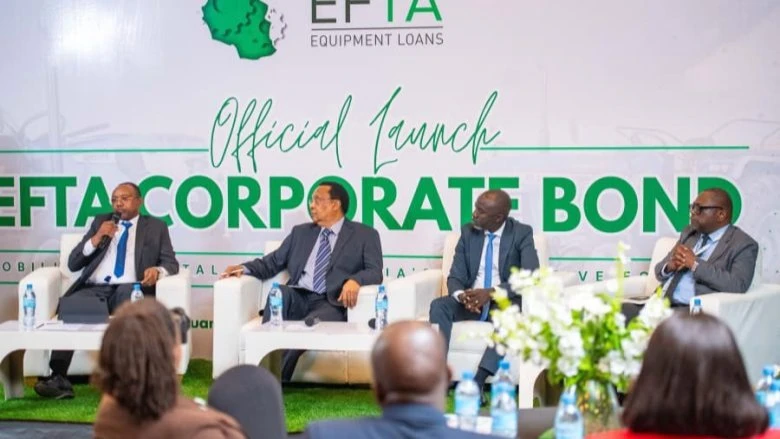
As Tanzania’s capital markets continue to evolve, non-bank financial institutions are increasingly turning to structured debt instruments to mobilise long-term funding. Among them is Equity for Tanzania Limited (EFTA), a leasing-focused financial institution that provides asset-based financing to farmers, transporters and small and medium-sized enterprises.
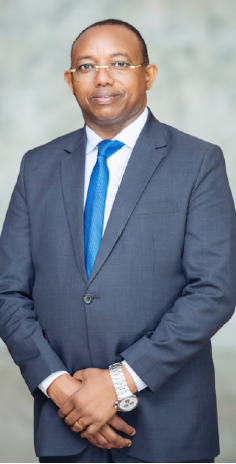
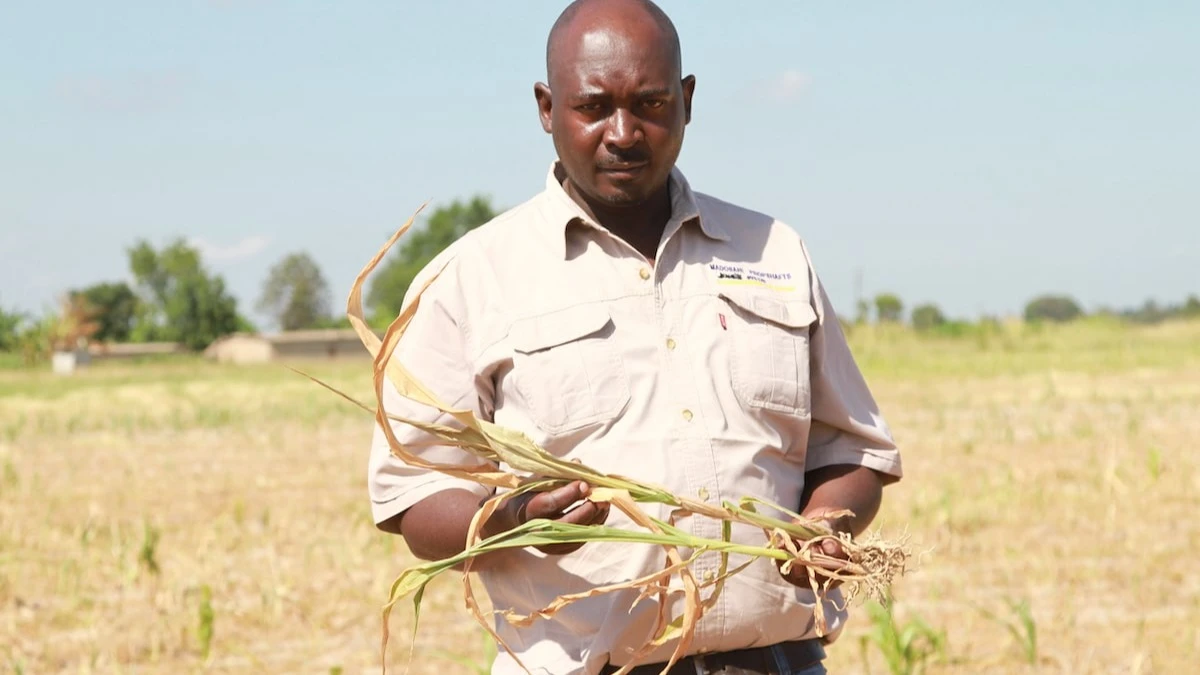
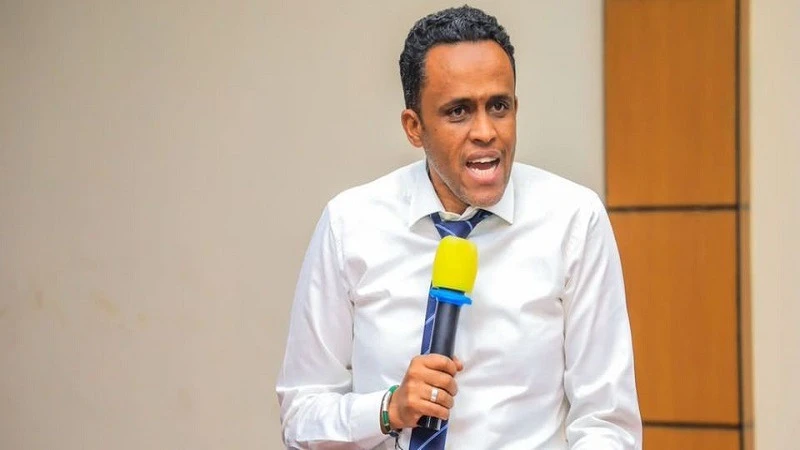
At the helm of the institution is Nicomed Bohay, Managing Director of EFTA (pictured), who has been leading the company’s efforts to align long-term capital with productive investment. Following the launch of EFTA’s TZS 50 billion Medium-Term Note (MTN) Programme, Bohay speaks about the motivation behind the move, what it means for investors, and how it supports Tanzania’s real economy.
Reporter: Mr. Bohay, Equity for Tanzania Limited has recently established a Medium-Term Note Programme. What motivated this move?
Nicomed Bohay:
The decision was driven by a clear strategic need for long-term, well-structured funding that aligns with the nature of our business. At EFTA, we finance productive-use assets such as agricultural equipment, commercial vehicles, and machinery. These assets generate income over several years, so it is important that our funding sources are equally long-term and stable. Accessing Tanzania’s domestic capital markets through a Medium-Term Note Programme allows us to better match our funding profile with the assets we finance, while operating within a transparent and regulated framework.
Reporter: For readers who may not be familiar, what exactly is a Medium-Term Note Programme?
Nicomed Bohay:
A Medium-Term Note Programme is a framework that allows an issuer to raise capital through multiple debt issuances over time, rather than through a single transaction. Each issuance, or tranche, is governed by a Pricing Supplement that sets out the specific terms. This structure provides flexibility while maintaining clarity and disclosure for investors. Importantly, all issuances are subject to regulatory oversight and the terms outlined in the approved Information Memorandum.
Reporter: How large is the Programme, and how will it be implemented?
Nicomed Bohay:
The Programme has an approved size of up to TZS 50 billion (about USD 20 million) and is structured to be issued over a period of up to three years. Issuances will be done in tranches, depending on market conditions and our funding requirements at the time. This phased approach allows us to be disciplined and responsive, rather than raising capital in excess of immediate needs.
Reporter: How does this Programme support EFTA’s core business activities?
Nicomed Bohay:
Proceeds from the Programme are intended to support several key areas of our business. These include expanding our leasing portfolio, strengthening our capital structure, extending our market reach, and investing in green and digital innovations. All these areas are directly linked to our mission of financing productive assets that enable businesses to generate income and grow sustainably.
Reporter: The Notes are described as “senior secured.” What does this mean in practice?
Nicomed Bohay:
In simple terms, it means that the Notes rank as senior obligations of the Company and are supported by defined security arrangements, as detailed in the Programme documentation. There is also trustee oversight in place. These features are part of a broader governance framework designed to provide clarity and structure, which is particularly important in capital markets transactions.
Reporter: EFTA works closely with MSMEs and farmers. How does capital markets funding translate into impact at that level?
Nicomed Bohay:
Capital markets funding often feels abstract, but its impact is very tangible when deployed into the real economy. In our case, funding raised is used to finance assets that are immediately productive—tractors in the field, equipment in workshops and/or factories, or vehicles supporting trade and logistics. This helps businesses increase output, improve efficiency, and create employment. The link between funding and productivity is central to our model.

Reporter: What role do governance and regulation play in this Programme?
Nicomed Bohay:
They are fundamental. The Programme has been approved by the Capital Markets and Securities Authority and structured under the rules of the Dar es Salaam Stock Exchange. We work with professional advisers, regulated intermediaries, and an appointed trustee. In addition, our financial information is prepared in accordance with International Financial Reporting Standards. All of this contributes to transparency, accountability, and confidence in the Programme.
Reporter: How does this initiative fit into the broader development of Tanzania’s capital markets?
Nicomed Bohay:
We see it as part of a broader trend toward deeper and more diversified participation in domestic capital markets. When non-bank financial institutions access capital markets responsibly, it helps broaden the range of instruments available to investors and channels funding into productive sectors of the economy. Over time, this contributes to market depth, resilience, and financial inclusion.
Reporter: Sustainability and green finance are receiving increasing attention. How is EFTA responding to this?
Nicomed Bohay:
Sustainability is becoming an integral part of financing decisions. As part of our strategy, we are increasingly focusing on assets that enhance efficiency and resilience, including energy-efficient and climate-resilient equipment. The Medium-Term Note Programme supports this direction by providing long-term funding that can be aligned with sustainable investment priorities.
Reporter: What message would you like to leave with potential investors and stakeholders?
Nicomed Bohay:
My message would be that this Programme reflects EFTA’s long-term commitment to transparency, disciplined growth, and productive finance. We encourage prospective investors to engage with the Information Memorandum, understand the structure of the Programme, and seek independent professional advice. For us, the objective is to ensure that capital raised through the markets is deployed responsibly and contributes meaningfully to Tanzania’s economic development.
Reporter: Thank you for your time.
Nicomed Bohay:
Thank you.
Reporter: In closing, the journey being charted by Equity for Tanzania Limited demonstrates how disciplined access to domestic capital can be transformed into tangible economic value. By operating within the regulatory stewardship of the Capital Markets and Securities Authority and leveraging platforms such as the Dar es Salaam Stock Exchange, the institution is helping translate investor confidence into tractors on farms, trucks on highways, and machinery in workshops across Tanzania. As the country’s financial ecosystem matures, initiatives like this signal a broader shift — where capital markets are not only centres of financial activity, but engines of productivity, inclusion, and long-term national growth.
Top Headlines
Trending Stories






© 2026 IPPMEDIA.COM. ALL RIGHTS RESERVED