




Samia: Climate change puts economic activities in peril
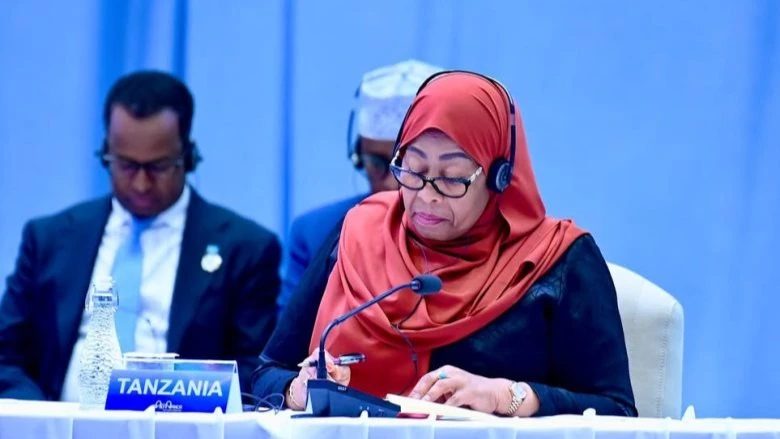
PRESIDENT Samia Suluhu Hassan has expressed the fear that climate change is exerting mounting pressure on key economic sectors, including agriculture, fisheries, livestock, forestry, tourism and mining, threatening livelihoods and slowing development across Africa.
She issued this alert at the 2026 meeting of the Committee of African Heads of State and Government on Climate Change (CAHOSCC), held on the margins of the 39th ordinary session of the Assembly of Heads of State and Government of the African Union here at the weekend.
The worsening climate crisis is first an environmental concern and also an economic emergency that is eroding production systems, increasing food insecurity, weakening water resources and deepening social vulnerability across the continent, she stated.
Extreme weather patterns — including prolonged droughts, floods and rising temperatures — are undermining agricultural output, straining fisheries, affecting livestock health and disrupting tourism and mining activities that generate critical foreign exchange earnings, she stated.
Urging enhanced global cooperation, she stressed that African countries require predictable and accessible climate finance, fair financing terms and meaningful technology transfer to strengthen adaptation and mitigation efforts.
“Timely and reliable weather information saves lives, protects livelihoods and reduces disaster-related losses,” she said, underlining that many African nations still face financial and technical constraints in developing early warning systems and resilient infrastructure.
Climate change poses serious threats to Africa’s economic and social development, so African leaders need to maintain a united voice in global climate negotiations for equity in financing, capacity building and access to clean technologies have to remain central in international agreements, she stated.
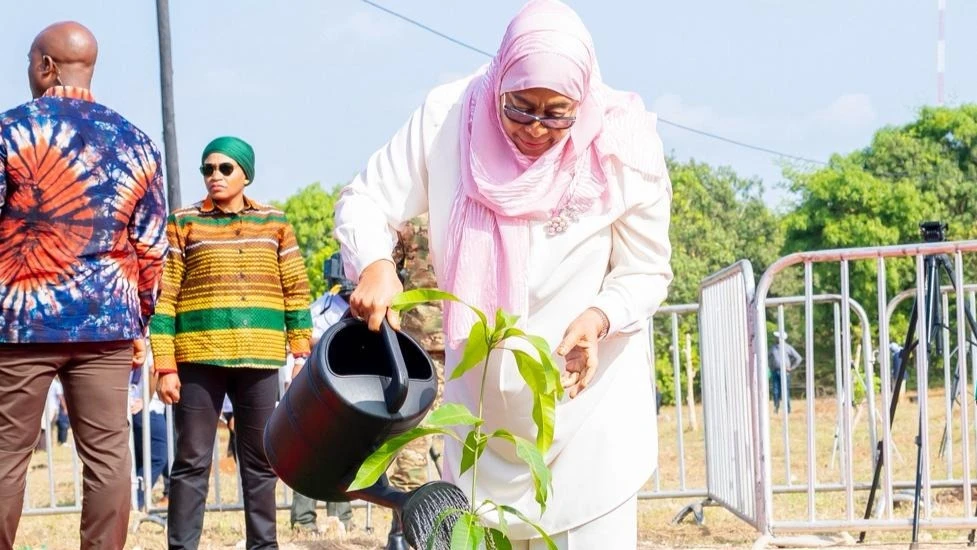
Reaffirming Tanzania’s commitment to climate action, she pointed at efforts to expand renewable energy generation, including solar, wind, geothermal, and hydropower projects, alongside promoting clean cooking solutions to reduce deforestation and carbon emissions.
Sustainable energy transition policies are critical for strengthening economic stability, improving energy security and creating jobs, she said at the convention which preceded the formal summit, under an overall theme of assuring sustainable water availability and safe sanitation systems to achieve the goals of Agenda 2063 of the AU.
The assembly placed water security and sanitation at the centre of Africa’s long-term development agenda, recognising their direct link to public health, food security and economic growth, observers noted.
On the sidelines of the summit, President Samia also participated in high-level discussions aimed at strengthening cooperation in infrastructure development, energy transition and regional stability, officials noted.
Top Headlines
Trending Stories







© 2026 IPPMEDIA.COM. ALL RIGHTS RESERVED