




VPO praises municipal waste recycling project
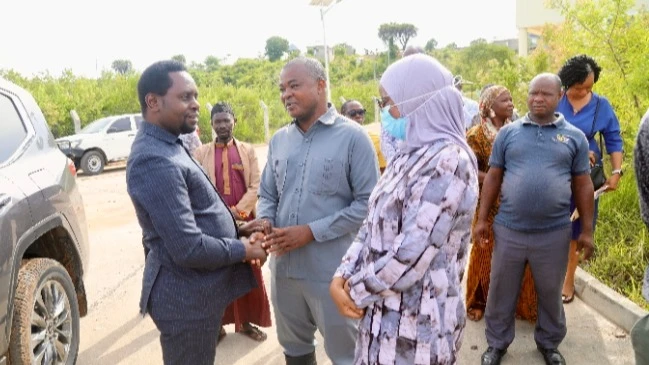
AS nearly 60 per cent of the waste generated in Dar es Salaam is biodegradable, more investments are needed for the waste to be recycled and converted into compost to cut pollution in the city, the government has stated.
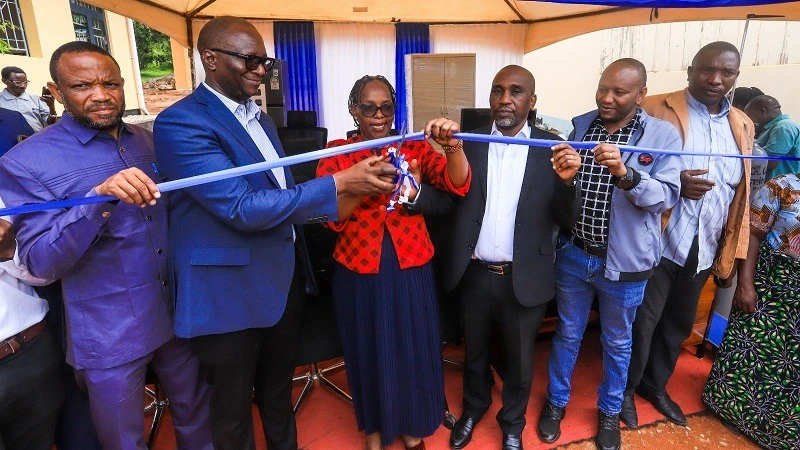
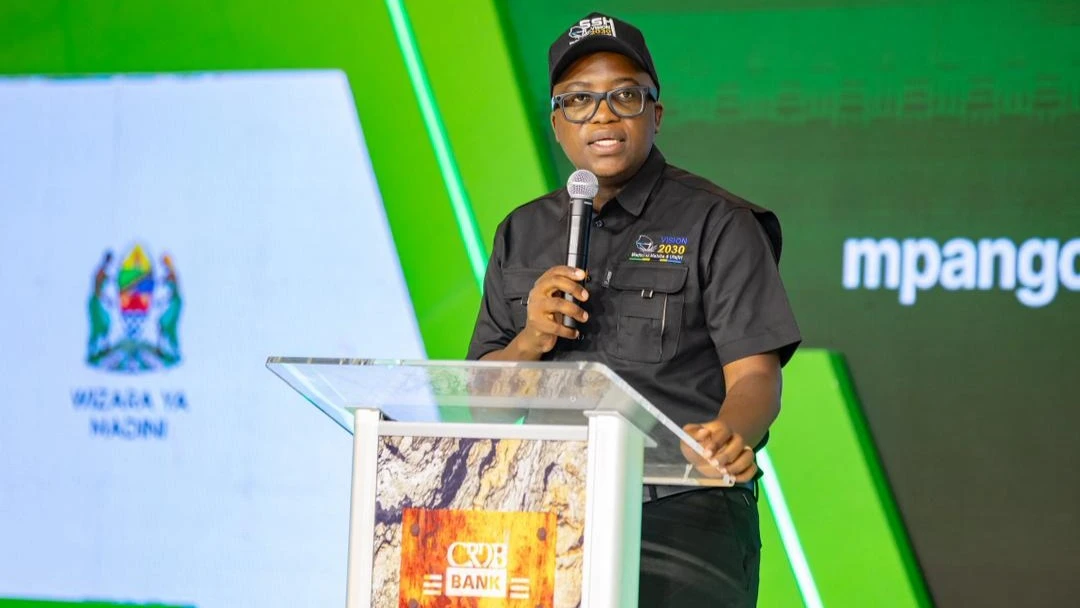
Festo Dugange, the Union and Environment deputy minister in the Vice President’s Office (VPO) made this observation during an inspection tour of waste management operations at the Mabwepande composting plant in Kinondoni municipality in Dar es Salaam yesterday.
The recycling initiative is better than leaving the waste to decompose in dumpsites where it contributes to pollution and greenhouse gas emissions, he said, underlining that the new factory is vital for Dar es Salaam and the entire country.
“I urge the district commissioner, the Kinondoni municipal director and the management team to develop a clear strategy to encourage citizens to see waste as an opportunity and bring it here,” he said.
The Mabwepande project, managed by the municipal authorities, is funded by the German historic city of Hamburg, providing €2,506,277 (6.34bn/-) for building and equipping the waste recycling facility.
He said that the funding reflects growing international cooperation in promoting sustainable urban waste management solutions, where citizens and private firms need to make greater use of designated landfills and waste collection systems.
Waste should be viewed less as a burden and more of a valuable resource in generating raw materials and supporting environmental conservation, as the facility processes biodegradable waste into organic fertiliser, contributing to cleaner surroundings and sustainable agricultural production, he stated.
District authorities need to work closely with relevant stakeholders to design community-based initiatives that will enhance wider participation in separating, collecting and delivering organic waste to recycling facilities, he said.
Success will depend largely on awareness campaigns, stakeholder engagement and improved collection systems at household and market levels, he said, airing the need for the National Environment Management Council (NEMC) to strictly enforce laws aimed at controlling plastic waste.
Despite the national ban on plastic carrier bags, plastic materials were accumulating in landfills, posing risks to ecosystems and public health, he stated, affirming that the project enables the government to register landfills for carbon trading, similar to forests, creating economic incentives while protecting the environment.
Improved waste management can open new revenue streams through climate-related financing mechanisms, he said, also visiting the Pugu Kinyamwezi landfill, where he reemphasized the need to integrate waste recycling initiatives into broader city planning and environmental management frameworks.
Modernising waste handling systems is essential for a rapidly growing city like Dar es Salaam, he stated, reiterating VPO readiness to providing technical guidance and policy support to ensure composting plants operate efficiently, maximising environmental and socio-economic impacts.
Jimson Mkenda, the plant manager, pointed at the facility’s dual role of reducing pollution and converting biodegradable waste into high-quality fertiliser. This would support farmers and boost agricultural productivity nationwide, he added.
Top Headlines
Trending Stories





© 2026 IPPMEDIA.COM. ALL RIGHTS RESERVED