




Ministry launches new paediatric treatment project for schistosomiasis
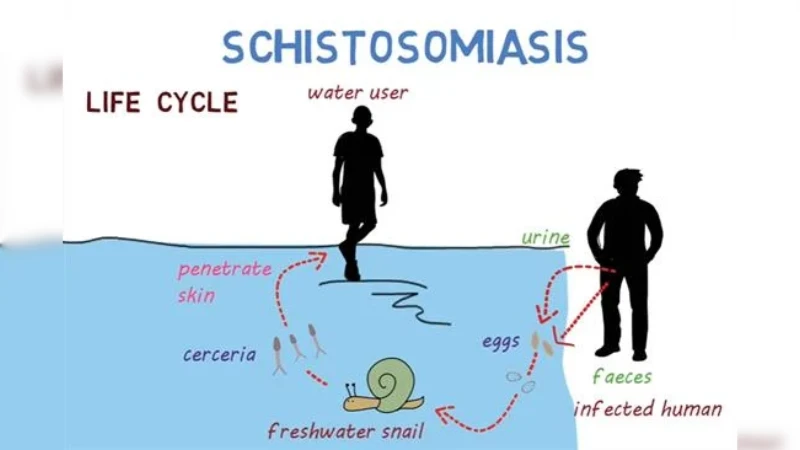
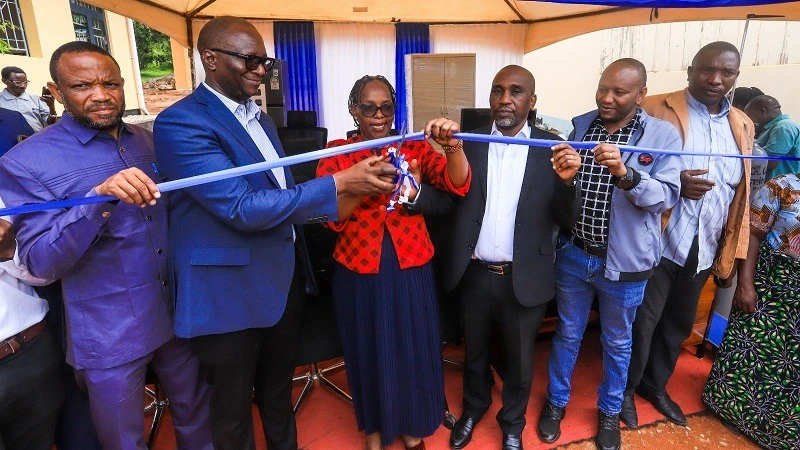
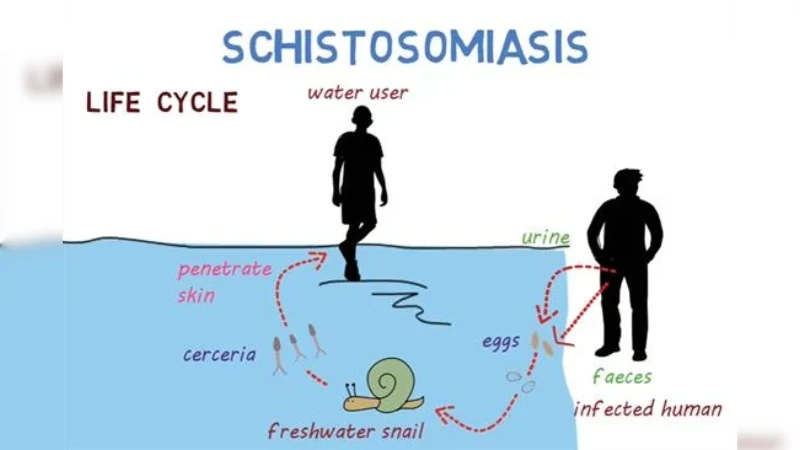
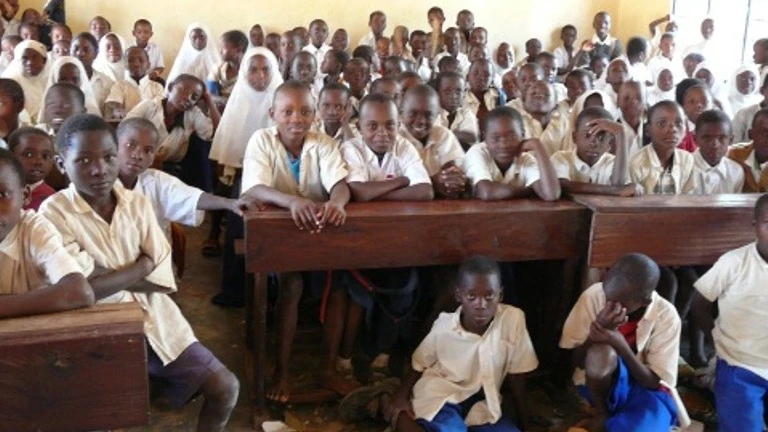
THE Ministry of Health, through the National Institute for Medical Research (NIMR) has launched the delivery of arprasiquantel (arPZQ), a new paediatric treatment project for schistosomiasis - a tropical disease commonly known as bilharzia, targeting healthcare for children under the age of five.
In partnership with UNDP, WHO, Japan, and GHIT Fund, the 18-month pilot project will be implemented in some selected district councils of Mwanza, Simiyu and Kigoma regions.
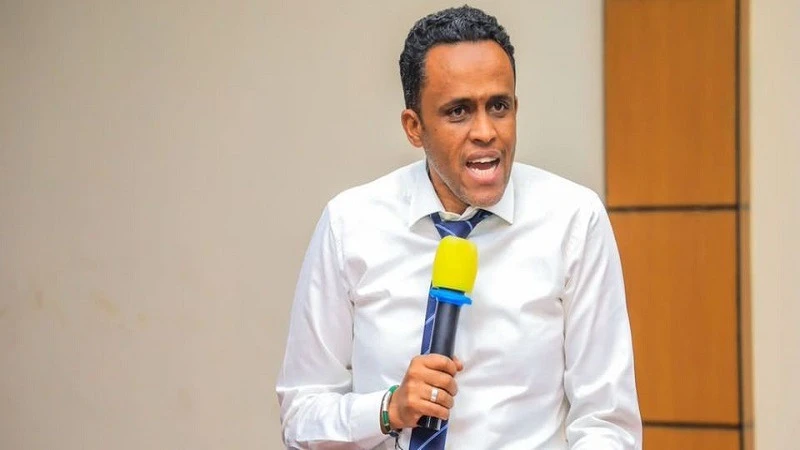
Dr Seif Shekalaghe, Permanent Secretary in the Health Ministry at the launch of the project held in Mwanza city at the weekend, said that the targeted district councils are Sengerema, Itilima and Kigoma-Ujiji Municipal.
According to him, the project will evaluate the feasibility of different delivery models and integrating arPZQ into existing healthcare structures, with findings informing broader national and regional strategies aimed at eliminating schistosomiasis.
“The project targets to reach more than 25,000 preschool-aged children in the selected districts. The project comes after last year Tanzania became the first country in the world to grant regulatory approval for arPZQ, paving the way for its rollout,” said Dr Shekalaghe.
The pilot initiative is being implemented in Tanzania with the direct support of the Japanese Access and Delivery (ADP) to the National Institute for Medical Research (NIMR)’s Strengthening Capacity for Delivery and Uptake of Paediatric Praziquantel Formulation for Schistosomiasis (STEPPS) project.
He asserted that since 2018, ADP’s support has included baseline disease mapping, promoting community engagement, collaborating on national consultations, strengthening the necessary regulatory and policy approvals, and conducting a cost-benefit analysis study.
“Findings show that an estimated 3 million preschool-aged children are at risk of schistosomiasis in Tanzania,” said Dr Shekalaghe.
Mohammed Nyati, Coordinator for Schistosomiasis in the Ministry of Health said that the disease affects millions of children under five globally and remains highly endemic in Tanzania, particularly in Lake Victoria regions.
He said the introduction of arPZQ, the first paediatric formulation designed specifically for children under five, addresses a long-standing treatment gap and positions Tanzania as a global leader in rolling out this life-saving innovation.
“This project signals Tanzania’s commitment to eliminating neglected tropical diseases and strengthening child health systems through science, innovation and strategic partnerships,” said Nyati.
He said that for many years now, the Ministry of Health has been facing challenges in conducting tests and obtaining medicines to treat the disease, especially for children under five years old.
“The previously supplied medicines for schistosomiasis were a bit of a challenge in treating it, but through this project we are going to get medicines that do not pose the minor side effects that were causing children to lose strength, stomach pain and vomit after being given the previous medicines,” asserted Nyati.
Top Headlines
Trending Stories











© 2026 IPPMEDIA.COM. ALL RIGHTS RESERVED