




Z’bar launches 13 multi-storey smart schools in 99bn/- project
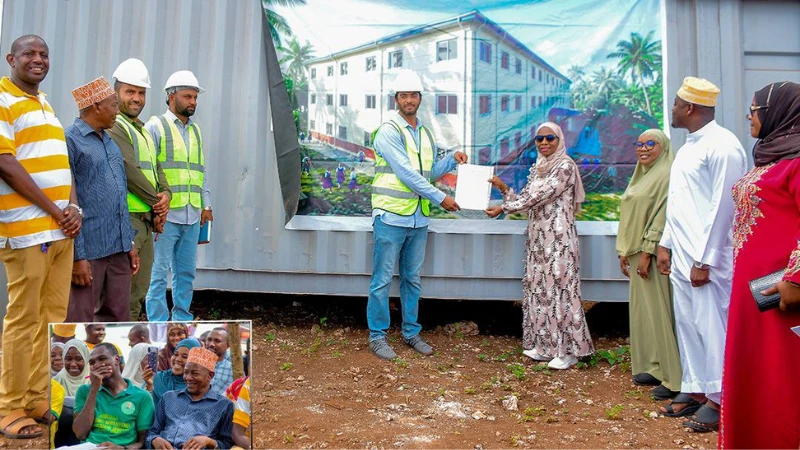
ZANZIBAR has begun constructing 13 modern multi-storey schools across Unguja and Pemba islands in a 99.18bn/- programme aimed at ending the long-standing double-shift system and transforming learning conditions for thousands of pupils.
Lela Muhamed Mussa, the Education and Vocational Training minister for Zanzibar, said at the weekend that the project marks one of the most ambitious infrastructure upgrades in Zanzibar’s education sector in recent years.
In remarks at handover ceremonies and site inspections in the past few days, she said that this initiative takes up directives from President Hussein Ali Mwinyi to ensure that all pupils attend school in a single morning session instead of the split morning and afternoon shifts.
Six of the 13 schools are being built by ROK Construction Co., echoing a UK firm of that specialization, in Fuoni Kibondeni, Jumbi, Chunga, Minungwini, Mchangamdogo and Micheweni.
Seven other schools being rebuilt form part of the ZIQUE project financed by the World Bank, in Jang’ombe, Mikunguni, Mtoni Kidatu, Kianga, Kengeja, Wesha and Mitiulaya, she said.
“This change will bring a major transformation in the education sector by reducing classroom congestion, increasing instructional time and elevating learning capacities,” she said.
“For a long time, overcrowding and limited classrooms have compelled schools to operate in shifts. These new multi-storey schools will eliminate that challenge and guarantee every child their right to quality education in a safe and conducive environment.”
Many existing schools were built decades ago and no longer meet demand due to rising enrolment. Some have already been demolished to pave the way for modern high-rise facilities.
Each new school will have an average of 30 classrooms, science laboratories, computer rooms, adequate sanitation facilities and staff offices — a significant upgrade from the ageing infrastructure currently in use.
Khamis Abdallah Said, the principal secretary, said the rollout reflects the pace of reforms under President Mwinyi’s leadership, particularly within the first 100 days of his second term.
The schools are expected to be completed by late next year.
Teachers say the shift could dramatically improve learning outcomes, with Abdallah Kheri Hassan, head teacher at Jang’ombe School, said educators have long struggled with classrooms exceeding 60 pupils, limiting individual attention.
“With modern classrooms and smaller class sizes, we will have the opportunity to monitor each pupil closely and support those facing learning challenges,” he said.
Ali Hamad, a pupil at Mtoni School, said learners are eager to begin studying in buildings equipped with laboratories and computer rooms, as improved facilities will motivate them to work harder.
Contractors have pledged to finish the works on schedule and to the required quality standards, working closely with the relevant authorities.
The project represents more than new buildings — it is a structural shift designed to improve instructional time, enhance teaching efficiency and better prepare young people for national development, the ministerial executive intoned.
Top Headlines
Trending Stories















© 2026 IPPMEDIA.COM. ALL RIGHTS RESERVED