




From the plains of Serengeti to Seoul: How Tanzania’s way of life is inspiring Koreans
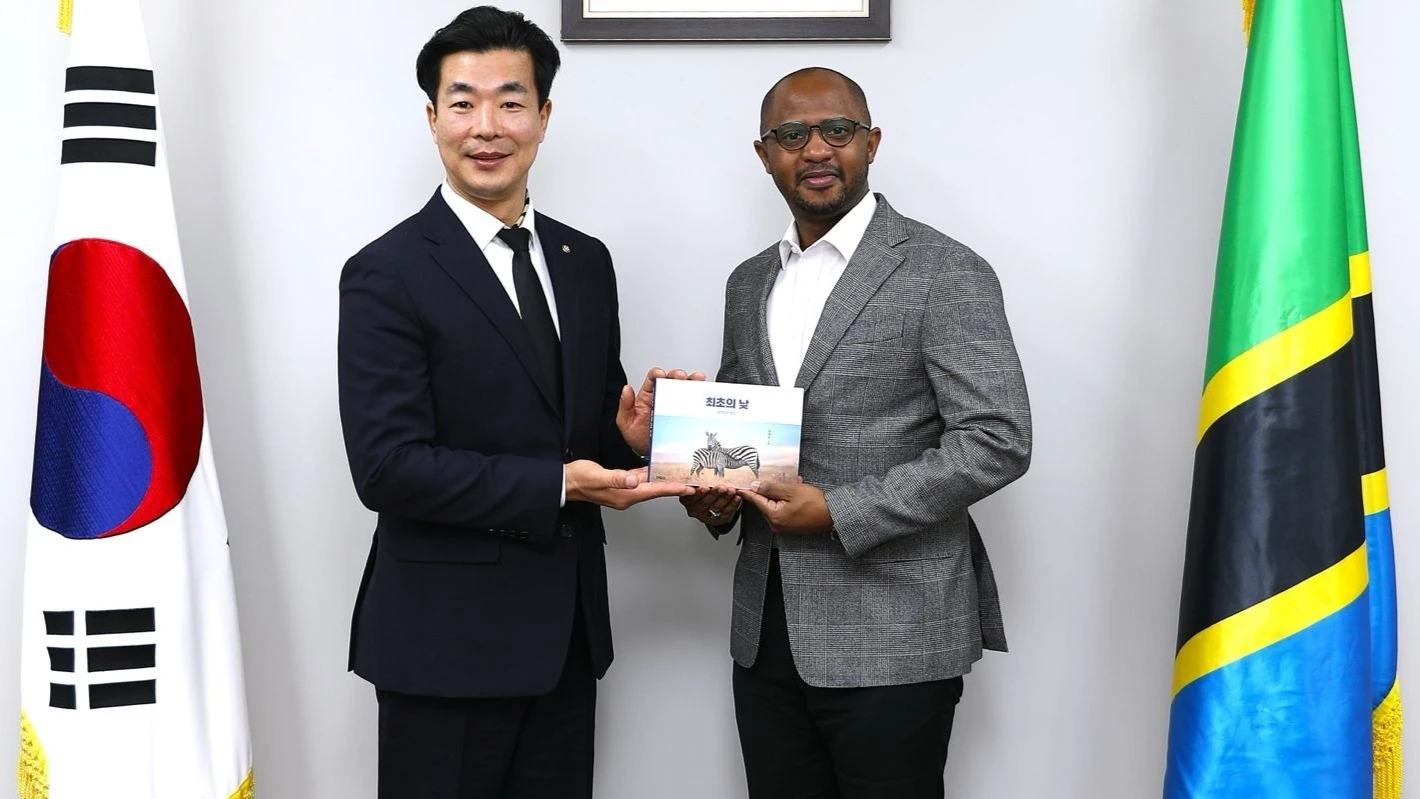
IN a world that moves at relentless speed, Tanzania offers a different rhythm — one rooted in community, patience and shared humanity. The culture of caring for neighbours, showing love across workplaces and villages, speaking wisdom through Swahili proverbs, and embracing the philosophy of ‘Pole Pole’ — meaning ‘slowly, slowly’ — defines much of everyday life in Tanzania. What may seem ordinary to Tanzanians has become extraordinary to many abroad.
Among the nations deeply touched by this cultural richness is South Korea — a country known for its rapid growth, technological innovation, and fast-paced lifestyle. While South Korea’s transformation into a global economic powerhouse is remarkable, many observers note that such rapid development can sometimes overshadow opportunities for reflection and communal connection.
It is within this contrast that a unique cultural exchange has flourished.
For more than a decade, Taegyun Kim has lived and worked in Tanzania, immersing himself in the country’s traditions, values and way of life. Currently serving as President of the Korean Community in Tanzania, Kim has spent over 11 years learning from Tanzanian society — and 16 years living across Africa.
Inspired by what he describes as the ‘blessing of walking slowly’, Kim has taken a bold step to share Tanzanian wisdom with his homeland. His newly published book, The First Day (African Proverbs), introduces South Korean readers to the depth of Swahili proverbs and the reflective spirit embedded in Tanzanian culture.
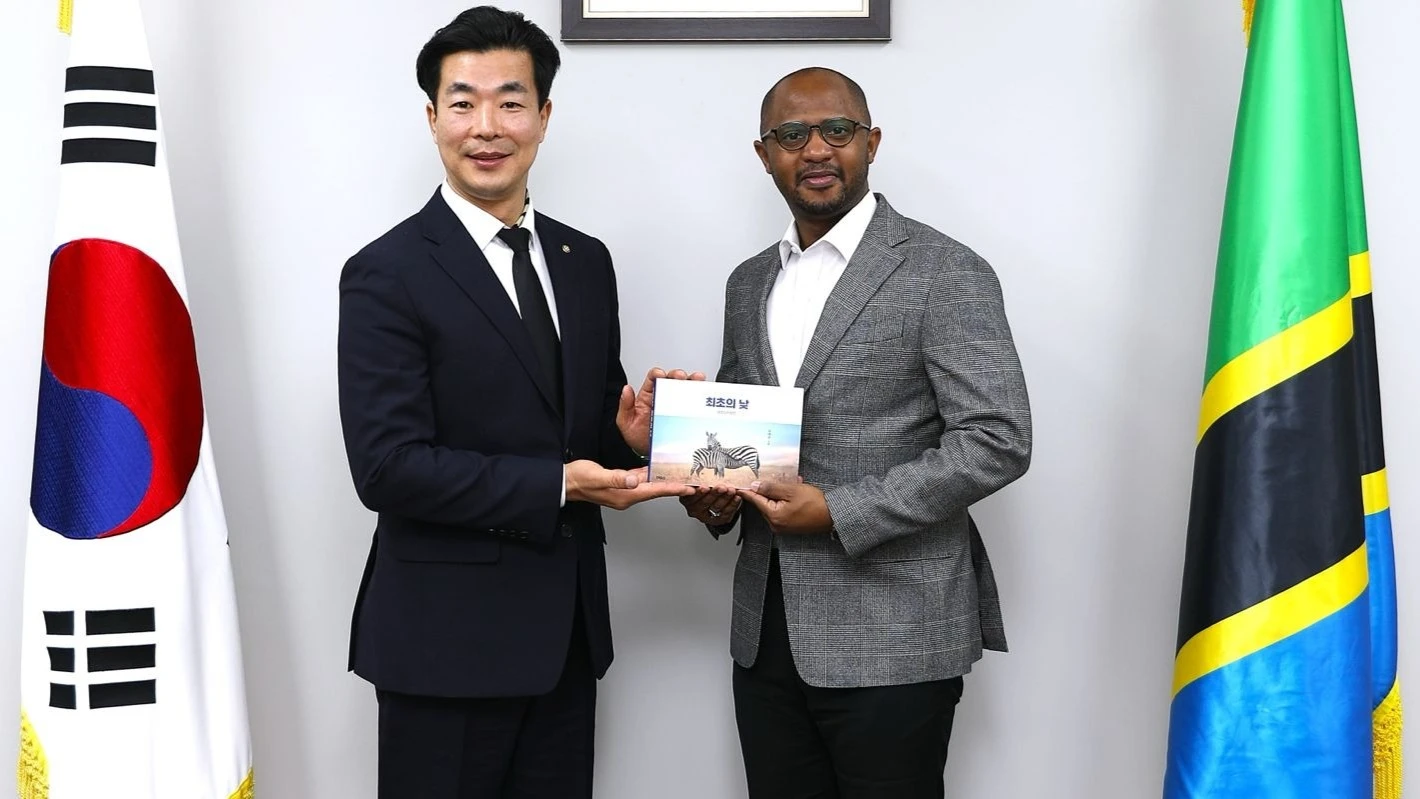
The book was officially launched at the Tanzania Embassy in Seoul by Togolani Mavura, Tanzania’s Ambassador to the Republic of Korea. The ceremony, marked not just a literary event, but a celebration of cultural dialogue between two nations whose tempos of life differ dramatically.
Central to Kim’s message is Tanzania’s cherished concept of ‘Pole Pole’. More than just a phrase, it represents a worldview — encouraging patience, mindfulness, and thoughtful living.
In Tanzanian communities, people prioritize relationships over rigid schedules. Conversations are unhurried. Elders pass down wisdom. Challenges are met with resilience and reflection.
In contrast, South Korea’s “ppalli-ppalli” (hurry, hurry) is a deeply rooted cultural mindset emphasizing extreme speed, efficiency, and urgency in daily life and business, driving the country’s rapid economic growth.
Kim believes both cultures hold value, but he sees Tanzanian wisdom as a necessary balance in today’s fast-moving world.
“South Korea is highly developed and fast-growing,” Kim explains, “but in that rapid growth, many have lost time for self-reflection and the precious bonds of community and family. I wanted to show Koreans that the Tanzanian way of life — prioritizing people, reflection, and the wisdom of ‘Pole Pole’ — is a vital lesson for the modern world.”
Through his writing, he invites Koreans to rediscover stillness.
The power of Swahili proverbs
At the heart of Tanzanian culture lie its proverbs — short, poetic expressions that educate, correct, warn, and offer timeless wisdom. In The First Day, Kim translates numerous Swahili proverbs into Korean, ensuring that readers grasp not just the literal meaning, but the life lessons within them.
Among those featured are: Haraka haraka haina baraka (Haste makes waste), Asiyefunzwa na mamaye hufunzwa na ulimwengu (He/she who is not taught by their mother (or parents) will be taught by the world), Dalili ya mvua ni mawingu (Clouds are the sign of rain), Kila ndege huruka na mbawa zake (Every bird flies with its own wings) and Nyani haoni kundule (A monkey does not see its own backside)
These proverbs, deeply woven into everyday speech in Tanzania, provide moral guidance and encourage accountability, patience, humility, and foresight.
For Korean readers, encountering these sayings in their own language offers both novelty and reflection. The proverbs serve as mirrors, prompting readers to evaluate their own lifestyles and values.
The Serengeti through a Korean lens
Beyond words, the book captivates readers through powerful imagery. Kim personally photographed Tanzania’s wildlife, capturing the serenity and grandeur of the savannah. His images transport readers to the vast plains of the Serengeti National Park, where giraffes stand tall against golden horizons and elephants move with quiet authority across open landscapes.
The photographs are not merely decorative; they are meditative. Through unedited images of zebras, elephants, and other wildlife, Kim conveys what he calls the “living breath” of Tanzania’s wilderness. The stillness of the animals mirrors the stillness he hopes readers will rediscover in themselves.
By pairing proverbs with wildlife imagery, the book becomes both a spiritual reflection and a subtle invitation to explore Tanzania’s tourism treasures.
A cultural bridge
So far, 500 copies of The First Day have been distributed across South Korea. The response has been encouraging, particularly among readers interested in philosophy, language, and global cultures.
Ambassador Mavura praised the book’s contribution to cultural diplomacy, describing it as a meaningful tribute to Tanzanian heritage. Moved by how thoughtfully the author honoured Swahili wisdom, he pledged to donate copies to South Korean universities that offer Swahili language programs.
By documenting proverbs alongside Tanzania’s landscapes, Kim has opened a window through which Koreans can view the heart of East Africa. It is not simply about tourism or curiosity; it is about understanding how different societies define success, happiness, and human connection.
Kim’s connection to Tanzania extends beyond literature. In August 2018, he was appointed Tanzania’s Tourism Goodwill Ambassador in South Korea, strengthening his role as a cultural intermediary. His mission has consistently been to promote Tanzania’s beauty — both natural and spiritual.
As Principal of the Korean School in Tanzania and leader of various NGO initiatives supporting medical aid and vocational training for local youth, Kim has woven himself into Tanzanian society. His activism reflects the very community-centered values he celebrates.
Over the years, he has learned that Tanzanian culture is not merely about slowing down — it is about walking together. Communities rally around one another in times of need. Elders guide youth with stories and sayings. Hospitality extends to strangers. These experiences reshaped his own understanding of life’s priorities.
A shared future of reflection
The journey of The First Day symbolizes more than a book launch. It represents dialogue between two nations: Tanzania, where communal bonds and patient wisdom shape daily life, and South Korea, where rapid advancement defines modern identity.
By introducing Swahili proverbs and the spirit of ‘Pole Pole’ to Korean readers, Kim hopes to cultural intermediary. — to remind people that progress and patience need not be opposites.
In a fast-changing world, Tanzania’s gentle message resonates: move forward, but do not forget to pause. Build success, but nurture relationships. Speak boldly, but listen carefully.
As the spirit of the Serengeti finds readers in Seoul, a quiet transformation may be underway — one proverb at a time.
Top Headlines
Trending Stories















© 2026 IPPMEDIA.COM. ALL RIGHTS RESERVED