




Rising cancer cases among youth raise alarm: experts
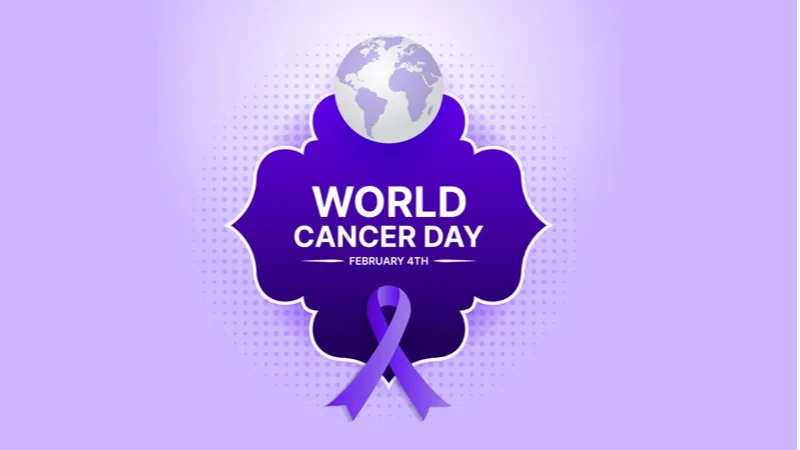
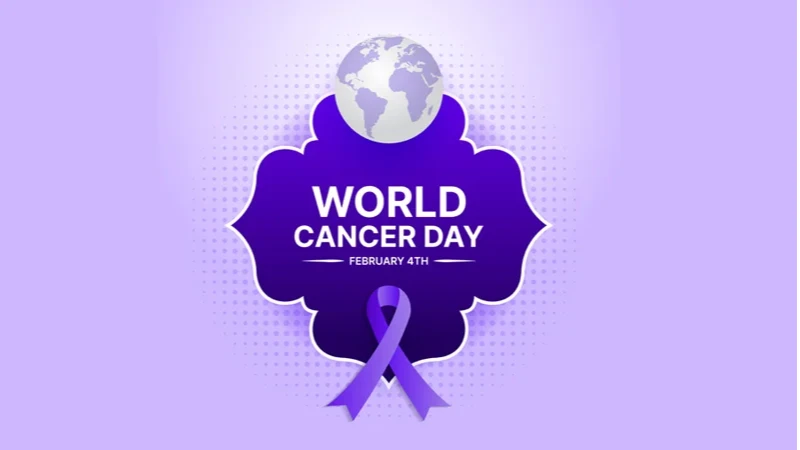
As Tanzania joins the world in observing World Cancer Day today, health experts have raised concerns over a troubling increase in cancer cases among young adults, alongside persistently late diagnosis that continues to claim thousands of lives each year.
According to data from the Ministry of Health and GLOBOCAN (IARC), Tanzania records between 40,000 and 45,000 new cancer cases annually, with 27,000 to nearly 30,000 deaths. Specialists say these figures could be significantly reduced through early screening, prevention, and timely treatment.
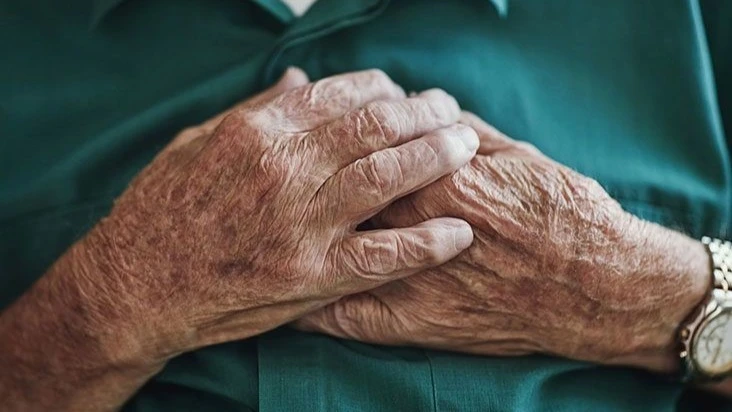
Of particular concern is the emergence of cancer among people aged 30 to 35, challenging the long-held perception that cancer primarily affects older populations.
Dr David Antanamsu, a surgery specialist at Muhimbili National Hospital (MNH) – Mloganzila, said hospitals are seeing younger patients diagnosed with cancers once common in older adults.
“We are seeing more young people diagnosed, particularly with breast cancer in women and prostate cancer in men,” he told The Guardian.
Dr Deogratius Mwanakulya, oncologist and head of the Cancer Unit at MNH, added that late presentation remains one of the biggest obstacles in fighting cancer.
“Many patients come to hospital when the disease is already advanced, which significantly reduces the chances of successful treatment,” he said.
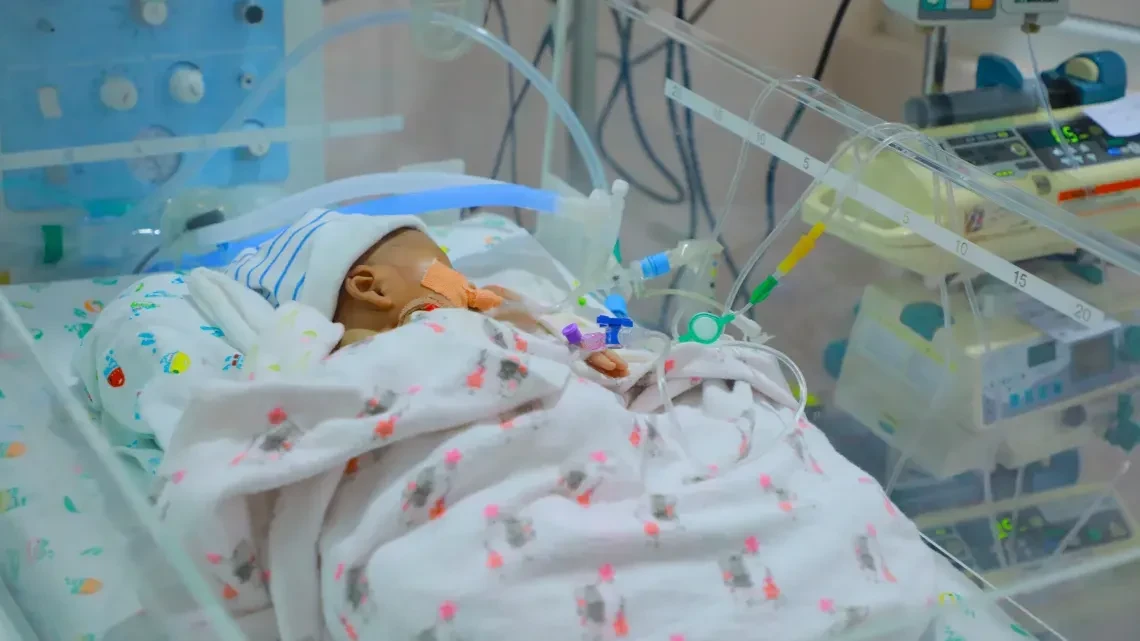
The most common cancers in Tanzania include cervical cancer among women, prostate cancer among men, followed by breast, throat, and colorectal cancers. Other cancers, such as eye and thyroid cancers, can affect children, highlighting the need for vigilance across age groups.
Experts note a worrying trend toward earlier onset, citing cases of women in their early 30s diagnosed with breast cancer, and young men diagnosed with colorectal cancer.
“Cancer can affect anyone at any age. Early screening is essential, especially for those with a family history of the disease,” Dr Antanamsu advised.
He also emphasized healthy lifestyle choices to reduce risk, urging people to exercise regularly, limit alcohol consumption, eat fruits and vegetables, and avoid processed foods.
While the government has expanded cancer services at referral hospitals such as MNH, Ocean Road Cancer Institute (ORCI), Benjamin Mkapa Hospital, and other regional and private facilities, challenges remain. These include high treatment costs, long distances to specialized centers, limited access to services, and a shortage of oncology specialists.
“Health insurance coverage and continued investment in the health sector are critical,” said Dr Mwanakulya.
Experts stress that prevention remains the most effective weapon against cancer. They called on Tanzanians to avoid smoking, excessive alcohol, unhealthy diets, and exposure to hazardous chemicals.
Vaccination against HPV for girls was highlighted as a powerful preventive tool against cervical cancer — one of the leading causes of cancer deaths among women in Tanzania.
Addressing stigma, Dr Mwanakulya urged communities to recognize cancer as a medical condition, not a curse or punishment, and to provide psychological, family, and social support for patients.
The 2026 World Cancer Day theme, “United by Unique – United by Every Unique Story,” emphasizes people-centred care and awareness. Experts say every Tanzanian has a role to play: learn about cancer, get screened regularly, live a healthy lifestyle, and support those affected.
“As we mark World Cancer Day, the message is clear: screening saves lives. Early detection is key to survival,” Dr Antanamsu concluded.
Top Headlines
Trending Stories












© 2026 IPPMEDIA.COM. ALL RIGHTS RESERVED