




Tanzania agrees to host FAO farm mechanisation institute
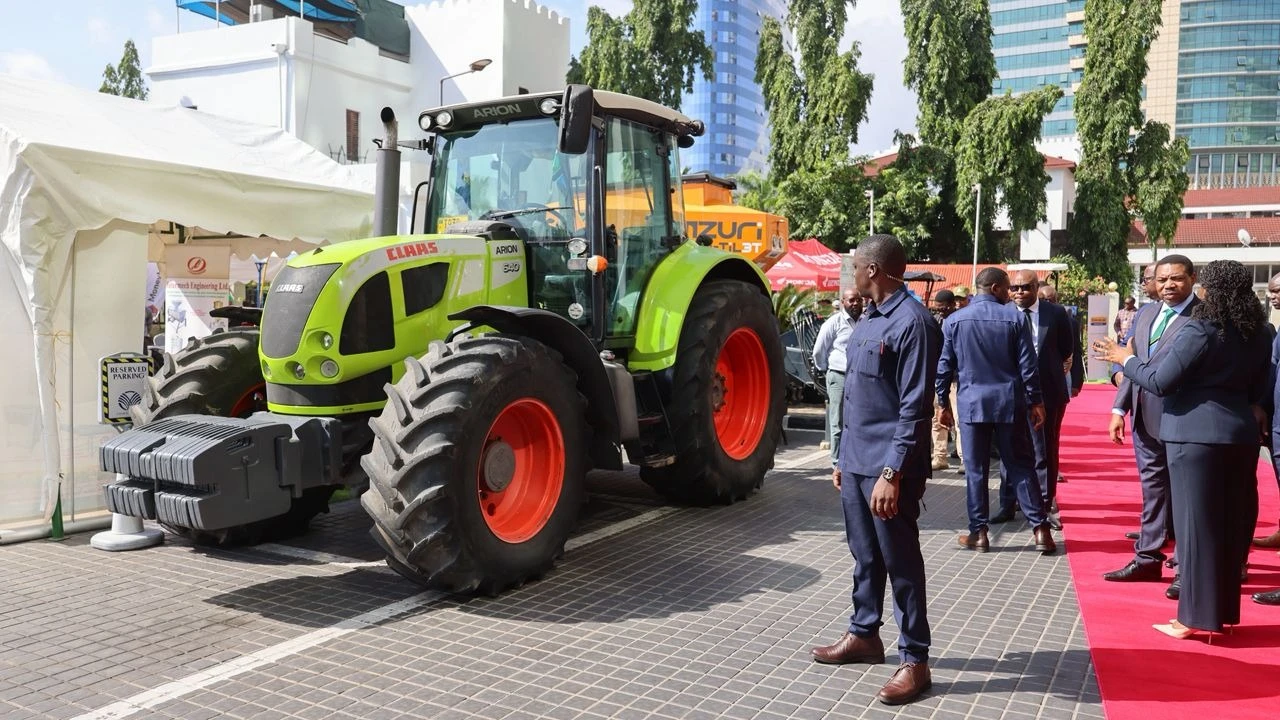
IN a further boost to Tanzania’s continental profile, the country has accepted an invitation to host the proposed centre of excellence for agricultural mechanisation in Africa, sponsored by the United Nations Food and Agriculture Organisation (FAO).
Prime Minister Dr Mwigulu Nchemba announced this accord yesterday, officiating at the first Africa regional conference on sustainable agricultural mechanisation in Dar es Salaam, organised jointly with the FAO, pledging land and full government support.
“We invite FAO to consider Tanzania as the host country. The government stands ready to provide all necessary support to ensure the success of this centre,” he said, underlining that the centre would serve as a hub for research, skills development, innovation and knowledge-sharing in agricultural mechanisation across the continent.
Dr Charles Spillane, the FAO chief scientist who delivered the keynote address, said sustainable mechanisation is essential to closing yield gaps, reducing post-harvest losses and improving livelihoods, particularly for smallholder farmers.
“Mechanisation must be treated not as a single piece of equipment but as a system that integrates technology, skills, energy access, finance and policy,” he declared, affirming that women farmers across Africa face limited access to mechanisation services, finance and training, despite carrying much of the physically demanding agricultural work.
“Sustainable mechanisation must deliberately reduce the labour burden on women and create opportunities for youth as service providers, technicians and entrepreneurs,” he explained.
Stronger private sector participation is vital as limited investment in agricultural machinery and infrastructure over the past two decades has constrained sector growth, he said, stressing partnerships between governments, the private sector, research institutions and development partners to deliver practical solutions to farmers.
The premier formally launched the second national agricultural mechanisation strategy (2026–2035), explaining the need to align national plans with the framework for sustainable agricultural mechanisation in Africa pursued by the FAO.
The five-day conference brings together ministers, policymakers, scientists, development partners and private sector executives from across Africa and beyond to chart a path towards sustainable, inclusive and climate-resilient agricultural mechanization process, he stated.
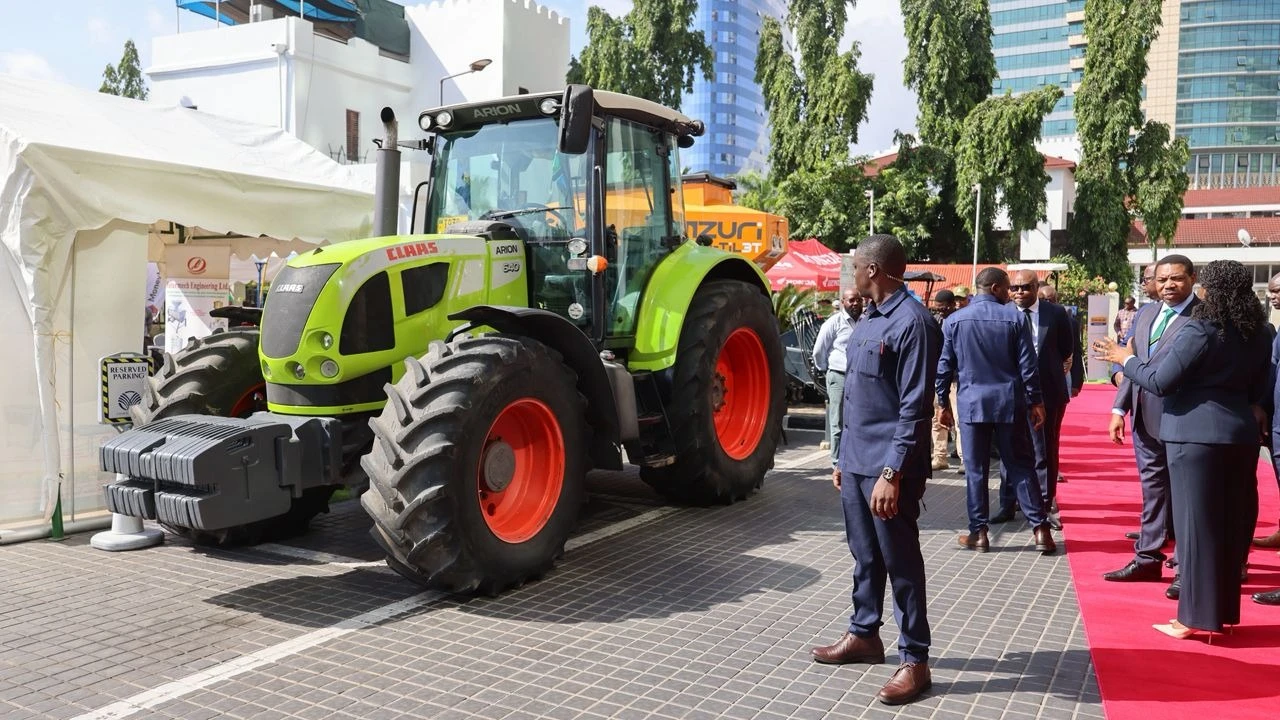
He used the occasion to dwell on government plans to procure 10,000 tractors and establish 1,000 ward-level agricultural mechanisation service centres, a major intervention aimed at boosting farm productivity, cutting post-harvest losses and reducing reliance on manual labour among smallholder farmers.
The programme is expected to bring affordable mechanisation services closer to farmers, enabling access to machinery for land preparation, planting, weeding, harvesting and post-harvest handling, he said.
“This intervention will increase productivity and efficiency, while allowing farmers to devote time spent on manual labour to other economic activities,” he said, lamenting that limited access to mechanisation is a major constraints facing Tanzanian farmers, contributing to low yields, high labour demands and significant post-harvest losses.
Under the plan, the ward-based service centres will enable farmers to hire mechanisation services at subsidised rates, reducing the need for costly individual investments in machinery.
The premier said that the conference comes at a critical moment for Africa as climate change, labour shortages and rising food demand strain agricultural systems, echoing the view that agricultural mechanisation is no longer an option but a strategic necessity for increasing productivity.
Mechanisation builds resilient food systems for improving rural livelihoods, cutting women’s disproportionate share of labour-intensive farming while many young people are leaving rural areas in search of decent employment in towns and cities, he stated.
Sustainable mechanisation can help reduce gender inequality, attract youth into agriculture and unlock value across the entire food system, as Tanzania’s approach is aligned with the ten year comprehensive Africa agriculture development programme (CAADP) strategy and action plan (2026–2035) adopted by African Union summit in Kampala last year, which prioritises resilient and sustainable food systems, he added.
Top Headlines
Trending Stories












© 2026 IPPMEDIA.COM. ALL RIGHTS RESERVED