




Experts exploring regional joint medical procurement
JOINT procurement initiatives for medicines, medical equipment and supplies within the East, Central and Southern African Health Community (ECSA-HC) have reduced costs and improved efficiency compared to individual country purchases.
The matter was raised at the 76th health ministers’ regional conference at the Ezulwini resort in the Kingdom of Eswatini yesterday, a high-level policy and decision-making platform bringing together health ministers regional bodies and development partners.
Over three days, the conference will provide space for strategic dialogue, evidence review and adoption of regional resolutions guiding collective action across ECSA-HC member states, conference organisers noted.
A conference background note said that the programme is thoughtfully structured around plenary sessions, ministerial dialogues and thematic discussions that address priority regional and global health issues.
Key focus areas include universal health coverage, sustainable health financing, health emergencies and climate resilience alongside women, children and adolescent health, digital health systems and non-communicable diseases, it said.
Other areas of discussion were listed as human resources for health, local manufacturing of drugs and medical equipment and regional partnerships, with pre-conference meetings and side events further enriching the agenda by actively engaging youth, senior government officials and technical experts, it said.
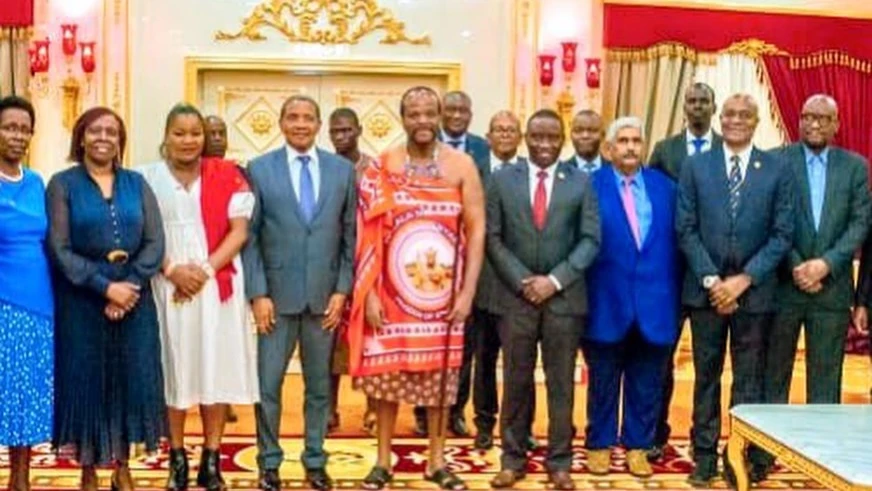
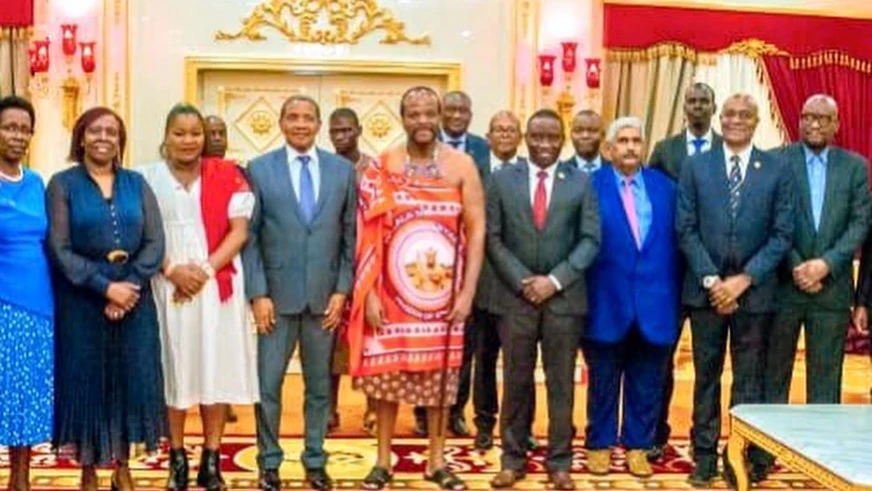
On the sidelines of the meeting, former Tanzanian president Jakaya Kikwete led participants to meet King Mswati III of Eswatini, who expressed strong support for regional health initiatives and promised to share outcomes of the meeting with ECSA-HC leaders and other regional bodies.
“This engagement underscores the importance of political will in advancing health agendas and sustaining programs that save lives,” he said after the meeting, underlining that the ECSA-HC meeting comes at a critical time when member states face funding shortfalls, rising demand for health services, and the need to strengthen systems against future shocks, including pandemics and regional disease outbreaks.
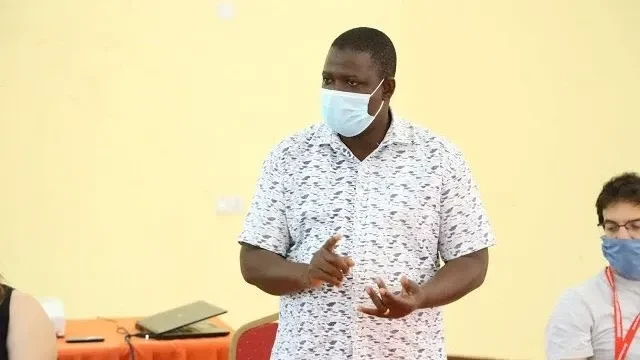
Speaking in his capacity as chairman of the Jakaya Mrisho Kikwete Foundation (JMKF), he urged the member states to seek alternative sources of health funding as donor support declines, as reliance on external aid threatens the viability of essential health services.
“Pooling resources and coordinating procurement enables member states to save money and strengthen health system capacity,” he said, pointing at how strong partnerships with civil society organizations significantly contributed to reducing maternal mortality—from 560 deaths per 100,000 live births to 104.
He similarly showcased the mobile clinic project which serves remote areas in Uyui and Sikonge districts, Tabora Region as an initiative that has provided health services to over 1,500 mothers and delivered health education to more than 3,200 schoolchildren.
Its services have included ultrasound scans, malaria treatment and maternal care—efforts that directly support reductions in maternal and infant mortality, he said, contributing to discussion on strategies for strengthening regional health systems amid shrinking donor contributions.
“Governments cannot tell citizens that health services are suspended because donors stopped funding,” he said in his opening remarks to top ministerial officials at the meeting Policy makers must find solutions to guarantee that essential health services are maintained, he added.
Top Headlines
Trending Stories





© 2026 IPPMEDIA.COM. ALL RIGHTS RESERVED