




Skills gaps, staff shortages drive maternal, newborn deaths – govt
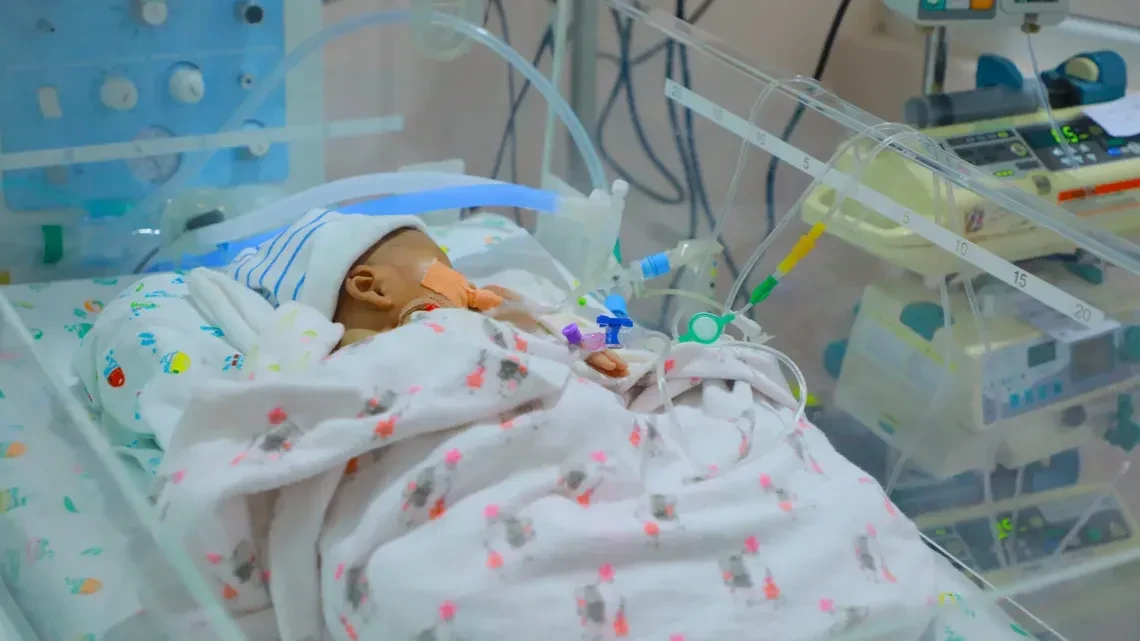
THE government has acknowledged that most maternal and newborn deaths in Tanzania are caused by skills gaps among health workers and a critical shortage of specialised personnel, underscoring the urgent need for targeted training and investment in frontline health services.
This was said by the director of reproductive, maternal and child health at the Ministry of Health, Dr Ahmad Makuwani, during the launch of the Safe Mother and Child Project in Dodoma over the weekend.
Dr Makuwani said reviews conducted by the ministry indicate that insufficient technical competence among some health workers, particularly those handling childbirth and neonatal care, remains a major contributor to preventable deaths.
“From our reviews of maternal and newborn deaths, we have established that many of these deaths are linked to a lack of skills among health workers,” he said. “This highlights the urgent need for structured training for supervisors and all stakeholders involved in this project to improve service delivery.”
In response, Dr Makuwani said the government has rolled out robust strategies to reduce maternal and neonatal mortality, including the recruitment of additional health workers, capacity-building programmes, and upgrading health infrastructure across the country.
He added that the Ministry of Health, in collaboration with development partners and civil society organisations, is strengthening coordination mechanisms to ensure that interventions are evidence-based and results-oriented.
“The government is committed to working closely with partners to ensure this project is implemented effectively and delivers tangible results,” he said.
The five-year safe mother and child project will be implemented in the regions of Kigoma, Katavi and Geita, which continue to record high rates of maternal and newborn deaths.
Dr Sunday Dominico, director of projects at Thamini Uhai Organisation and President of the Association of Obstetricians and Gynaecologists, said the project aims to strengthen reproductive, maternal and child health services, with a focus on emergency obstetric care, care for premature babies, and management of low-birth-weight infants.
“The project is designed to address critical gaps in service delivery, particularly in emergency maternal care and neonatal services,” Dr Dominico said.
The project is funded by Bloomberg Philanthropies and the Bill & Melinda Gates Foundation, both long-standing partners of the Tanzanian government in advancing public health outcomes.
Dr Dominico said the partners will establish a joint monitoring and evaluation framework to track progress and ensure that targets to reduce maternal and newborn deaths are met.
“We are putting in place a shared accountability system to ensure that the objectives of this project translate into real improvements for mothers and children, especially during childbirth,” he said.
Maternal and newborn mortality remains a key public health challenge in Tanzania, with experts repeatedly calling for improved staffing, skills development and emergency care readiness as critical measures to save lives.
Top Headlines
Trending Stories
















© 2026 IPPMEDIA.COM. ALL RIGHTS RESERVED