



How effectively can targeting of risk factors arrest stroke?
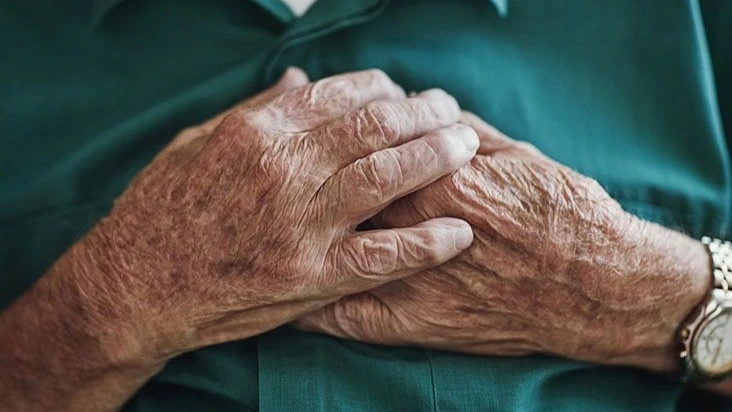
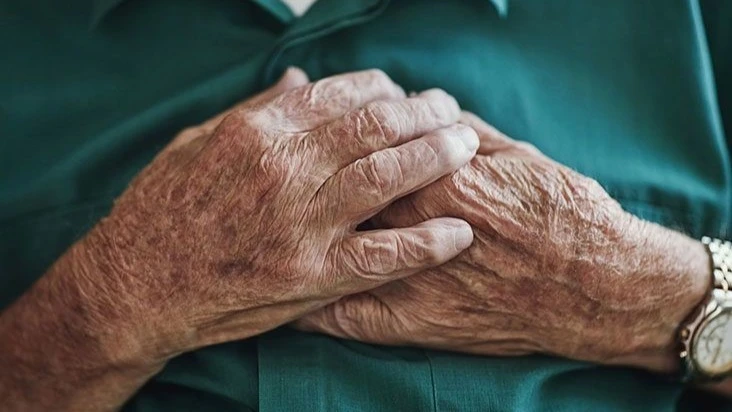
WE might be familiar with the sudden, shattering tragedy of a stroke. Whether it strikes a family member at home, a neighbour, a relative, or a colleague, the impact is universal and devastating.
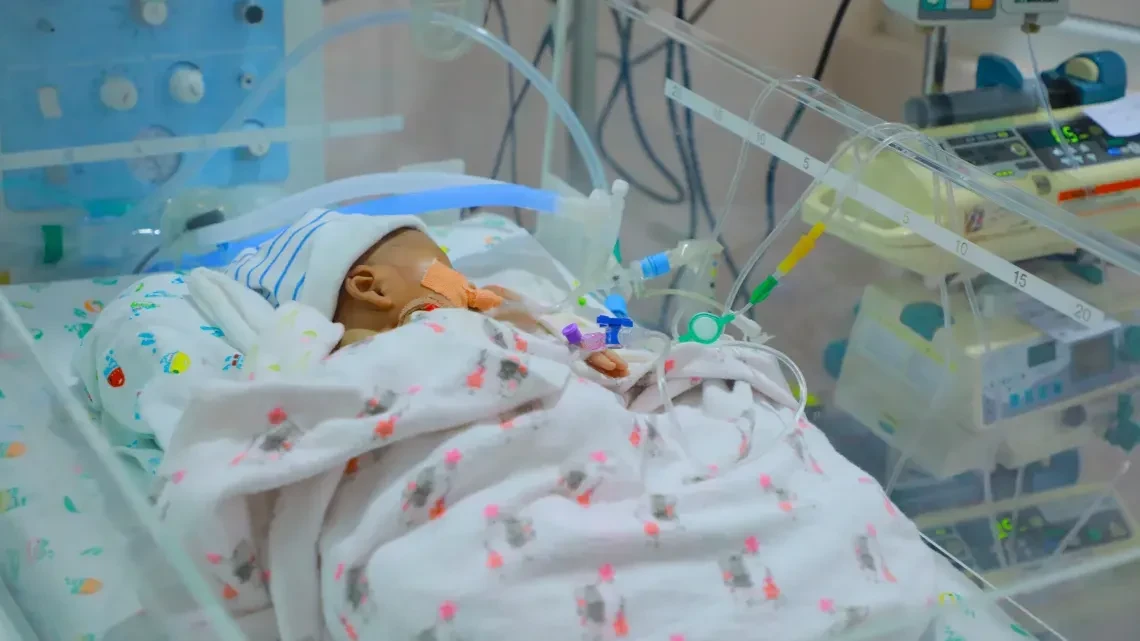
While some victims pass away instantly, many others survive, only to embark on a gruelling journey of medication and physical therapy. In these cases, progress is often measured in slow, arduous steps, leaving families to navigate a new reality of long-term care and uncertainty that could be costly.
Stroke is a complex medical condition that can strike anyone, although it predominantly affects adults. It respects no boundaries of time or place. For those fortunate enough to survive, a lingering fear often remains: the terrifying possibility of recurrence in an even more incapacitating state.
Families and caregivers bear the heavy emotional and physical burden of this struggle, nursing loved ones through a recovery process that is frequently painstakingly slow and demanding of persistence and rigorous physical exercises.
Behind clinical statistics lies a profound human story. Consider the case of a dedicated institutional officer who, despite years of integrity and diligent service, found himself targeted by a workplace conspiracy involving misappropriated funds. After being unfairly transferred from an urban centre to a remote upcountry area, the stress and sudden change culminated in a fatal stroke shortly after his arrival. His untimely demise left family members, close friends, colleagues and neighbours baffled.
Similarly, a retired officer, still energetic and working as a security agent to support his extended family, collapsed and passed away while on duty. These stories highlight how the pressure of life and work can collide with physical vulnerability to produce tragic outcomes.
However, there is also remarkable hope to be found in human resilience. One survivor remained bedridden and unable to speak for nearly 20 years. Following a communal moment of deep support and prayer, she experienced a recovery so complete that she regained her ability to walk, work, and speak.
To date, she doesn’t understand whether it was divine intervention or just natural recovery; she is in perfect health. In another instance, a mother and her first-born son both suffered strokes within just months of each other. Through rigorous hospital care and recommended exercises, both have regained their speech and mobility, although both of them still feel they haven’t fully recovered. Their journey proves that while the road is long, recovery is possible with the right medical intervention.
Despite these lived realities, stroke is still frequently shrouded in superstition. In some communities, it is wrongly attributed to "divine retribution" or believed to be a "curse" sent by an enemy as payment for perceived wrongdoing.
Such beliefs are not just inaccurate; they are dangerous because they assign a superstitious causality to a condition that has a clear scientific explanation. They lead to social stigma, suggesting that the victim is being repaid for misdeeds, and often cause delays in seeking the urgent medical care that could save a life or prevent permanent disability.
To combat these myths, we must look at the medical reality. According to the World Stroke Organisation (WSO) Global Stroke Fact Sheet 2025, stroke is the second leading cause of death and the third leading cause of combined death and disability worldwide.
If anything, it is more associated with a person’s sedentary lifestyle and environmental factors than his or her misdeeds. Research published in International Journal of Stroke reveals a staggering trend: between 1990 and 2021, incident strokes increased by 70 per cent, while deaths rose by 44 per cent. Crucially, the burden is not shared equally; nearly 90 per cent of the global stroke burden resides in low- and middle-income countries (LMICs).
The economic impact is equally overwhelming. The estimated global cost of stroke now exceeds $890 billion annually—approximately 0.66 per cent of the global GDP—and this figure is projected to nearly double by 2050.
Furthermore, the World Health Organisation (WHO) notes that cardiovascular diseases (CVDs) claim 17.9 million lives each year. More than four out of five of these deaths are due to heart attacks and strokes, with one-third occurring prematurely in individuals under the age of 70.
The most critical takeaway from recent medical research is that stroke is highly preventable.
In 2021, 84 per cent of the global stroke burden was linked to 23 modifiable risk factors. These include: high blood pressure (hypertension), air pollution, excess body weight, smoking, and physical inactivity.
This represents a massive public health challenge, but also a significant opportunity for life-saving action. Addressing this crisis requires what experts call "primordial prevention"—tackling risk factors before they ever manifest as chronic conditions like diabetes or heart disease. This involves a shift in how governments manage public health. Proposed measures include:
Economic incentives: Subsidies for fruits and vegetables paired with sugar and alcohol taxes. Food regulation: Reducing salt levels, banning trans-fats, and regulating fast-food advertising. Public facilities: Providing healthy, plant-based menus in schools and hospitals. Environmental policy: Phasing out industrialised animal farming and improving air quality.
Primary prevention also depends on early detection and control of existing conditions like hypertension, obesity, and diabetes. While non-modifiable factors like age play a role, the vast majority of strokes are fuelled by undetected high blood pressure and lifestyle choices. Especially in LMICs, the combination of rising obesity and uncontrolled blood pressure continues to drive the risk.
To bridge the gap between superstition and survival, we must acknowledge stroke for what it is: a medical emergency that demands early detection and systemic societal change. By fostering conditions that favour healthy living and medical transparency, we can reduce the number of families mourning the sudden loss of a loved one or facing the long, silent struggle of a twenty-year recovery.
Top Headlines
Trending Stories







© 2026 IPPMEDIA.COM. ALL RIGHTS RESERVED