




Ministry cautions on transport disruptions as rains take hold
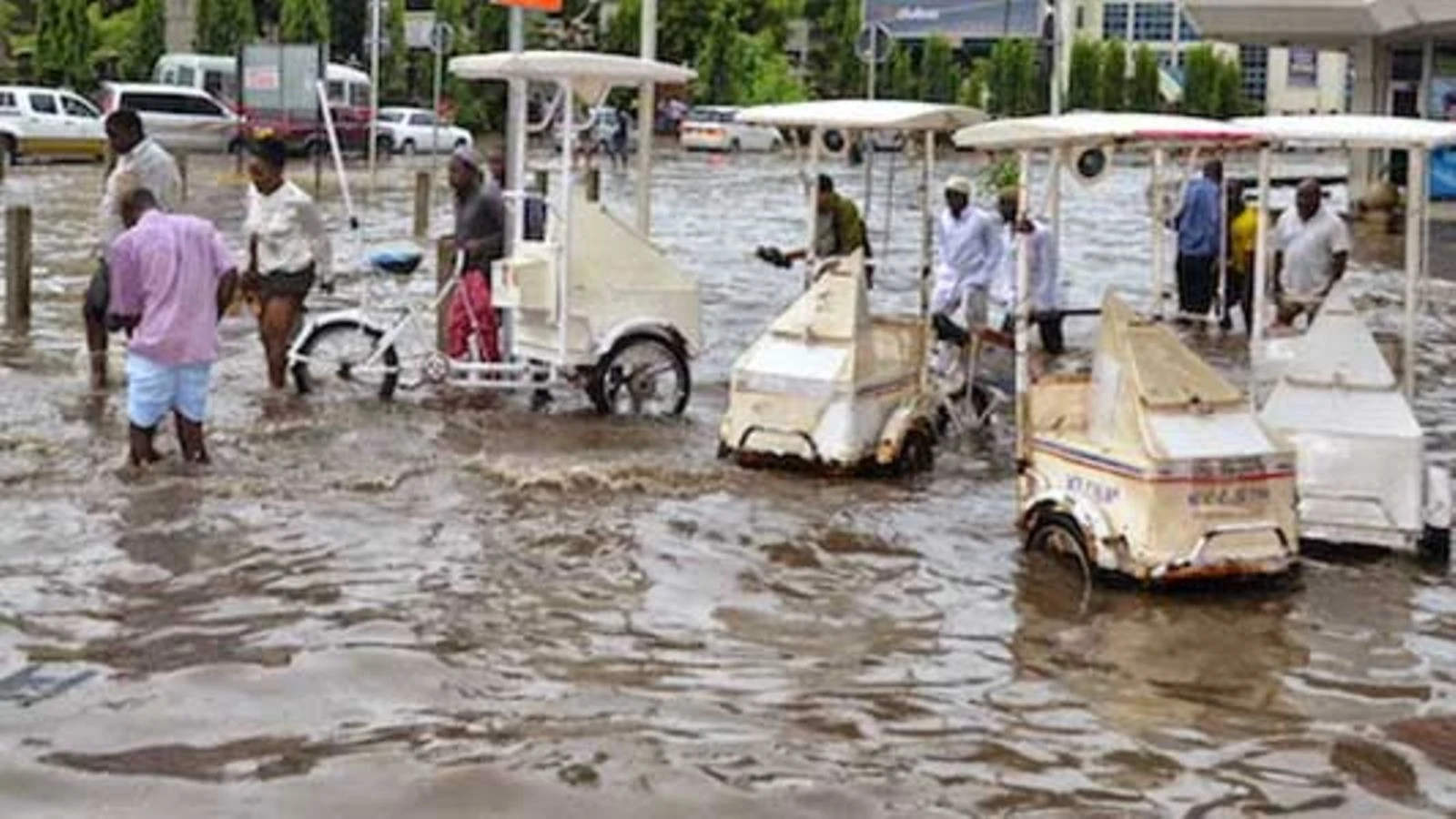
THE public has been asked to be mindful of potential disruptions in road, rail, air and water transport services during the March–May 2026 rainy season, citing forecasts of above-average rainfall in wide ranging zones across the country.
The government communications unit at the Transport ministry said in a statement yesterday that predictions ahead of the long rains and seasonal climate outlooks indicate that the northern coast — including Morogoro Region, Coast Region and Dar es Salaam - are likely to have intense heavy rains.
Unguja and Pemba islands will face the same weather pattern of average to above-average rainfall, along with parts of the Lake Victoria Basin are also expected to experience similar conditions, it said.
Rainfall intensity is projected to increase significantly in April, raising the likelihood of severe weather events such as heavy downpours, strong winds and localised flooding, thus the need for caution as these conditions could affect transport operations across multiple sectors, particularly in low-lying and flood-prone areas, it said.
Prolonged and intense rainfall could damage road surfaces, bridges and drainage systems while weakening railway embankments and tracks. Floodwaters may render some roads temporarily impassable, disrupt cargo movement and slow passenger travel, while in towns and cities waterlogging may crowd vehicles and cause traffic congestion, increasing the risk of road accidents, the ministry intimated..
Air transport services may also face operational challenges, including flight delays or cancellations caused by poor visibility, strong crosswinds or water accumulation on runways, it said.
Similarly, marine transport on coastal and inland waterways could be disrupted by rough seas, reduced visibility and heightened safety risks for vessels, it said in a precautionary note coming as the country prepares for the long rainy season.
It typically affects logistics operations nationwide, placing additional strain on transport infrastructure, thus the ministry underlined early preparedness as essential to minimize economic losses and ensure public safety.
Transport stakeholders, including operators, infrastructure managers and regulatory agencies have been urged to take precautionary measures while closely monitoring daily weather forecasts.
They need to strictly adhere to safety guidelines, conduct thorough inspections of roads, rail lines, ports and airports, apart from strengthening drainage systems to mitigate potential flood damage, it stressed.
The public needs to exercise caution when traveling during heavy rains while following official advisories on the weather situation, it added.
Top Headlines
Trending Stories




















© 2026 IPPMEDIA.COM. ALL RIGHTS RESERVED