




Master’s studies have top priority in new 5bn/- AI, tech scholarships
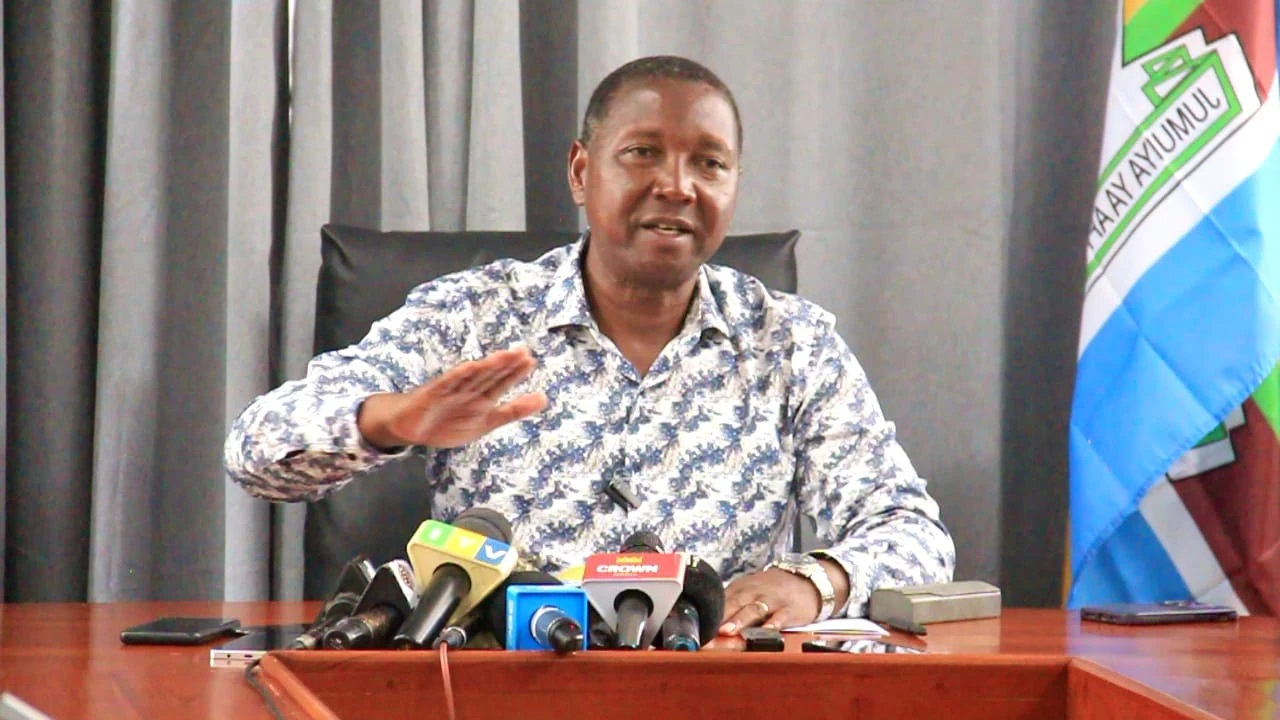
THE government’s decision to prioritize Master’s-level funding in extended scholarship awards for artificial intelligence and data sciences reflects an urgent demand for specialized knowledge beyond foundational undergraduate training.
Prof. Adolf Mkenda, the Education, Science and Technology minister, explained this orientation at a press conference yesterday, noting that the graduates are expected to return and spearhead digital transformation in public and private sectors.
They may also establish technology startups that generate new employment opportunities, he said, appealing to stakeholders to support the Samia extended scholarship programme, as the government has allocated more than 5bn/- to sponsor students pursuing undergraduate and Master’s degrees in artificial intelligence (AI) and data science.
This strategic investment is intended to cultivate a highly skilled workforce capable of navigating the complexities of the fourth industrial revolution and a rapidly evolving global economy, he said, detailing a specialized programme at the Nelson Mandela African Institution of Science and Technology (NM-AIST).
The programme focuses on AI, data science and emerging technology fields, with an initial cohort of ten master’s students is enrolled at the institution, with a similar cohort slated for the Indian Institute of Technology (IIT) in Zanzibar.
The current vision is to prioritise the training of homegrown experts to reduce reliance on external expertise, where the selection process is rigorous and merit-based, ensuring that state support is reserved for the most qualified candidates, he stated.
Beyond local training, the scholarship programme is lining up students for elite international destinations, with 16 students already commencing studies in South Africa, while 34 others depart for Ireland in July.
This initiative identifies exceptionally talented students in strategic fields such as cybersecurity and data science, where those selected undergo an intensive preparatory Bootcamp at NM-AIST, which equips them with advanced technical skills, research exposure and leadership development before they proceed to top universities abroad.
The fully funded scholarship is comprehensive, covering tuition, accommodation, health insurance and living allowances, he said, insisting that the programme maintains high standards to get the best out of the best among those vying for selection, in demonstrating study excellence and leadership potential.
The transition to a knowledge-based economy is a collective duty, thus private sector actors like mining firms, banks and telecommunications companies need to partner with the government to ensure the programme's sustainability and reach, he said.
"Their involvement will help us strengthen the programme’s impact," he stated, similarly appealing to development partners to join in grooming the country’s brightest young minds for leadership in those fields.
Dr Amos Nungu, the director general at the Tanzania Commission for Science and Technology (Costech), which coordinates the programme, assured the public that the programme is geared to producing highly skilled professionals ready for different development tasks.
Prof Eliud Kipanyule, the NM-AIST CEO, asserted that the scholarships provide a unique opportunity for local students to interact and exchange ideas with international peers, gaining a broader perspective essential for an adapted workforce.
Top Headlines
Trending Stories













© 2026 IPPMEDIA.COM. ALL RIGHTS RESERVED