




Treasury disburses 700bn/- in giant Kilombero sugar factory
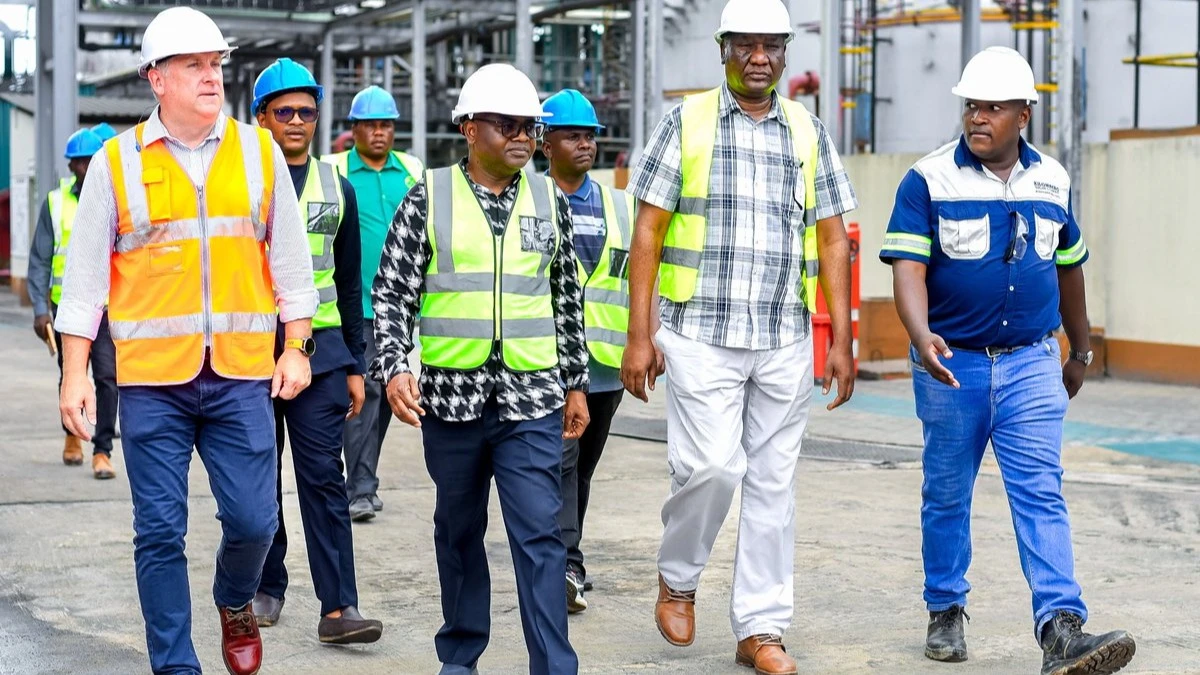
THE government has invested 700bn/- in the construction of a giant sugar factory expected to become the largest in east, central and southern Africa.
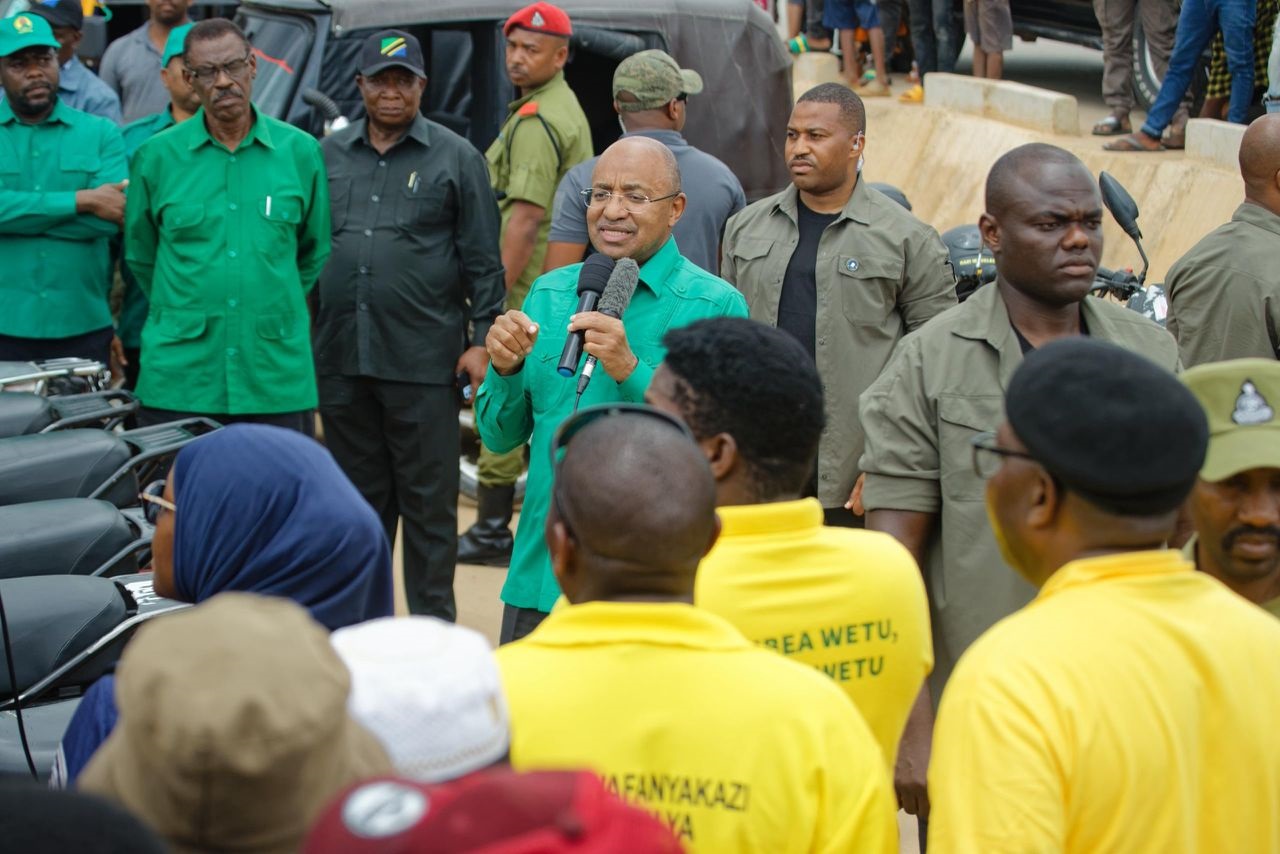
Prof. Kitila Mkumbo, the Planning and Investment state minister in the President's Office, made this observation during a visit to the construction site in Kilombero yesterday, explaining that the visit was intended to verify whether contractual commitments made on paper were being implemented on the ground.
Affirming that major investment will double production capacity for the Kilombero sugar factories from 130,000 tonnes to 270,000 tonnes annually, he said that the new factory will significantly boost the domestic sugar output and accelerate the country’s drive towards self-sufficiency.
He expressed satisfaction with the progress of construction works, commending efforts by the joint venture company management for diligently executing the agreed plans. “I came to see for myself whether what was signed is being implemented physically, and I am satisfied with the progress,” he declared.
He praised its prioritizing of local employment, as engineers and technical professionals have been engaged in the project. “I am happy to see these young men and women, very talented and graduates from our universities. I am told this factory will employ up to 90,000 staff,” he said, underscoring the government’s strong focus on job creation.
Employment expansion is central to the implementation of Vision 2050, which among other things seeks to ensure that up to 50 percent of 118m projected population by 2050 will have access to decent jobs, he said.
Dunstan Kyobya, the district commissioner, congratulated the minister for being the first member of the cabinet to visit Kilombero since the polls late October, expressing satisfaction that once Kilombero Four sugar begins production later in June, it will significantly ease the country’s sugar shortages.
Currently, Kilombero Sugar Co. operates three factories which produce sugar, while another factory produces ethanol. Ownership of the company is structured at 75 per cent for private investors and 25 per cent for the government, he said.
The launch of Kilombero Four sugar plant will be a milestone in the country’s agro-industrialisation agenda, strengthening food security, creating jobs and boosting export potential.
The minister asserted that the country is on course to end its long-standing sugar deficit and achieve 100 per cent self-sufficiency mid this year, eliminating reliance on sugar imports.
He made that affirmation during an inspection tour of the Mkulazi I Farm in Morogoro District, which has attracted major agricultural investments, including Eagle Agrotech (T).The firm is constructing a sugar manufacturing plant while Santagro Ltd is engaged in large-scale cultivation of wheat, sorghum, maize and sunflower to supply raw materials for domestic industries.
Expansion of domestic sugar production through strategic public-private partnerships marks a turning point in resolving prolonged shortages. “The long-standing sugar problem is coming to an end. Through deliberate government strategies and collaboration with investors, Tanzania will produce sufficient sugar for domestic consumption and generate surplus for export,” he said.
The initiative is aligned with the country’s broader development agenda aimed at positioning Tanzania among Africa’s leading food producers. Agriculture is identified as one of nine priority sectors under Vision 2050 expected to drive economic transformation over the next 25 years.
“Tanzania is endowed with 44m hectares suitable for agriculture, yet only about 30 per cent is currently cultivated. Much of our farming has been subsistence-based, leaving vast productive land underutilised,” he stated.
The government’s strategy promotes a dual agricultural model — empowering smallholder farmers to commercialise while encouraging large-scale investors to enhance productivity and strengthen agro-industrial linkages, he said.
At Mkulazi I farm, Santagro is investing in sorghum, maize, sesame and sunflower production, with general manager Luiz de Carvalho explaining that investors face challenges of livestock encroachment on cultivated land, which disrupts production.
The company has to increase security measures while seeking stronger government support to protect agricultural investments, he added.
Top Headlines
Trending Stories














© 2026 IPPMEDIA.COM. ALL RIGHTS RESERVED