




Minister: Tanzania, Zambia tackle five cross border trade disputes, five to go

TANZANIA and Zambia have resolved five of the ten critical non-tariff obstacles that have for years slowed cross-border trade and caused severe congestion at the Tunduma-Nakonde border, a key gateway for Southern Africa trade.
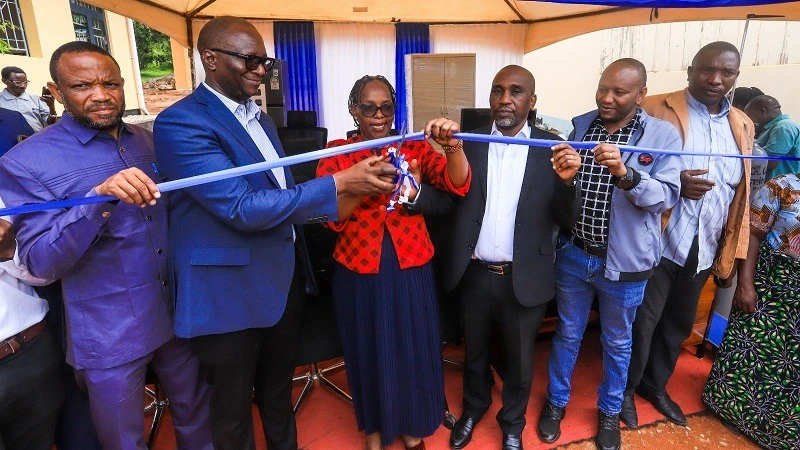
Foreign minister Mahmoud Thabit Kombo and his Zambian counterpart Mulambo Haimbe reached agreements at a bilateral goodwill meeting held at the border on Monday, also attended by senior officials from both sides.
The breakthrough is expected to boost regional commerce, reduce delays and improve efficiency for transporters and traders operating in the Southern Africa Development Community (SADC) zone, the minister affirmed.
The session focused on trade facilitation, technological cooperation and streamlining border operations, with the minister highlighting that one of the most significant outcomes is Zambia’s commitment to provide 24-hour operations at the one stop border post (OSBP) in a manner similar to Tanzania.
“This will substantially reduce delays in cargo clearance and truck congestion, ensuring smoother trade flows across the border,” he said, pointing at another major achievement as the adoption of high quality scanners provided by the Tanzanian authorities.
This technology is intended to accelerate cargo inspection, reduce procedural bottlenecks and lower clearance costs for traders, a critical step toward modernizing border infrastructure and increasing trade efficiency, he said.
Tanzania’s TANCIS customs system will be linked with Zambia’s ASYCUDA Plus system, enabling faster exchange of information, greater transparency and real-time tracking of shipments, ensuring that cross-border operations are more efficient and accountable, he explained.
“The measures agreed upon today will enhance the competitiveness of our ports and borders, stimulate regional and international trade, strengthen the two economies and the wider Southern Africa region,” he said.
The resolution of these obstacles comes at a time when regional trade facilitation is increasingly critical for economic growth in SADC. Long-standing challenges, including excessive paperwork, slow cargo processing and inconsistent customs procedures, which have historically hampered trade efficiency, increased operational costs for businesses and discouraged investments, he stated
By tackling the key bottlenecks, Tanzania and Zambia are not only improving border management but also sending a strong signal to investors and traders that the region is committed to modern, technology-driven trade facilitation, the minister affirmed.
The OSBP, technological upgrades and system integration are expected to serve as a model for other border points in the SADC region, further promoting economic integration.
The initiatives are also aligned with broader regional goals, including enhancing cross-border trade corridors, reducing logistics costs and fostering economic growth through seamless connectivity.
With these reforms, truck operators and traders can expect faster border crossings, improved predictability in clearance times and overall more efficient trade operations, he said.
Both governments have pledged to maintain collaboration in addressing remaining bottlenecks, with a focus on leveraging technology, improving human resources capacity and maintaining security standards at the border.
The Tunduma-Nakonde corridor, a key trade artery linking landlocked Zambia to Tanzania’s ports and markets overseas, is set to become a benchmark for effective cross-border trade facilitation in Southern Africa, officials noted.
Top Headlines
Trending Stories



















© 2026 IPPMEDIA.COM. ALL RIGHTS RESERVED