




The silent threat to family wealth in Tanzania

Yet many of these fortunes face a quiet risk. Not market collapse. Not lack of opportunity. But lack of structure.
Global research on family enterprises shows that nearly seventy percent of family wealth is lost by the second generation and up to ninety percent disappears by the third. Across Africa, close to half of family businesses struggle to transition successfully beyond the founder. Tanzania mirrors this pattern. Wealth often survives the founder but rarely the grandchildren. The issue is not effort or ambition. Prosperity without coordination slowly erodes under pressure from lifestyle growth, family expansion and fragmented decision making.
In our market, wealth is often visible but not always organised. Businesses, properties, shareholdings, liabilities and overseas interests sit in separate silos. Many families do not have a consolidated view of their full financial position. Without that visibility, decision making becomes reactive. Negotiating power weakens. Costs duplicate. Opportunities are missed.
As income grows, so do obligations. Private education, international travel, larger homes, multiple vehicles, social commitments and extended family responsibilities expand alongside business success. These responsibilities are culturally important and deeply rooted in our society. However, when spending grows faster than asset accumulation, the foundation beneath the wealth begins to thin.
Liquidity presents another silent pressure. Many families are asset rich but cash constrained. Wealth is tied up in land, developments or business equity. These are valuable long term assets, yet they are not always accessible when urgent needs arise. Without deliberate liquidity planning, families may resort to expensive short term borrowing or premature asset sales. Sustainable wealth requires a conscious balance between growth assets and accessible capital.
Succession remains the most sensitive risk. In many households, leadership transition is assumed rather than structured. Children are expected to take over, yet ownership rights, governance frameworks and decision authority remain undocumented. When a founder steps back or is unexpectedly absent, uncertainty follows. Disagreements can emerge. Business continuity can suffer. Clear succession planning, defined roles and documented governance prevent disruption and preserve family harmony.
Structure does not mean complexity. It means coordination. It means having a consolidated view of wealth. It means separating personal and business finances. It means documenting succession intentions. It means aligning lifestyle with long term asset growth. It means convening regular family conversations about values, responsibility and shared goals.
Without structure, wealth becomes consumption. With structure, wealth becomes continuity.
For Tanzanian families, legacy extends beyond financial capital. Reputation, integrity and contribution to society shape long term influence in a relationship driven environment. A respected family name can open doors that money alone cannot. Wealth transfer without values transfer rarely succeeds. Preparing the next generation through financial literacy, discipline and exposure to responsible decision making is as important as growing the balance sheet.
At Stanbic Private Banking today goes beyond managing portfolios. It supports families in coordinating complexity. It helps bring visibility to scattered assets, align liquidity with lifestyle, and facilitate structured succession conversations. The objective is not simply to grow wealth, but to help ensure it endures.
Tanzania’s wealth story is still being written. Families who move from success to structure are the ones most likely to see their wealth become a source of stability and opportunity for generations to come. True prosperity is not defined by what is built in one lifetime. It is defined by what continues long after.
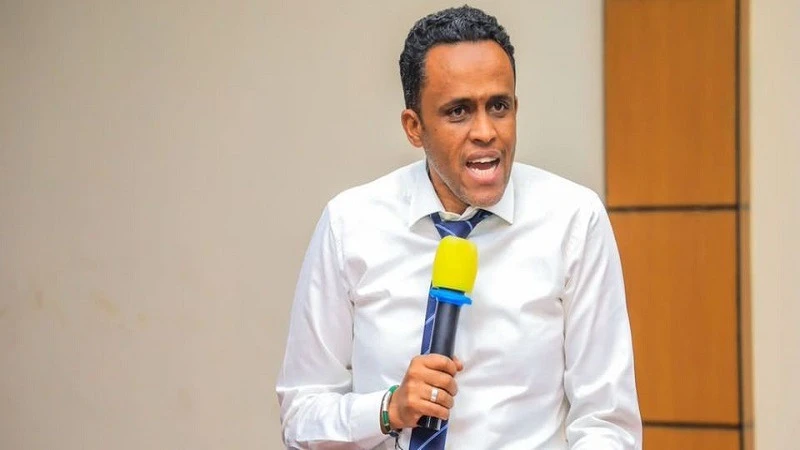
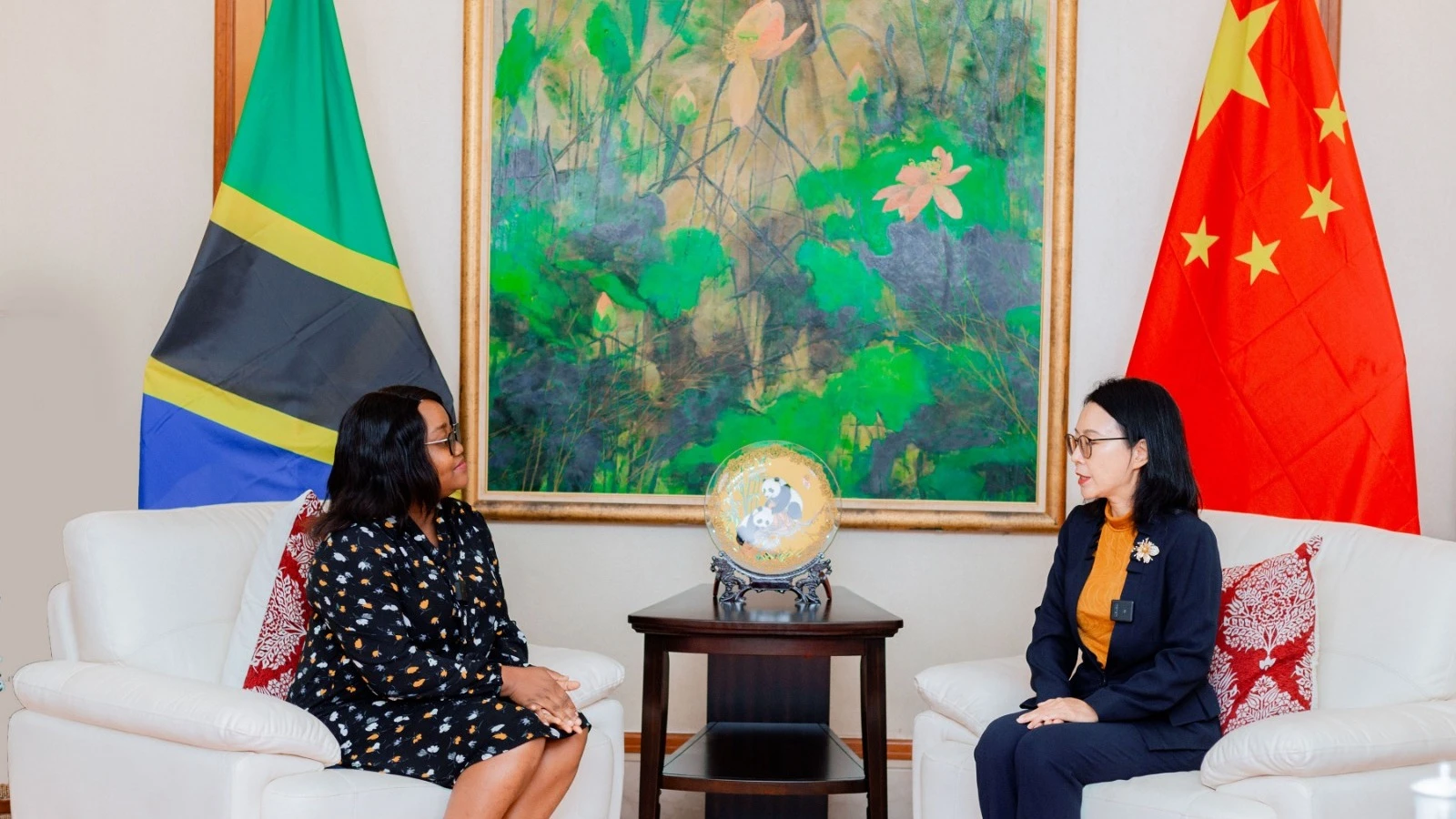
Beatrice Kisoka(pictured) is Head of Private Banking, Stanbic Bank Tanzania
Top Headlines
Trending Stories















© 2026 IPPMEDIA.COM. ALL RIGHTS RESERVED