




Zanzibar steps up efforts to expand access to clean, safe drinking water
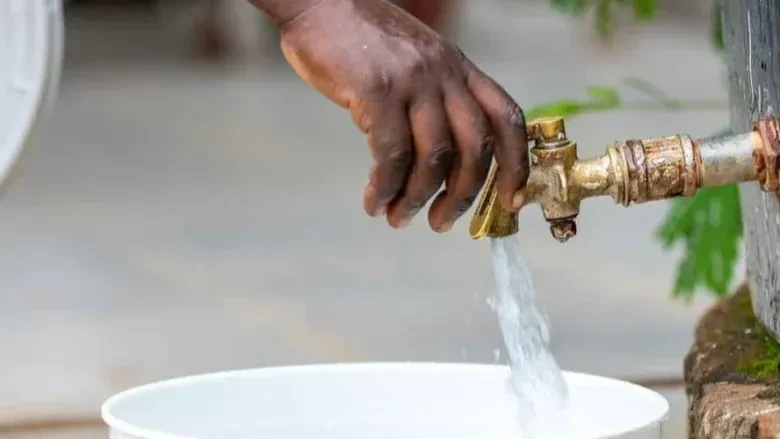
THE government of Zanzibar in partnership with non-governmental organisations (NGOs) and development partners has intensified efforts to ensure that citizens across Unguja and Pemba have reliable access to clean and safe drinking water.
Speaking yesterday during the distribution of modern water purification devices known as tAB Cap-Type Water Purifiers, Registrar of Civil Society Organisations in Zanzibar, Ahmed Khalid Abdulla, said the government remains firmly committed to improving water access for all residents.
He stressed that safe water is essential to human life, disease prevention and community wellbeing, noting that government efforts are being reinforced through policy reforms, an enabling regulatory environment and close collaboration with development stakeholders.
“Without clean and safe water, it is impossible to talk about good health, human development or community prosperity,” Abdulla said. “That is why the Zanzibar government continues to open its doors to NGOs and development partners to work together in addressing water challenges sustainably.”
Abdulla noted that the initiative comes at a critical time as Zanzibar approaches the rainy season, a period often associated with water contamination, outbreaks of water- and food-borne diseases, and heightened health risks for vulnerable groups such as children, older people and those with special needs.
He said the correct use of the water purification devices could significantly reduce the incidence of illnesses linked to unsafe water, including diarrhea, cholera, typhoid fever and other gastrointestinal infections.
“Proper use of these devices can play a vital role in preventing disease outbreaks caused by unsafe water and food,” he added.
The Registrar reaffirmed the government’s commitment to maintaining a supportive and enabling environment for NGOs, particularly those operating in critical sectors such as water, health, education and social welfare.
He described civil society organisations as strategic partners in national development, especially in communities facing persistent socio-economic challenges.
“The presence of NGOs is a valuable opportunity for the government. They provide practical support at community level and help bridge development gaps,” he said, pledging continued cooperation to ensure such organisations can operate effectively.
Explaining the technology behind the water purifiers, Kim Jong Ho, director of Korea Culture Master, said the devices are designed to filter water contaminated with dirt and microorganisms, making it safer for human consumption, although boiling water remains the most recommended method.
He said the purifiers were being distributed free of charge to targeted communities as part of a joint initiative by tAB, Korea Culture and the Korea International Cooperation Agency (KOICA) to improve the welfare of Zanzibar residents.
The inventor of the device from T.A.B Ltd, Oh Hwan Jong, urged beneficiaries to take good care of the equipment and strictly follow usage guidelines, including timely replacement of filters.
“This machine is an example of affordable, appropriate technology that can be used across Tanzania,” he said. “We urge users to maintain it properly and use it as instructed to achieve the intended health benefits.”
Top Headlines
Trending Stories






© 2026 IPPMEDIA.COM. ALL RIGHTS RESERVED