




Green coffee market up despite yield declines, export pressures
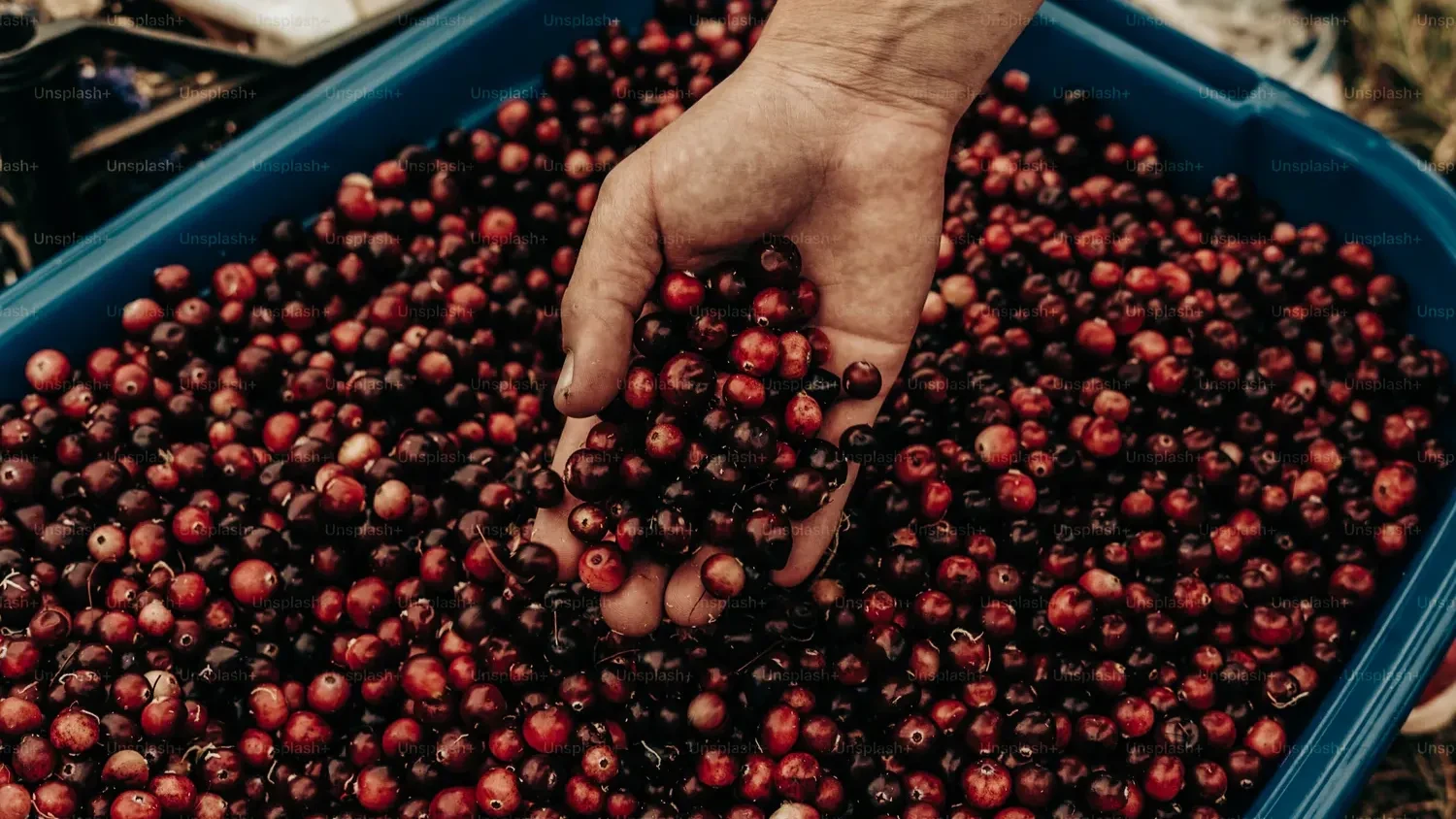
TANZANIA’S green coffee market continued its recovery in 2025, recording its third consecutive year of growth, driven by rising domestic consumption and expanding export destinations even as production faced mounting pressure from declining yields and volatile global conditions.
According to a 2026 market analysis by IndexBox, the value of Tanzania’s green coffee market rose in 2025, marking a sustained rebound after three years of contraction. Consumption reached its highest level during the review period, underscoring coffee’s enduring role in the national economy and export portfolio.
However, while market demand strengthened, production performance remained mixed. In value terms, green coffee output declined in 2025 compared to the previous year, following a peak recorded in 2023. Analysts attribute the slowdown largely to a sharp contraction in average yields, which fell significantly in 2025 despite the wider adoption of modern farming techniques.
IndexBox data shows that Tanzania’s average green coffee yield has remained below historic highs recorded in 2012, with adverse weather conditions continuing to undermine productivity. The report warns that climate variability may further constrain future yields, even as investment in improved agronomic practices increases.
By contrast, the harvested area under green coffee cultivation expanded modestly in 2025, reflecting continued farmer interest in the crop. Over the past decade, Tanzania’s coffee-growing area has grown steadily, although fluctuations have been recorded, particularly after 2021.
Tanzania’s green coffee exports declined in volume terms in 2025 after peaking in 2023, yet overall export performance remained resilient. Over the longer term, exports have posted pronounced growth, reinforcing Tanzania’s position as a key supplier in global coffee markets.
Italy, Japan and Switzerland remained the leading destinations for Tanzanian green coffee by volume, jointly accounting for a substantial share of total exports. Other significant markets included Germany, the United States, France, Belgium, Morocco, the Netherlands, India, Russia and Israel.
In value terms, Japan, Italy and Germany emerged as the most lucrative markets, reflecting premium pricing for Tanzanian coffee in quality-sensitive destinations. India recorded the fastest growth rate in export value over the review period, signalling rising demand in emerging markets beyond Europe and North America.
The average export price of Tanzanian green coffee increased in 2025 compared to the previous year, although prices remained below the historic peak recorded in 2012. Price variations were notable across markets, with Japan offering the highest average prices, while exports to India attracted comparatively lower returns.
Industry observers say the price recovery reflects improving quality standards and sustained global demand, but caution that market volatility and logistics disruptions continue to pose risks.
On the import side, Tanzania’s purchases of green coffee fell for the second consecutive year in 2025, following a sharp surge that peaked in 2022. Burundi and Uganda remained the main suppliers, with Uganda recording the strongest growth in import value over the review period.
The average import price rose in 2025, continuing a longer-term upward trend, although prices have yet to regain the highs seen before 2020.
The IndexBox report further states that while Tanzania’s green coffee subsector shows strong market fundamentals, long-term growth will depend on addressing yield constraints, strengthening climate resilience and improving productivity at farm level.
Top Headlines
Trending Stories



















© 2026 IPPMEDIA.COM. ALL RIGHTS RESERVED