




Kiswahili regional body scans future role as it marks 10 years
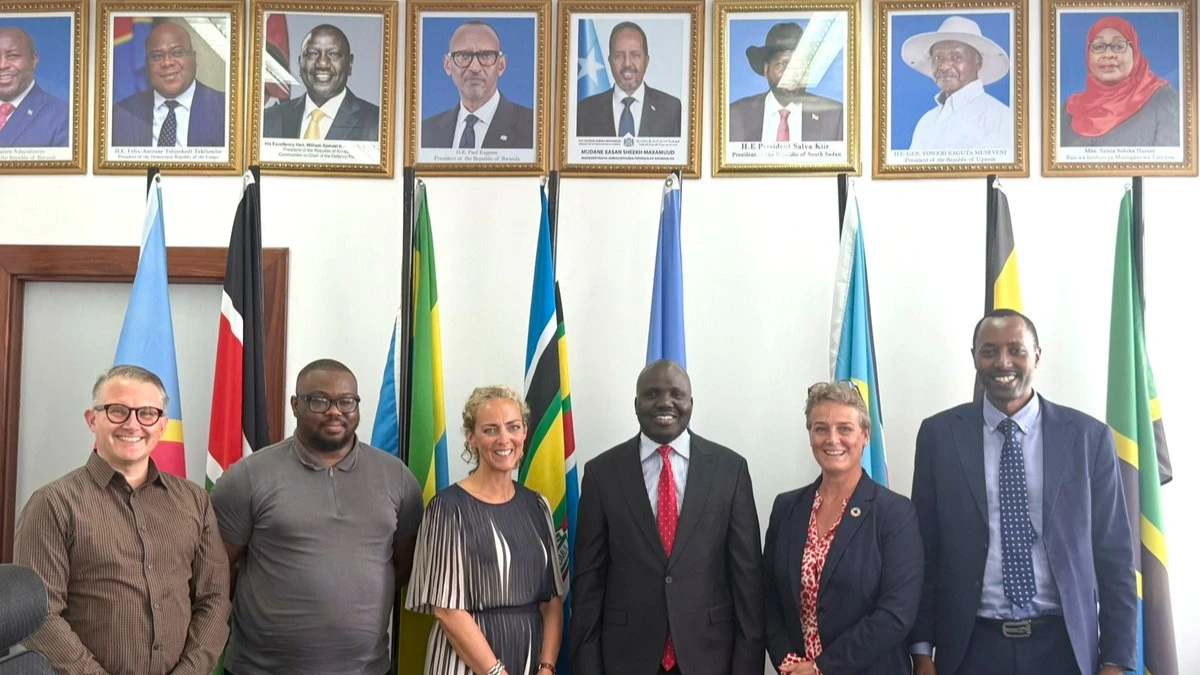
OVER the past decade, Kiswahili has increasingly emerged as a soft infrastructure for regional integration, enabling citizens across the East African Community (EAC) partner states to engage more meaningfully in cross-border trade, labour mobility, cultural exchange and public participation in the regional integration agenda.
The East African Kiswahili Commission (EAKC), marking a decade of operations, said in a statement by the Executive Secretary Dr Caroline Asiimwe on Tuesday that the ten year anniversary provides an opportunity to reflect on past achievements, reassess policy as well as institutional and technological gaps that could limit the language’s role in the digital era.
It registered progress in standardising and mainstreaming Kiswahili within EAC institutions and the partner states, while, beyond the region, EAKC strengthened cooperation with the African Union (AU), the Southern African Development Community (SADC) and the United Nations Educational, Scientific and Cultural Organisation (UNESCO), contributing to the language’s growing continental and global profile, the statement affirmed.
As digital technologies, including artificial intelligence, expand rapidly, there is a growing need to ensure Kiswahili is embedded in digital platforms, data systems and emerging technologies to prevent linguistic exclusion and widen access to public services and knowledge, it affirmed.
Kiswahili contributes directly to several sustainable development goals (SDGs), including education, health, climate action and reduced inequalities, positioning it as a key enabler of inclusive and people-centred development in East Africa, the commission declared.
Planned anniversary activities include a high-level address, keynote lectures, policy dialogues, institutional impact assessments, exhibitions, cultural performances and the recognition of partner states and stakeholders who have advanced the use of Kiswahili, it said.
Expected outcomes include renewed political and institutional commitment to Kiswahili, the formulation of a ten-year strategic roadmap for the language within the EAC, stronger partnerships and the issuance of a policy brief to guide future regional action, it explained.
“As digital transformation and artificial intelligence reshape governance, education and economic systems across East Africa, the future positioning of Kiswahili in the digital age has to take centre stage in policy discussion,’ it said.
The big event is slated for February 14 at the commission’s premises in Zanzibar, focusing on how Kiswahili can be effectively integrated into digital governance, education systems, innovation ecosystems and development planning, it elaborated.
Ensuring the language remains relevant and competitive in knowledge-based economies increasingly driven by technology is the key issue, with the milestone event coming at a critical moment in pursuing deeper regional integration alongside rapid digitalisation of public services and economic activity, it further noted.
Established as a specialised institution of the EAC and operational since July 2015, the EAKC has spent the past ten years coordinating the development and promotion of Kiswahili as a unifying regional language and a strategic tool for integration and sustainable development.
The celebrations are placed under the theme “A decade of Kiswahili: Strengthening integration, innovation and sustainable development in the EAC,” highlighting the language’s evolving role beyond communication to include economic cooperation, digital inclusion and social cohesion, the statement added.
Top Headlines
Trending Stories











© 2026 IPPMEDIA.COM. ALL RIGHTS RESERVED