




Tanzania’s turning tide: The journey towards zero tolerance for FGM
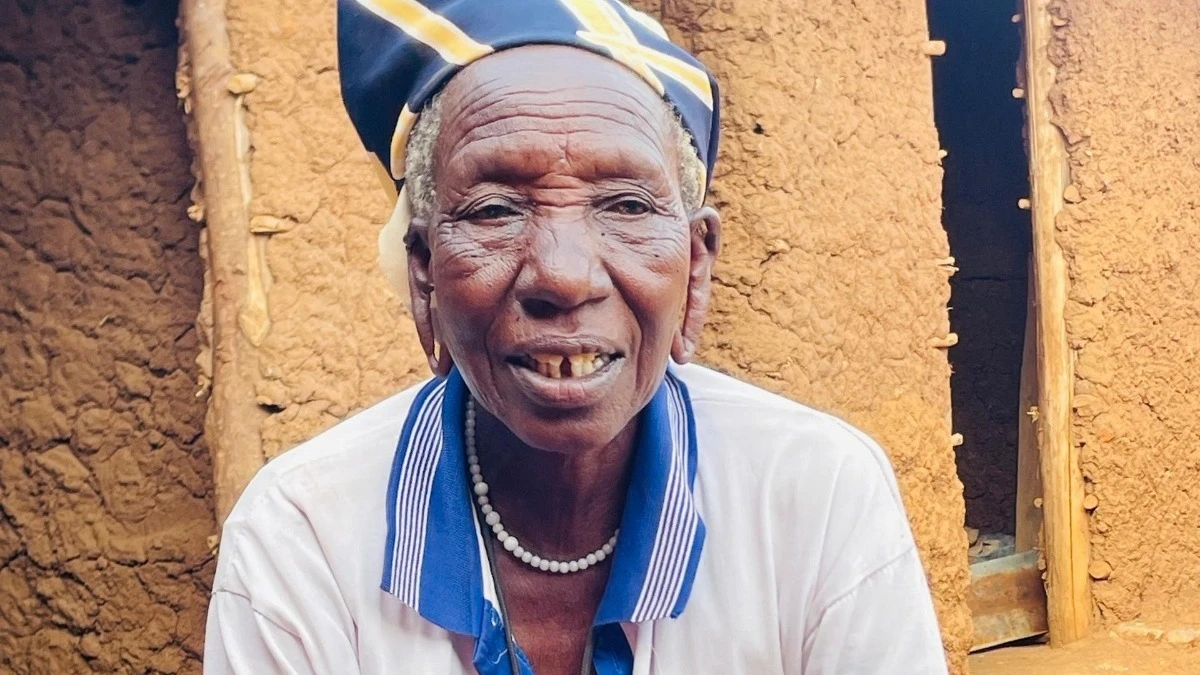
On 6 February each year, the world observes the International Day of Zero Tolerance for Female Genital Mutilation (FGM). This commemoration serves as a vital platform to evaluate the steps taken in the fight against the practice, the challenges that continue to emerge, and the strategies required to achieve the goal of total elimination.
The day is a cornerstone of the global struggle to protect the rights, health, and dignity of girls and women. In Tanzania, the observance remains an important reminder that, despite significant achievements, FGM remains a challenge that requires sustained national and international solidarity.
According to the 2022 Tanzania Demographic and Health Survey (TDHS), eight percent of women aged 15 to 49 in the country have undergone FGM. The most common type involves the excision of flesh, which accounts for 89 percent of all cases. Geographically, rates of FGM vary greatly; Zanzibar has a rate of less than one percent, while Mainland Tanzania averages nine percent.
At the regional level, Manyara and Arusha lead with high rates of up to 43 percent, while other regions record rates of less than one percent. In the case of girls under the age of 15, the TDHS shows that one percent have already undergone the procedure. Although these figures may appear small, the risk remains significant.
Furthermore, the report states that 20 percent of women who underwent FGM were subjected to it at the age of 15 or older, indicating that the practice can be performed well into adulthood. Areas such as Dodoma, Manyara, Kilimanjaro, Mara, and Singida continue to be cited as communities that most strictly adhere to these oppressive traditions. However, public awareness has increased significantly; approximately 87 percent of women and 90 percent of men aged 15 to 49 are now aware of the harmful effects of FGM, contributing to a vital shift in societal attitudes.
Dr Anna Henga, the Director of the Legal and Human Rights Centre (LHRC), explains that ten years ago, approximately 18 percent of women in the country were undergoing FGM. Through sustained educational campaigns regarding the medical, psychological, and social consequences, this rate has dropped to 8.2 percent.
She notes that even in regions that historically led with high prevalence, including Manyara, Dodoma, Singida, Kilimanjaro, and Mara, positive changes are beginning to emerge. The LHRC, in collaboration with other stakeholders, has been providing education to rural and urban communities, coordinating networks to combat gender-based violence, and taking legal action against perpetrators.
Civil society organisations continue to be key players in this struggle. The Tanzania Ending Child Marriage Network (TECMN), coordinated by the Children’s Dignity Forum (CDF), aims to promote collective efforts to eliminate child marriage and related practices, including FGM. The Network’s Director, Koshuma Mtengeti, says TECMN actively participates in East African and Pan-African platforms, helping countries share experiences and perspectives in the fight against oppressive traditions.
He notes that the network works closely with the Government, local religious and traditional leaders, and the women and girls directly affected. From 2015 to the present, TECMN and CDF have used the media as a strategic tool for advocacy to raise the voices of girls, publicly condemn the practice, and push for legal reforms, including the amendment of the Law of Marriage Act 1971.
In the area of adolescent reproductive health, more than 110,000 young people have received services to prevent sexually transmitted diseases and HIV through health centres and community platforms. Koshuma explains that HIV testing for young people aged 15 to 19 in the Tarime District doubled between 2021 and 2025, while new infections decreased by 68 percent.
Additionally, teenage pregnancies decreased by 15 percent during the same period. These efforts have also contributed to the economic empowerment of girls and young mothers, while engaging men and boys in the mission to challenge oppressive traditions. On the justice front, child-friendly systems have been strengthened through the renovation of gender and children’s desks, alongside the implementation of digital systems for reporting incidents of violence.
International organisations, including UNFPA, UNICEF, and the World Health Organization (WHO), state that despite progress made since 2008, more than 230 million girls and women globally still live with the effects of FGM. A WHO report shows that approximately four million girls are circumcised each year, more than two million of whom are under the age of five.
To achieve the Sustainable Development Goals (SDGs) target of eliminating FGM by 2030, the rate of decline must increase 27-fold. The cost of treating the health effects of FGM is estimated at 1.4 billion dollars per year, yet every one dollar invested in elimination generates a return of ten dollars.
In 1998, the Tanzanian government passed a law criminalising female genital mutilation. Since then, the incidence has decreased from 18 percent to approximately 10 percent. Many girls are now being introduced to alternative methods of initiation, and incidents of FGM are increasingly addressed by state agencies following specialised training for law enforcement officers.
The National Action Plan to End Violence against Women and Children (NPA-VAWC) emphasises that FGM significantly affects physical, psychological, and reproductive health, leading to complications during childbirth and risks of maternal and infant mortality. The Ministry of Community Development, Gender, Women and Special Groups, in collaboration with development stakeholders, has now launched regional campaigns to combat these acts of violence.
From 18 percent to 8.2 percent, Tanzania has made notable progress.
However, behind these statistics remain girls who are denied their right to safety and dignity, especially in border areas and communities holding onto oppressive traditions.
The observance of this international day is a call to strengthen cooperation, increase investment, and accelerate action, because every girl protected today is a victory for future generations.
Top Headlines
Trending Stories




© 2026 IPPMEDIA.COM. ALL RIGHTS RESERVED