




Cancer cases surge in Zanzibar as experts warn high-risk groups
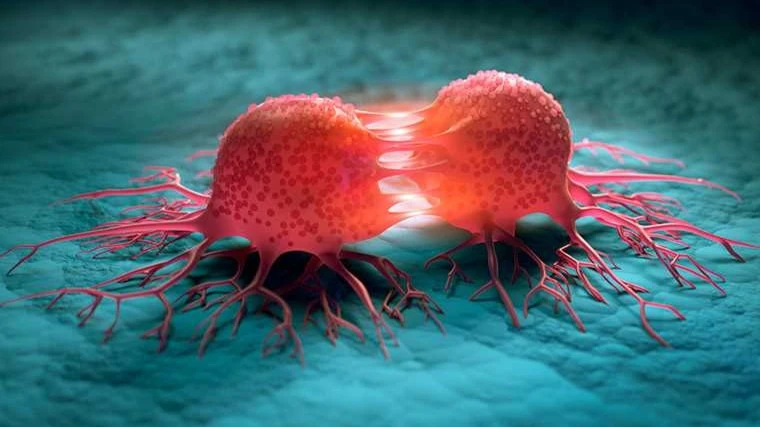
ZANZIBAR recorded 1,533 cancer cases and 400 deaths over the past five years, highlighting a growing public health challenge, officials say.
Dr Omar Mohammed Suleiman, the head of the non-communicable diseases (NCDs) unit in the Zanzibar Health ministry, said at a briefing during World Cancer Day commemorations here yesterday that across Tanzania, around 40,000 people are diagnosed with cancer annually, making the disease one of the leading causes of death.
The more common cancers in Zanzibar include breast, cervical, prostate, brain and tissue cancers, where people need to overcome stigma surrounding the disease since fear and social barriers often delay early screening and treatment, he said.
“Early detection saves lives. People should not be afraid to seek medical care when they notice unusual symptoms,” he urged, affirming that certain groups are considered particularly vulnerable to colorectal cancer, depending on various behavioural forms of exposure.
Khadija Mzee Khatib, a coordinator at the unit, said that the colorectal cancer risk is linked to inflammation and infections in the large intestine, as exposure increases chances of infection with high-risk viruses, including human papilloma virus (HPV) which is closely associated with certain types of cancer.
“Infections and inflammation in the colon can lead to cellular changes that, if left unchecked, may develop into cancer,” she said, stressing that high-risk individuals need to take precautions and undergo regular screenings.
The Zanzibar ministry has an ongoing public education campaign which focuses on recognising early warning signs such as blood in the stool, persistent abdominal pain and changes in bowel habits, she remarked.
The rising numbers and growing awareness underscore the urgent need for preventive measures, timely medical intervention and community engagement to reduce cancer-related deaths, she emphasized.
Dr Omar affirmed that preventive care and regular screening are essential. By addressing stigma and encouraging early diagnosis, medics can save many lives and improve health outcomes across Zanzibar, he added.
Top Headlines
Trending Stories


















© 2026 IPPMEDIA.COM. ALL RIGHTS RESERVED