




Deliver climate change findings to stakeholders, COSTECH told

THE Tanzania Commission for Science and Technology (COSTECH) needs to develop a straightforward system for delivering research findings to relevant ministries and other institutions so that the results can be applied to address challenges arising from climate change.
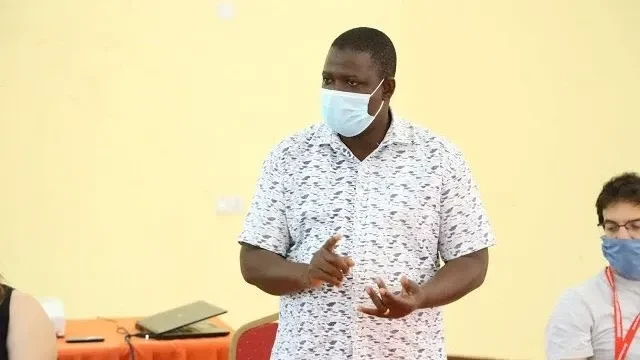
Prof. Daniel Mushi, the Education, Science and Technology deputy permanent secretary in charge of higher education, made this observation at the opening session of the first annual research development meeting under the climate change research programme in the capital yesterday.
He said that research findings are vital in helping the government and related institutions find solutions to various challenges, including periodic damage to infrastructure arising from climate change.
The responsibility of researchers and stakeholders in the science sector should not end with meetings and publications but closely monitor that research results are effectively applied for the public benefit, he emphasized.
“We should not stop at this meeting but seek to be accountable to citizens by providing research findings and guiding their proper application,” he stated, underlining that climate change is a global crisis with significant impacts on all countries, threatening agricultural productivity in particular.
Climate change increases the costs of disaster response and infrastructure maintenance, taking away resources that could otherwise be invested in education, health or other development priorities.
Addressing climate change challenges requires in-depth research to improve government policies and strategies, thus climate change research increasing academic knowledge has to focus primarily on solving real problems.
The climate research programme involves 20 universities and research institutions across the country, so far receiving a total of 14.5bn/- , of which 12.1bn/- has been disbursed for 39 research projects focused on climate change challenges in agriculture, natural resources, health, energy, water and other social and economic systems, he elaborated.
The government has high expectations for researchers who received these funds and anticipates that 34 of these projects will present their findings at the meeting, he said, appealing to COSTECH to ensure proper management of research funds, while coordinating the delivery of findings to all stakeholders.
Researchers need to ensure their studies are aligned with national priorities and involve citizens, officials and policymakers at all stages of research, not waiting until the end of a project to present results through a specialized publication.
Dr Amos Nungu, the COSTECH director-general, said that the programme has so far involved 12 universities and a non-governmental organisation, with up to 200 researchers and 90 students participating.
He expressed gratitude to the Swedish International Development Cooperation Agency (SIDA) and its Norwegian counterpart for their significant collaboration in facilitating the implementation of the programme.
Dr Johanna Variandek, a SIDA executive, said the embassy would collaborate with the government to ensure that the studies are effectively conducted.
Top Headlines
Trending Stories



















© 2026 IPPMEDIA.COM. ALL RIGHTS RESERVED