




Illicit alcohol: Govt short of answers on 1trn/- revenue losses
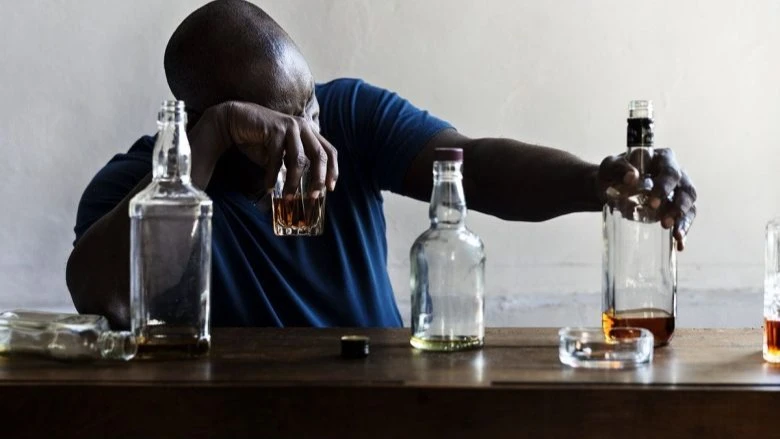
THE government and industry stakeholders are seeking answers for the prevalence of illicit alcohol posing a major threat to public health, while the government loses up to 1.026trn/- yearly in uncollected beverages taxes.
A study conducted by Euromonitor International at the bequest of the Confederation of Tanzania Industries (CTI) and Serengeti Breweries Ltd (SBL) compares current findings with 2017 data, when illicit alcohol accounted for 55 per cent of total consumption. It also examines the sources and dynamics of illicit alcohol trade in the country.
Dennis Londo, Industry and Trade deputy minister, said at a function devoted to the study, that the situation raises urgent challenges that require coordinated action. “The loss of more than 1trn/- every year due to illicit alcohol undermines the government’s ability to finance essential social services and protect the health of citizens,” he stated.
This study provides critical evidence to guide policy decisions and strengthen collaboration between the government and stakeholders, he said, as the research team showed how massive revenue loss is driven by illegal artisanal brews, which alone account for an estimated 709bn/- in lost taxes.
Additional losses stem from counterfeit alcohol, smuggled products and tax leakage, where excise duties are either underpaid or completely evaded, with CTI executive director Leodegar Tenga affirming that the lack of reliable data on illicit alcohol was a key motivation for commissioning the study as the trade operates largely outside formal systems.
“Without credible data, it is difficult to design effective interventions. This study was commissioned to close the information gap, reveal the true scale of the problem and support the government and stakeholders in taking evidence-based action,” he stated.
Euromonitor International consultant Benjamin Rideout said the study employed a mixed-methods research approach to accurately reflect market realities, explaining the robustness of the findings,
“Because illicit alcohol is not captured in official systems, we relied on extensive field research, stakeholder interviews and consumer surveys to build a comprehensive and comparable picture of the market over time,” he elaborated.
From the private sector perspective, Serengeti Breweries said its collaboration with CTI reflects a commitment to consumer protection and fair competition.
Obinna Anyalebechi, the group managing director, said that illicit alcohol endangers lives, erodes government revenue and undermines businesses that comply with the law. “Our participation in this study supports evidence-based dialogue and the development of sustainable solutions,” he stated.
Although many consumers are aware of the health risks associated with illicit alcohol, factors such as lower prices, easy access through informal channels and social acceptance drive consumption, he said.
To address the problem, the study recommends strengthening ethanol regulation, enhancing border and internal enforcement, increasing consumer awareness and expanding the use of technology—such as tax stamp verification systems—to curb the illicit alcohol trade.
Illicit alcohol includes products for which excise and other duties have not been paid, alcohol lacking mandatory health permits and products that fail to meet local legal and production standards, including the use of approved ingredients, the study noted.
Illicit alcohol also encompasses informal distribution through unlicensed outlets, which in developing countries represents a significant share of the alcohol market across categories.
Beyond economic losses, illicit alcohol poses serious risks to consumer health. Unsafe production methods and the potential contamination of products with toxic substances significantly heighten health hazards. These risks have intensified as the illicit alcohol market grows faster than the legal alcohol sector, the research team noted.
Top Headlines
Trending Stories















© 2026 IPPMEDIA.COM. ALL RIGHTS RESERVED