




DCEA: Stigma remains major barrier to addiction recovery
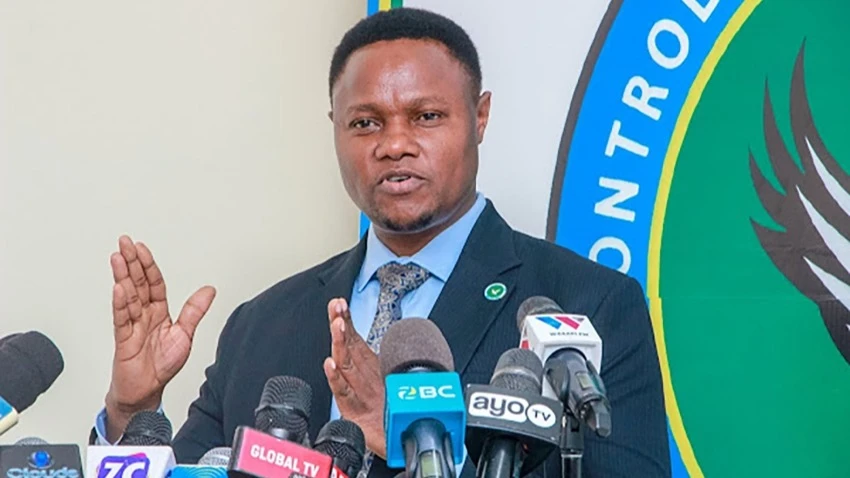
AS Tanzania confronts a steady rise in drug and alcohol addiction, stigma remains one of the biggest obstacles preventing people from seeking treatment.
Commissioner General of the Drug Control and Enforcement Authority (DCEA), Aretas Lyimo made the statement in Dar es Salaam recently, underscoring the need for concerted efforts to address substance use as a public health issue rather than a crime.
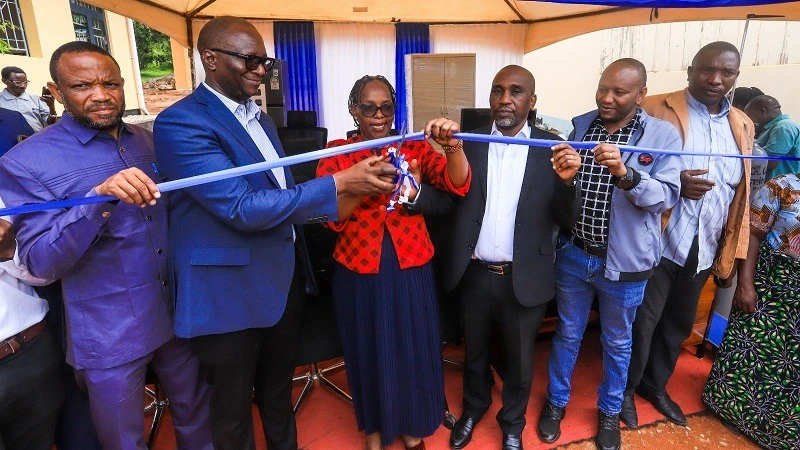
“Enforcement alone is not enough. Recovery, treatment and reintegration are critical if we are to reduce relapse and the social harm linked to drugs and alcohol,” said Lyimo when speaking at the opening of a new rehabilitation centre in Kigamboni.
He said the facility, established by the Pilli Missanah Foundation (PIMIFO) reflects a broader national shift toward recovery-focused responses to addiction. He emphasized that law enforcement alone cannot solve the problem
Tanzania, like many countries in East Africa, continues to grapple with substance abuse involving alcohol, heroin, prescription medications and emerging synthetic drugs, he added.
Lyimo noted that urban areas and coastal regions have been particularly affected, driven by drug trafficking routes, youth unemployment and shifting social norms.
Health specialists warn that when addiction goes untreated, the consequences extend far beyond the individual, placing strain on families, healthcare systems and national productivity.
In response, DCEA boss said the government has expanded public awareness campaigns, strengthened community-based interventions and encouraged collaboration with private and non-state actors to improve access to care.
PIMIFO Managing Director, Pilli Missanah said the facility is designed to address persistent gaps in treatment, especially fear of exposure and social judgment. The foundation has provided rehabilitation services in Tanzania for over a decade.
“Stigma remains a major barrier to seeking help. Many people delay or avoid treatment because they fear being labelled or judged. Creating respectful, confidential and supportive treatment environments is essential to improving public health outcomes,” said Missanah.
The centre offers residential rehabilitation, counselling and wellness services, and is intended to complement existing government and faith-based programmes rather than replace them.
Across East Africa, policymakers and service providers are increasingly recognizing addiction as a chronic health condition that requires sustained care, social support and coordinated policy responses.
Greater emphasis is now being placed on prevention, early intervention and rehabilitation alongside law enforcement.
Observers note that the opening of more rehabilitation facilities signals a gradual but important change in public attitudes—acknowledging that addiction is not merely a moral failing or criminal issue, but a complex health challenge that demands compassion, education and long-term solutions.
Top Headlines
Trending Stories










© 2026 IPPMEDIA.COM. ALL RIGHTS RESERVED