




Breaking the silence behind the stage: Women step into power in East Africa’s creative industry
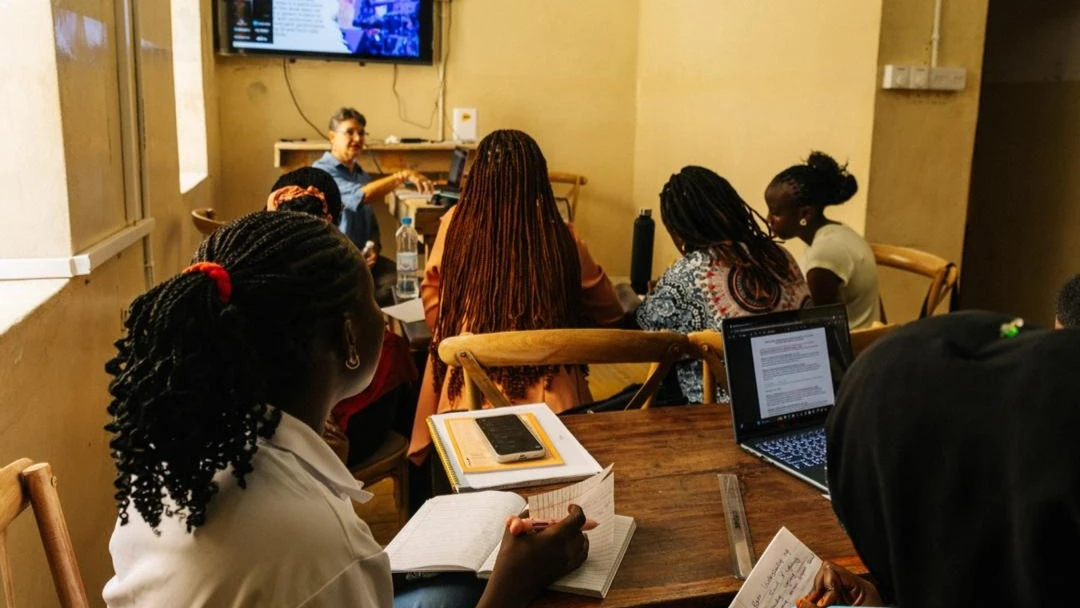
WHILE audiences were captivated by electrifying performances and vibrant rhythms, a quieter revolution was unfolding backstage. In spaces traditionally dominated by men, sound desks, stage management booths and production control areas — women were steadily taking up ground long denied to them.
Across Tanzania and Kenya, a growing movement is reshaping the creative industry from within by equipping women with technical skills, leadership experience and, perhaps most importantly, the confidence to claim space. What unfolded during a recent major regional music gathering was not merely an artistic showcase, but a deliberate shift in who holds power behind the scenes.
This transformation became visible during the recent Sauti za Busara festival in Zanzibar, where an embedded initiative known as Gender@Work operated within the live festival environment. Rather than running parallel workshops detached from reality, the programme was integrated directly into preparations and performances, allowing women to gain hands-on experience in real-time production settings.
Sauti za Busara, widely regarded as one of Africa’s most respected music festivals, provided a high-pressure, professional platform that exposed participants to international standards of stage coordination, teamwork and technical execution. Within this setting, women from Bagamoyo, Dar es Salaam, Zanzibar and Kenya worked alongside experienced crews during rehearsals and live shows.
For decades, women in the creative sector have largely been visible as performers, singers, dancers and entertainers — while technical and decision-making roles remained overwhelmingly male. Sound engineering, lighting design, production coordination and stage management were often viewed as physically demanding, highly technical domains unsuitable for women. Those stereotypes have proven stubborn.
Through an initiative embedded directly into a live festival working environment, women creative from Bagamoyo, Dar es Salaam, Zanzibar and Kenya were given hands-on access to the technical backbone of large-scale productions. Instead of classroom theory, participants worked alongside professional teams during rehearsals, stage set-ups and live performances. The learning was immediate, practical and immersive.
Several participants described how stepping into backstage roles dismantled internalised doubts. Some had never imagined themselves near a sound console or coordinating stage transitions. Others admitted they had previously accepted the invisible boundary between “women’s roles” and “technical roles” as fixed.
Working directly within a professional production setting shifted those perceptions. Participants gained foundational knowledge in sound systems, stage logistics and team coordination, while also witnessing the discipline and precision required to deliver seamless performances. The experience demonstrated that technical mastery is not defined by gender, but by training and opportunity.
The programme also created a rare regional exchange, bringing together women from different cultural and national contexts who discovered that the barriers they face are strikingly similar. Limited access to technical training, exclusion from leadership spaces, lack of mentorship and persistent gender bias were common themes in their discussions.
The cross-border dialogue proved as valuable as the technical training itself. By sharing experiences, participants recognised that their struggles were not isolated incidents but part of a broader structural imbalance within the industry. That realisation fostered solidarity and collective resolve.
Industry observers note that increasing women’s participation in technical and leadership roles is not only a matter of fairness but of creative strength. When decision-making spaces lack gender diversity, artistic production loses perspectives that shape storytelling, sound design and audience engagement. Inclusive teams often produce more innovative and reflective work.
The learning was immediate and practical. Participants were introduced to the basics of sound engineering, stage transitions, backstage coordination and production management. For many, it was their first time handling equipment, communicating through headsets or managing the rapid shifts that define live performance environments.
Beyond technical skills, the experience challenged long-held assumptions about where women belong in the creative ecosystem. Several participants acknowledged that they had internalised the belief that technical roles were “not for women”. Being trusted with responsibility during a major regional festival disrupted that narrative.
The regional composition of the programme also created space for cross-border exchange. Women from Kenya and Tanzania found that the obstacles they encounter — limited access to training, exclusion from technical teams, and lack of mentorship — are strikingly similar. These shared experiences fostered solidarity and a sense of collective momentum.
At the centre of the initiative is a long-standing commitment to mentoring young women within creative ecosystems. For over a decade, sustained efforts have focused on bridging the gender gap in areas such as sound engineering, stage management and production leadership across multiple countries. The approach emphasises practical engagement rather than symbolic inclusion.
Importantly, the initiative avoids positioning women merely as beneficiaries of empowerment rhetoric. Instead, it treats them as professionals in training — capable of meeting industry standards when given equal access to tools, knowledge and responsibility.
The broader significance extends beyond a single event. East Africa’s creative economy is expanding rapidly, contributing to employment, tourism and cultural diplomacy. Yet growth without inclusivity risks reinforcing old hierarchies. Ensuring women occupy technical and strategic positions strengthens the sustainability of the sector.
As the final performances concluded and stages were dismantled, what lingered was not only applause but a shift in confidence. Participants left not simply with new skills, but with a reframed sense of belonging within the industry.
The silence behind the stage is gradually breaking. Women are no longer confined to the spotlight alone. They are calibrating sound systems, coordinating complex productions and shaping artistic direction.
Top Headlines
Trending Stories





© 2026 IPPMEDIA.COM. ALL RIGHTS RESERVED