




Green buildings promote the rise of sustainable urbanization in Tanzania
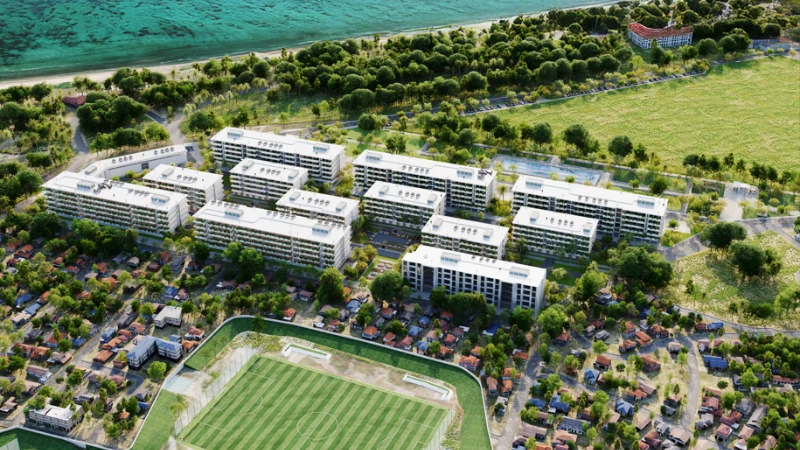
AS Tanzania grapples with one of the fastest urbanization rates in sub-Saharan Africa, a new frontier in construction is emerging.
With a housing deficit of nearly three million units and a rapidly growing urban population—expected to reach 50n percent by 2040—the nation is increasingly turning to "Green Building" technology to ensure future cities are both livable and affordable.
At the heart of this transition is the Excellence in Design for Greater Efficiencies (EDGE), a certification system backed by the International Finance Corporation (IFC). By using data-driven modeling, EDGE allows developers to significantly reduce consumption of electricity, water, and building materials.
As Africa surpassed 10 million square meters of EDGE-certified space in April 2025, Tanzania is well-positioned to lead the East African region in resilient urban growth.
The shift toward sustainable construction is already yielding measurable results. Between 2024 and 2026, Tanzania saw over 75,000 square meters of building space achieve EDGE certification.
Leading the charge are several landmark projects in Dar es Salaam that serve as proof of concept for the economic benefits of green design including CRDB Bank Headquarters, which is the first EDGE-certified building in the country, achieving 21 percent energy savings and 27 percent water savings.
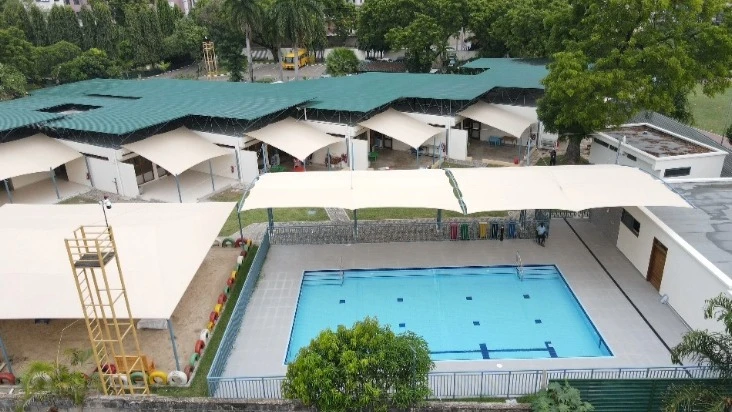
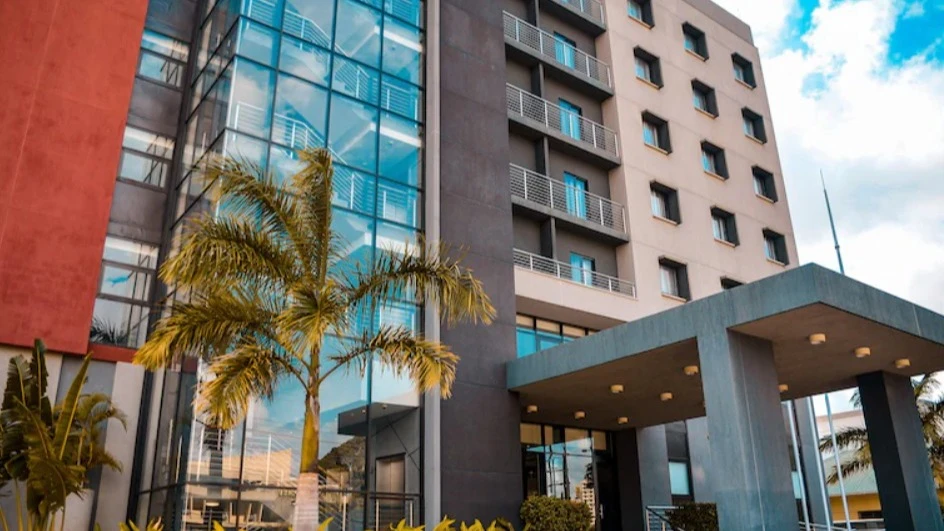
Others are Aga Khan Nursery and Primary School, Tanzania’s first "EDGE Advanced" school. Its refurbished nursery operates on 100 and renewable energy and Crowne Plaza Hotel, which is projecting a massive 59 percent saving in embodied energy of materials, proving that green hospitality is a competitive advantage.
Beyond environmental protection, green buildings are opening doors to new financial markets. Institutions like the Tanzania Mortgage Refinance Company (TMRC) and CRDB are exploring sustainability-linked lending and green mortgages.
According to Kushinga Kambarami, Africa’s Lead for Green & Resilient Built Environments, certification provides the "global credibility" investors need. "Investors seeking climate-aligned opportunities value the transparency and performance assurance that certification offers," Kambarami noted in a recent report.
Tanzania has pledged to reduce greenhouse gas emissions by 10 percent to 20 percent by 2030. Experts argue that the building sector is the most cost-effective way to hit these targets.
However, for green buildings to move from "niche" to "norm," several hurdles remain including Improving climate-data granularity for better building modeling, Expanding the number of local professionals trained in green certification and Integrating EDGE standards with national ESG (Environmental, Social, and Governance) and housing policies.
Top Headlines
Trending Stories














© 2026 IPPMEDIA.COM. ALL RIGHTS RESERVED