




Dar Property demand seen steady in 2026 as prices increasing, analysts warn of FX risks
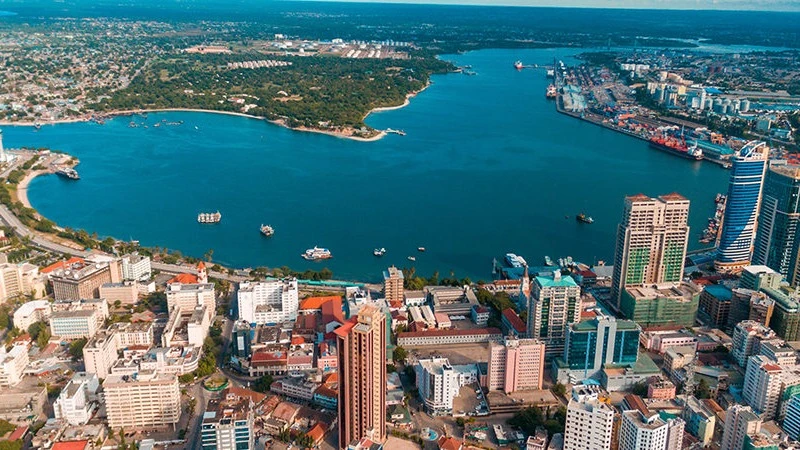
Demand for residential property in Dar es Salaam is expected to remain stable to moderately positive through 2026, supported by rapid population growth and continued infrastructure upgrades, even as affordability constraints and tight interest-rate conditions limit the pace of expansion in the mortgage market.
Analysts say the outlook for the next 12 months is underpinned by Tanzania’s strong macroeconomic trajectory, with GDP growth projected at around 6 percent, while the Bank of Tanzania’s (BoT) inflation target of 3 to 5 percent is expected to help sustain household purchasing power and keep property sentiment stable.
According to TheAfricanvestor, the market is also expected to benefit from continued transport upgrades, particularly the completion of Bus Rapid Transit (BRT) Phase 2, which is improving mobility and strengthening demand along key residential corridors.
Price outlook: modest gains in 2026
For 2026, the forecast indicates nominal price growth of 3 to 6 percent for well-located properties with clean titles, which translates into broadly flat or slightly positive real growth once inflation is accounted for.
Market players say demand is expected to remain strongest in neighbourhoods where infrastructure access is improving and where formal land titles are clear, as buyers and lenders continue to favour low-risk assets amid financing constraints.
However, analysts caution that the interest rate environment shows no clear signs of significant easing, meaning mortgage accessibility is likely to remain limited.
As a result, the market will continue to rely heavily on cash buyers, diaspora inflows and institutional purchasers, with transactions concentrated in properties that meet formal documentation requirements.
Medium-term outlook
Beyond 2026, the outlook turns more bullish, as over the next three to five years, Dar es Salaam housing prices are projected to appreciate at 5 to 9 percent per year (nominal, compounded), driven by long-term population expansion, continued urbanisation and the city’s entrenched dominance as Tanzania’s commercial capital.
Major projects expected to shape the housing market include the rollout of BRT Phases 3 to 5, which will extend public transport coverage along strategic corridors including Nyerere Road and Bagamoyo Road.
Analysts also expect wider economic spillovers from Standard Gauge Railway (SGR) connections, port expansion and continued commercial development in growth nodes such as Mikocheni and the Kigamboni waterfront.
These projects are expected to influence both land values and residential demand by reducing commute times, opening up new development zones and improving access to employment centres.
Demographics: the strongest driver of price pressure
The analysis identifies demographics as the single most powerful force pushing Dar es Salaam housing prices upward.
The city’s population is growing at nearly 5 percent annually and is projected to exceed 13 million by 2035, creating persistent demand pressure that continues to outpace the supply of formal housing.
Key demographic forces include accelerating rural-to-urban migration of young job seekers, rising household formation as young adults establish independent homes, and the steady expansion of a middle class in sectors such as banking, telecoms and professional services.
Tanzania’s median age of about 17.5 years is also highlighted as a structural factor sustaining long-term housing demand, as a youthful population translates into decades of new household creation.
Transport upgrades, building costs and prime rentals
Beyond demographics, prices are being supported by improved transport infrastructure, especially BRT upgrades that reduce commuting friction and make previously distant suburbs more attractive.
At the same time, prices are being pushed by rising construction costs, particularly for cement, steel and imported finishes, which increase replacement costs for quality housing.
The analysis also notes that steady demand from the NGO and diplomatic community continues to anchor the prime rental market, supporting investor interest in high-end property even when local affordability is strained.
FX shock and imported inflation risks
While the outlook is positive, analysts warn that Dar es Salaam’s housing market remains vulnerable to external shocks.
The outlook is based on macroeconomic projections from the IMF and the Bank of Tanzania Monetary Policy Report, supported by trend analysis and institutional forecasts from the African Development Bank.
The most likely trigger for a downturn in 2026 would be a foreign exchange shock combined with imported inflation, which would raise construction and maintenance costs while simultaneously weakening buyer purchasing power.
Such a shock could also force tighter credit conditions, reducing mortgage access further and slowing transactions.
Early warning signals would include sustained weakening of the shilling beyond 2,600 per US dollar, rising mortgage delinquency rates reported by TMRC, a noticeable increase in “price reduced” listings in prime neighbourhoods, and developers delaying or cancelling new projects due to cost uncertainty.
In a downside scenario, analysts estimate prime property prices could decline by 10 to 20 percent over 18 to 24 months, with the luxury and expat-dependent segment suffering most. Mass-market housing in areas with strong local demand fundamentals would likely soften less and recover faster.
Top Headlines
Trending Stories















© 2026 IPPMEDIA.COM. ALL RIGHTS RESERVED