




Board now bans cashewnut buyers from farms in Tanga
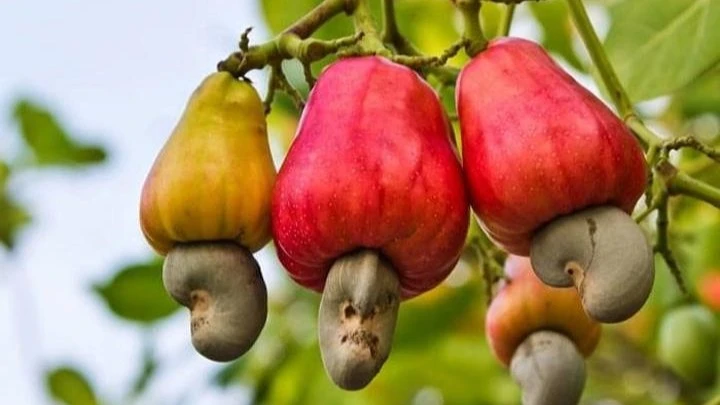
THE Cashewnut Board of Tanzania (CBT) has banned informal cashew nut buyers in Tanga Region from entering farmers’ fields to purchase the crop, warning that the practice undermines the formal marketing system.
The buyers, commonly known as kangomba are accused of disrupting the officially established cashew marketing structure.
Tanga Regional Manager of CBT, Atufigwege Mwakyagi said some individuals have been buying cashew nuts directly from farmers and harvesting the crop prematurely, a practice that violates established procedures.
“The system does not recognise these individuals known as kangomba. They are not part of the official framework and therefore their business is illegal. Under the system, farmers are required to harvest their cashew nuts and deliver them to primary cooperative societies, where they are sold through auctions,” he said.
“If the produce is not sold at that level, it is forwarded to the central auction, where it is eventually sold. However, kangomba do not observe quality standards, as they collect nuts directly from farms or from individuals using small containers.”
Mwakyagi noted that after collecting cashewnuts, kangomba later attempt to re-enter the formal system in order to benefit from official market prices, a practice the government has banned because it undermines the economy.
He said cashew is a strategically important crop, adding that the government’s objective is to ensure farmers benefit through subsidies, but instead informal buyers end up gaining.
“I urge farmers to be patient during the harvest period. Challenges do not disappear during harvest, but farmers should wait briefly so they can benefit from formal markets. They should not sell their cashew nuts to kangomba simply because they are facing temporary financial difficulties,” he said.
“A farmer prepares the farm throughout the year and must exercise patience. We also have a strategic plan to deal with these kangomba because they sabotage the Government’s goal of ensuring farmers benefit.”
Athuman Mwakioja, a cashew farmer from Mkinga District, said curbing kangomba activities would help improve the status of the crop, as farmers would be able to carry out their activities freely—from farm preparation through to harvesting and marketing.
He said some farmers have complained that cashew farming is no longer profitable because they fail to reach the final stage of production—selling through official markets—opting instead to sell the crop while it is still on the farm.
“Normally, when a farmer is facing difficulties and wants a quick solution, they do not think twice. With no one else to turn to, they look to their farms, where the cashew nuts are nearing harvest,” he said.
Another farmer, Bakari Hamza, said that if the government removes informal buyers from farms, it will help farmers make progress and achieve development without constant complaints linked to the cashew crop.
Top Headlines
Trending Stories

















© 2026 IPPMEDIA.COM. ALL RIGHTS RESERVED