




A new dawn for Chaneta

BACK in 2010, numerous domestic netball stakeholders were feeling pretty hopeful about netball’s future.
Indeed, this bullishness mainly stemmed from the Taifa Queens’ sublime netball displays at the Six Nations Netball Tournament in Singapore, which eventually saw the Queens deservingly clinching the title at the invitational netball competition.
However, in the years that followed that impressive success, local netball was bedeviled by a whole host of potent challenges ranging from an exasperating lack of funds to the country’s disappointing failure to feature in globally recognized netball championships among other difficulties.
Nonetheless, following elections that were recently held by Chaneta, which is local netball’s governing body, there is widespread optimism that the incoming top echelon of leadership at the association is ready to work its socks off in a determined effort to boost local netball.
Obviously, the newly-minted Chaneta leadership must be afforded time to get to grips with all of the troubling problems confronting the sport.
As expected, then, it should be stated that we wish Chaneta’s new leadership good luck as it prepares to embark upon a potentially difficult journey to turnaround the sport’s flagging fortunes.
Let us now zero-in on the weighty matter of the gross lack of black football managers at all of the top five, big money European football leagues.
These five, moneymaking European football leagues are to wit: the English Premier League (EPL), the French Ligue 1, the German Bundesliga, the Spanish La Liga, and lastly but not the least the Italian Serie A.
It should be noted here that historically, black coaches and players have had to wage a real fight to be regarded as illustrious contributors to the success of European football teams.
For example, it should be recollected that throughout the 1970s and for much of the eighties, black African players were stymied in their attempts to join European football clubs.
In the late eighties and early nineties, things really began to look up for black African football stars as there was a distinctly massive departure of top African football gems from the continent to the lucrative football leagues of Europe.
As more African football maestros such as Abedi Pele and George Weah among others clearly displayed their extraordinary technical ability at Olympique Marseille and AC Milan respectively during the nineties, more European football clubs were willing to sign African players from the continent.
In fact, the presence of immensely gifted African icons in European football leagues is today greatly respected in stark contrast to the dark decades of the sixties, seventies and a huge chunk of the eighties.
Sadly though, despite the tremendous progress achieved by black African football stars in Europe, the standing of black football tacticians has improved extremely little on the European football stage.
For instance, there are presently only a meager two black coaches plying their trade at two EPL clubs: Liam Rosenior at Chelsea FC and the Portuguese coach Nuno Espirito Santo at West Ham United.
Beyond English football’s top flight, there is only a frustratingly solitary black coach in the entire German Bundesliga and he is Vincent Kompany, who is German giants Bayern Munich’s current boss.
Indeed, just to illustrate the seriousness of this particular problem, there are no black coaches at the La Liga, and Serie A.
One wonders then when this lack of black football managers in European football leagues will be successfully addressed.
Hopefully, then, this consequential football matter will be urgently resolved. Let us remain with this football theme.
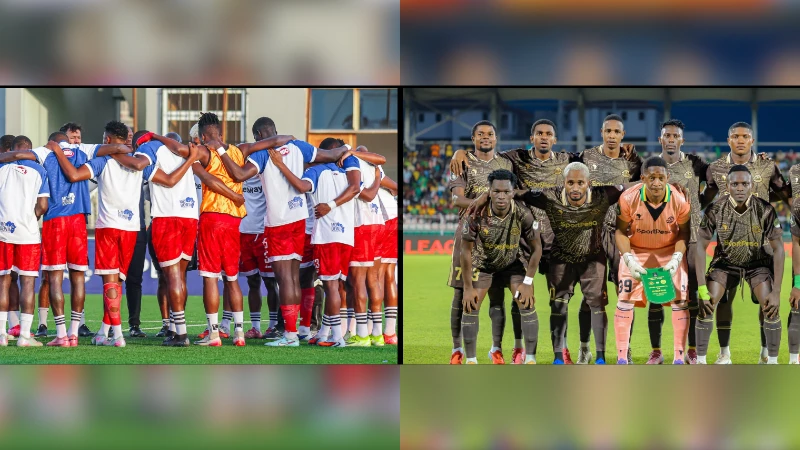
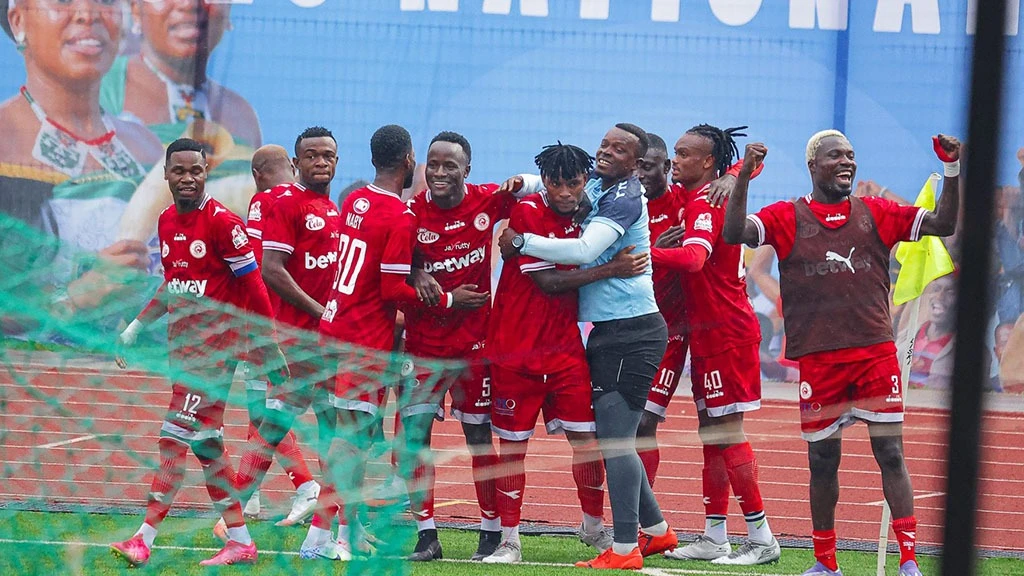
Supporters of our country’s two biggest clubs are understandably still gloomy over the failure of both Simba and Young Africans (Yanga) to advance from the 2025-26 CAF Champions League’s Group Stage to the knockout round of continental football’s premier championship.
While Simba’s sad fate was sealed a few weeks ago, Young Africans went into their final Group B match-up against JS Kabylie with their qualifying hopes hanging by a thread.
Depressingly, although Young Africans pummeled Kabylie 3-0 in ruthless fashion, their main Group B rivals AS FAR Rabat drew their football contest with the group’s leaders Al Ahly, which meant that AS FAR finished the group stage with nine points, that was an agonizingly one point greater than the eight points which Young Africans ended the group stage with.
Thus, while Young Africans can justifiably hold their heads up high following an enormously challenging campaign, Simba have got a lot to think about after their disappointing group displays.
Top Headlines
Trending Stories






© 2026 IPPMEDIA.COM. ALL RIGHTS RESERVED