




How family dynamics shape social equity
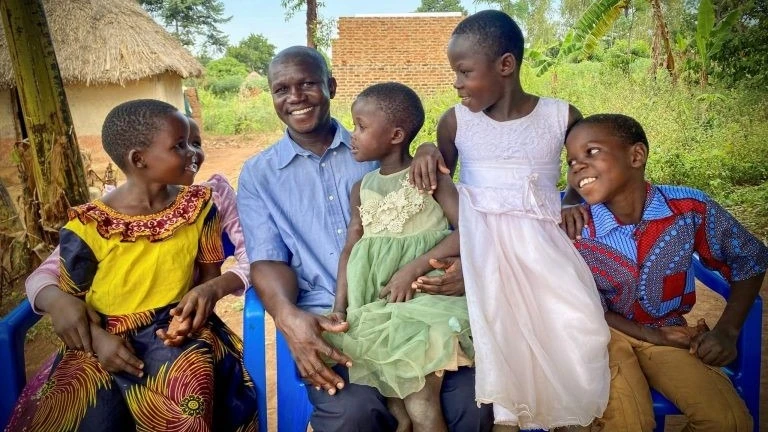
ENTERING public debate on corporal punishment requires significant moral courage. Few topics are as deeply personal or emotionally charged as the way we raise our children.
For many families, discipline is inextricably linked to culture, faith, and identity; consequently, questioning long-standing practices can feel like questioning love itself. However, examining how we guide our children is not an attack on tradition—it is a commitment to their wellbeing and the ultimate health of our nation.
Resistance to change is understandable. Many parents were raised in environments where discipline meant physical pain, shouting, or shaming. These methods were presented as the only viable path to producing responsible adults. Over time, force becomes normalised—a default response to a child's mistake. Yet, prevalence does not equal effectiveness. The fact that a practice is common does not mean it is harmless, nor does it justify its continuation in a modern context.
In many families, routine rebukes and physical strikes are defended as "instructional tools." This reveals a troubling double standard: adults who would never dream of striking a colleague, a neighbour, or a friend often believe it is acceptable to use force against a child—someone smaller, dependent, and entirely unable to defend oneself. If dignity and respect are the standards for our adult interactions, they must be the non-negotiable foundation of our homes as well.
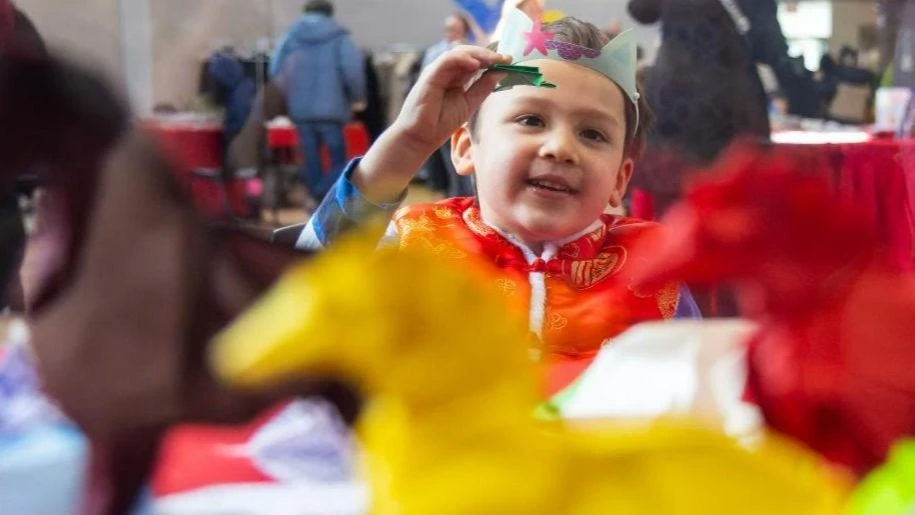
A constant pattern of criticism, where correction outweighs connection, erodes a child’s sense of belonging. Children flourish only when they feel safe, valued, and heard. When a home is associated primarily with fear or humiliation, it undermines the very character development that discipline is intended to promote. Instead of learning self-discipline, the child learns only how to avoid detection or appease an aggressor.
Discussions about parenting often invoke "tradition," with some arguing that corporal punishment is "our way," while kinder methods are "foreign imports." But empathy, guidance, and kindness are not cultural commodities; they are universal human values. The real question is not whether a method is traditional, but whether it supports a child’s healthy development in the modern world. Kindness is not a Western export; it is a human necessity.
International human rights standards affirm every child’s right to physical integrity. Children should not be mistreated simply because they lack the power to resist. Even religious texts, often cited to justify the cane, are being viewed through fresh theological lenses. Many scholars now argue that biblical references to the “rod” symbolise moral direction and protective guidance—much like a shepherd's staff—rather than an instrument for inflicting physical pain.
Modern science increasingly supports this shift. The World Health Organisation (WHO) reports that corporal punishment is linked to heightened aggression, depression, and anxiety, offering no long-term behavioural benefits. Similarly, UNICEF (2024) advocates "positive parenting" strategies that balance emotional warmth with consistent, non-violent boundaries.
The physical stakes are higher than many realise. Research from the Harvard University Centre on the Developing Child (2025) shows that chronic stress in early childhood—including exposure to violence and shouting—can physically alter brain development. This specifically impacts the prefrontal cortex, the area responsible for emotional regulation and complex decision-making.
Conversely, scholars like Daniel Siegel and Tina Payne Bryson (2023) emphasise that children internalise values most effectively through secure emotional connections. Fear triggers a "shut down" response in the brain, making actual learning impossible. Furthermore, Dr Ross Greene’s (2024) work on collaborative problem-solving demonstrates that involving children in resolving the causes of their behaviour reduces outbursts by 60 per cent more than punitive measures. This approach turns discipline into a lasting life lesson in cooperation rather than a recurring battle of wills.
Setting limits is essential; children need structure, accountability, and clear expectations. However, the difference lies in the execution. Discipline should mean teaching rather than hurting, and correcting without humiliating.
A child’s environment shapes their fundamental understanding of power and authority. When authority is expressed through intimidation, children learn that control is achieved through force. When authority is expressed through calm leadership and mutual respect, they learn that strength and compassion can—and should—coexist.
The implications extend far beyond the family unit. Patterns of private violence inevitably echo in public life. If children grow up equating respect with fear, they will replicate that toxic dynamic in schools, the workplace, and national leadership.
If we seek a more peaceful, just and equitable society, the change must begin at home—in the tone of our voices and the consistency of our respect. Social equity is not built solely in legislature or courtrooms, it is cultivated in living rooms and kitchens. To change the future of our streets and the character of citizens, we must first transform the language of our homes.
Top Headlines
Trending Stories

















© 2026 IPPMEDIA.COM. ALL RIGHTS RESERVED