




Africa leaders reignite for local manufacturing of health products
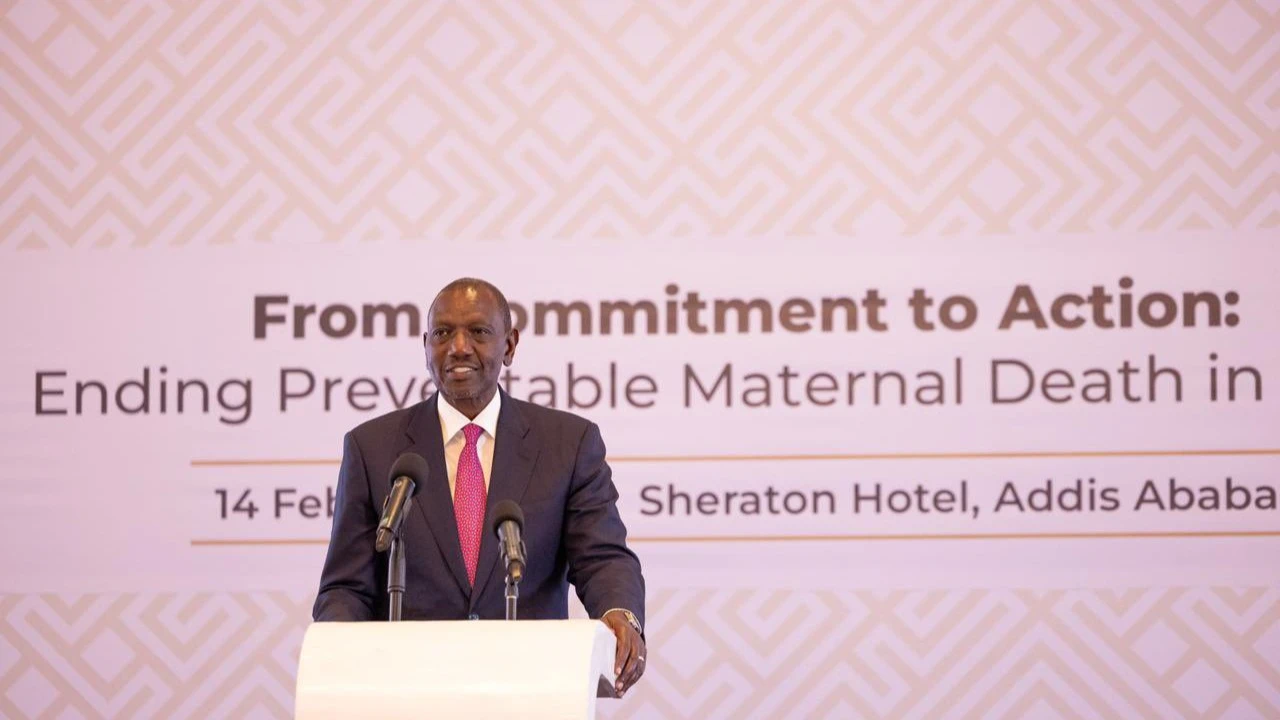
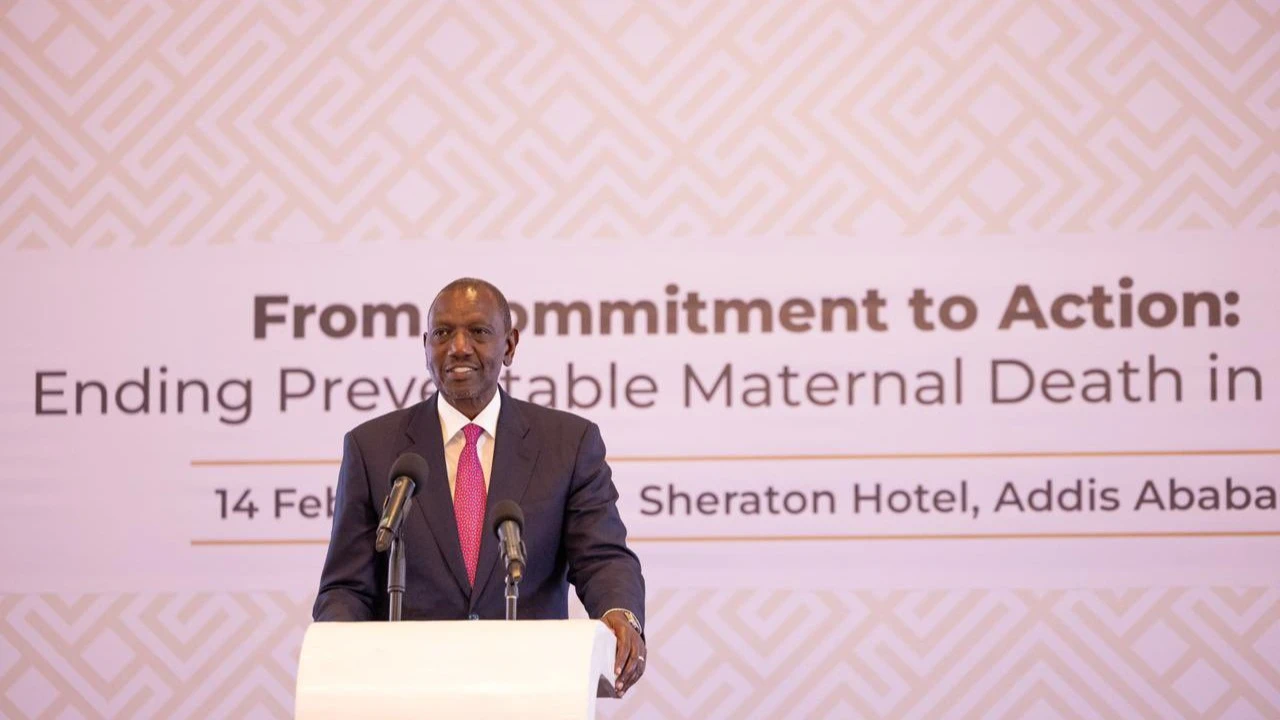
African leaders have renewed their commitment to strengthening local production of health products as a key strategy for the continent’s health security and economic sovereignty.
The declaration came during the 39th Ordinary Session of the Assembly of the African Union (AU), held recently in Addis Ababa, Ethiopia.
On the sidelines of the summit, Ministers of Health from AU member states, high-level representatives, and development partners reaffirmed decisions from previous assemblies that emphasize advancing pharmaceutical manufacturing, pooled procurement, and regulatory harmonization across the continent.
The AU leadership recognized the critical role of the Africa Centres for Disease Control and Prevention (Africa CDC) in operationalizing the Platform for Harmonized African Health Products Manufacturing and the African Pooled Procurement Mechanism (APPM).
These initiatives are designed to facilitate “Buy African” strategies, coordinate demand aggregation, and shape markets to support predictable and sustainable growth for local manufacturers.
A central ambition of the declaration is for Africa to meet at least 60 percent of its health product needs locally by 2040.
Officials stressed that this goal is critical not only for responding to future pandemics but also for reducing dependency on imports, which currently account for the majority of medicines, vaccines, and medical devices used across the continent.
Despite a growing pharmaceutical sector in countries such as South Africa, Nigeria, and Egypt, Africa still imports an estimated 70–80 percent of its essential medicines.
Vaccines, specialized diagnostics, and high-tech medical devices are almost entirely sourced from Europe, North America, and Asia.
This dependency has been highlighted during health emergencies, including the COVID-19 pandemic, when supply chain disruptions delayed access to vaccines and critical medicines.
According to the Africa CDC, pooled procurement mechanisms and regional manufacturing hubs can reduce costs, improve supply chain reliability, and stimulate local innovation.
The declaration emphasizes mobilizing sustainable financing, including the establishment of an APPM capital fund, as well as investments in skills development, technology transfer, and partnerships to enhance production capacity.
Leaders also expressed strong support for convening an Extraordinary Summit on African Health Products Manufacturing in Nairobi, Kenya, in the second quarter of 2026.
Chaired by President William Samoei Ruto of Kenya, the AU Champion on Local Manufacturing, the summit will accelerate the implementation of continental strategies, endorse concrete commitments, and demonstrate sustained political leadership in building Africa’s health sovereignty.
“The shift toward local manufacturing is not merely about production; it is about ensuring that Africans have timely and equitable access to quality-assured health products,” said an AU official. “It is also a long-term economic strategy to strengthen African industries, create jobs, and retain value within the continent.”
With these commitments, African leaders are taking decisive steps to reduce dependency on imports, enhance self-reliance, and position local health product manufacturing as a cornerstone of the continent’s development agenda.
Top Headlines
Trending Stories




















© 2026 IPPMEDIA.COM. ALL RIGHTS RESERVED