




Continental dreams on hold: Yanga and Simba confront a defining moment in African football
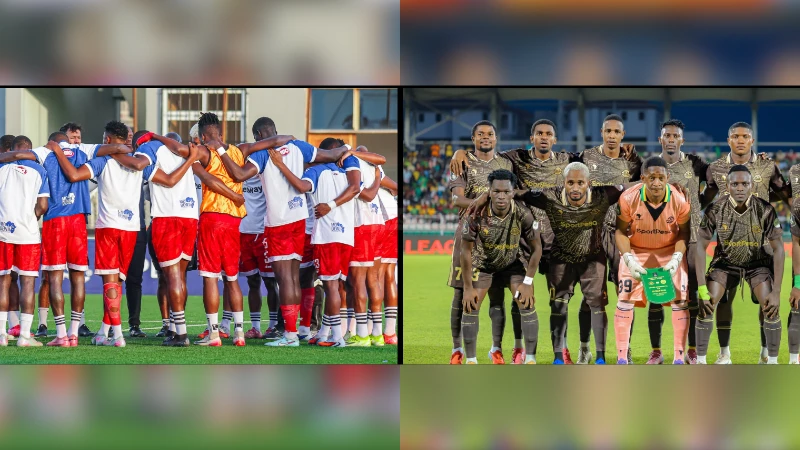
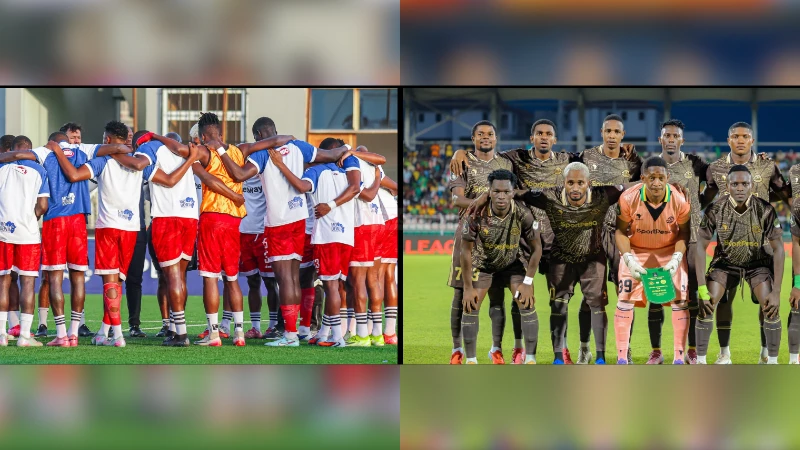
FOR nearly a decade, Tanzanian football has lived with growing continental ambition. Packed stadiums, swelling club revenues and rising regional prestige have fueled belief that the country’s giants — Young Africans SC and Simba SC — are no longer mere participants in Africa’s premier club competition, but genuine contenders.
Yet the 2025/26 CAF Champions League group stage delivered a sobering reality. Both clubs bowed out before the quarter-finals, bringing an abrupt end to Tanzania’s presence in this season’s elite continental contest.
It is a setback - but not necessarily a regression.
Instead, it may represent a pivotal chapter in the evolution of Tanzanian club football: a moment of recalibration rather than collapse.
Yanga’s Courage in the “Group of Fire”
For Young Africans, the campaign was defined by both bravery and frustration. Drawn into what many analysts described as one of the tournament’s most unforgiving groups, Young Africans faced established continental heavyweights in every round.
Playing in Group B, Young Africans face Al Ahly of Egypt, A FAR Rabat of Morocco and Algeria’s JS Kabylie.
Their final group fixture in Zanzibar captured the emotional paradox of their journey. At the New Amaan Complex, Young Africans produced arguably their most commanding display of the campaign, dismantling Algeria’s JS Kabylie 3–0 with attacking verve and tactical boldness. The performance symbolized growth - confident pressing, fluid transitions and clinical finishing.
Yet even as celebrations echoed around the stadium, qualification slipped away elsewhere. A goalless draw between Al Ahly SC and AS FAR Rabat ensured Young Africans’ elimination despite finishing with eight points - the same tally that carried them into the knockout stages last season.
Head coach Pedro Goncalves responded not with despair, but with perspective.
His emphasis was on progress: competing fearlessly against Africa’s elite, improving tactical maturity and reinforcing belief within the squad. Young Africans’ campaign featured moments of composure against pressure, and their attacking partnerships - particularly the dual-striker system deployed in decisive matches - reflected a willingness to evolve.
The fine margins were clear. One additional goal conceded, one missed opportunity converted differently, and the narrative might have shifted entirely. In Africa’s top competition, qualification is rarely determined by dominance alone; it is decided by precision in critical moments.
Young Africans leave the tournament with lessons rather than humiliation - and with evidence that they remain within touching distance of Africa’s upper tier.
Simba’s Transitional Test
Across the Msimbazi divide, Simba’s journey carried a different tone - less dramatic, more introspective.
Under head coach Steve Barker, Simba are navigating what many observers describe as a transitional phase. Having reached four consecutive quarter-finals in recent years, expectations remain high. But football cycles inevitably shift, and sustaining continental consistency demands renewal.
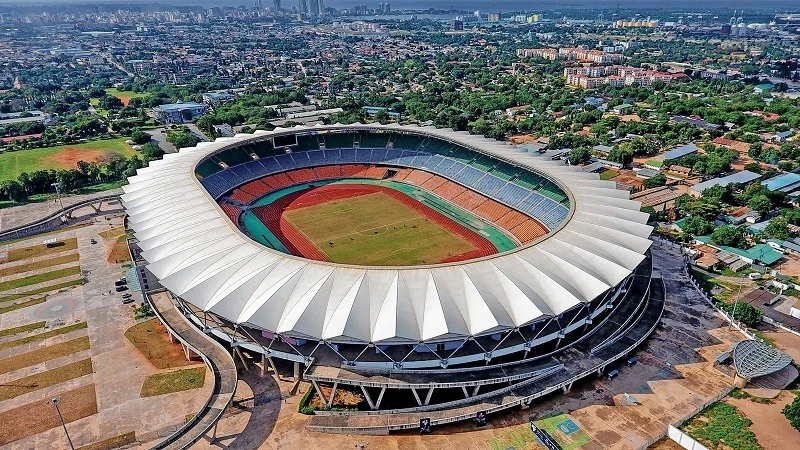
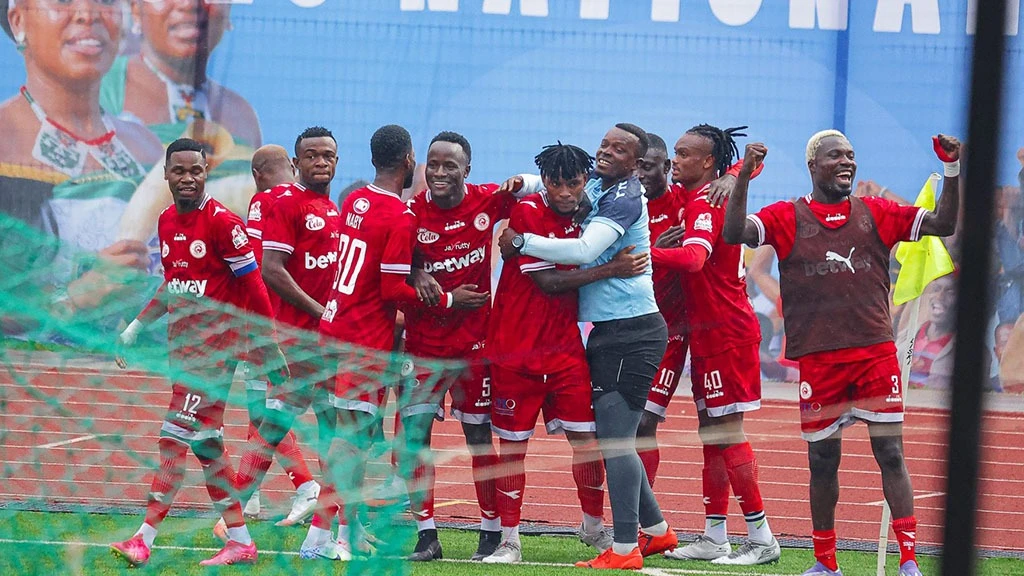
Their final group match at the Benjamin Mkapa Stadium offered a glimpse of resilience. A 1–0 victory over Stade Malien restored pride, secured through disciplined defending and early attacking initiative.
The result, however, was symbolic rather than salvaging. Simba finished with five points - a modest return by their recent standards - and missed out on progression in a group ultimately topped by Stade Malien of Mali and Tunisia’s Espérance Sportive de Tunis.
For Barker, the campaign underlined a key challenge: sustaining intensity across 90 minutes and across six group matches. The flashes were there - structured pressing, improved defensive shape, and moments of controlled build-up play. But consistency, the currency of continental success, proved elusive.
Simba’s early exit ends a period of relative stability in Africa’s knockout rounds. Yet transitions, if managed correctly, often precede resurgence. Squad recalibration, youth integration and tactical refinement could transform short-term disappointment into long-term strength.
The Rankings Reality
The wider impact of elimination has been reflected in the five-year African club rankings published by the Confederation of African Football (CAF). Simba have slipped from fifth to eighth place with 38 points, while Young Africans sit tenth.
At the summit stands Al Ahly, whose sustained excellence underscores a crucial truth about African football’s hierarchy: dominance is cumulative. It is not built on a single deep run but on repeated qualification, consistent knockout appearances and strategic continuity.
The rankings also feature South Africa’s Mamelodi Sundowns and Morocco’s RS Berkane among the continent’s elite - clubs that have invested heavily in infrastructure, scouting networks and sports science.
For Tanzanian clubs, the message is clear. Competitive spirit alone is no longer enough. Structural depth, data-driven recruitment and sustained squad continuity are becoming decisive differentiators.
Beyond the Group Stage: What This Means for Tanzania
The absence of both Young Africans and Simba in the quarter-finals carries symbolic weight. For a footballing nation that has risen rapidly over the past decade - marked by vibrant fan culture and improved administrative professionalism - continental visibility matters.
But perspective is essential.
Neither club was outclassed across the board. Both demonstrated they can compete physically and tactically with North and West African opponents. The margins were thin; the lessons substantial.
Domestic competitions now assume heightened importance. League titles and Federation Cup triumphs are not merely trophies — they are gateways back to continental contention. Strong domestic campaigns will provide the psychological and logistical platform for renewed African assaults.
More broadly, Tanzanian football’s growth must be holistic. Youth academies, referee development, facility upgrades and financial governance all intersect with continental performance. The Champions League is not isolated from domestic ecosystems; it is their ultimate reflection.
Deferred, Not Diminished
It would be simplistic to frame this season as failure. Instead, it should be viewed as a checkpoint - a reminder that the climb to Africa’s summit is steep and unrelenting.
Young Africans leave with reinforced belief and proof of tactical progression. Simba confront a rebuilding phase that could yield renewed cohesion. Both clubs retain passionate support bases and administrative ambition.
Continental dreams are on hold, not extinguished.
If anything, this season may sharpen focus. It exposes the razor-thin margins separating qualification from elimination and highlights the strategic investments required to bridge that gap.
For Tanzanian football, the journey continues - recalibrated, reflective and perhaps more determined than ever.
Top Headlines
Trending Stories










© 2026 IPPMEDIA.COM. ALL RIGHTS RESERVED