




Seaweed farming’s potential high, better synergies useful
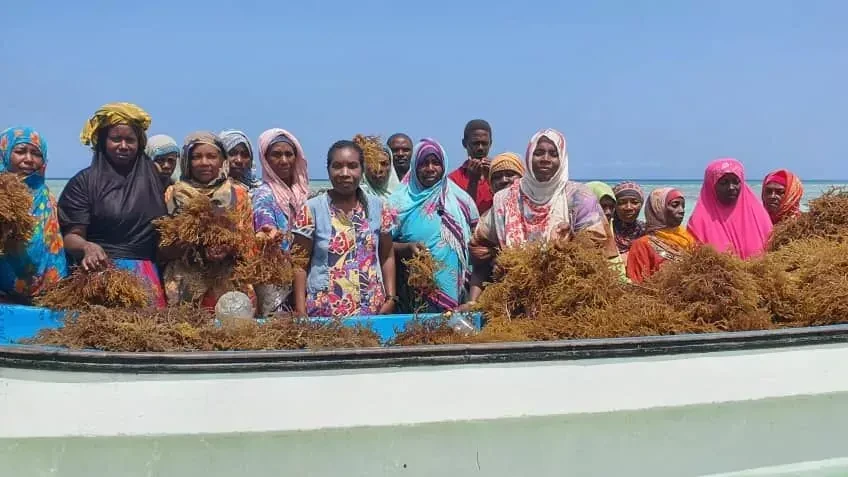
REPORTS that research is showing ample possibilities of carbon capture via seaweed farming will be warming to many hearts globally.
This is following the assertion that over 3.5 million hectares currently under seaweed cultivation is capturing at times as much as two tonnes of gas per hectare.
According to one report, total carbon dioxide removal potential ranges from 350,000 to 7 million tonnes per year for an acre of seaweed at optimal gas capture potential.
This understandably raises considerable interest in climate financing as it combines elements of inclusive economy as well as adaptation to climate change. Yet there is a wide gap in affirming the level of gas capture, and it can affect key decisions.
One suggestion in a sustainability communications outfit is that if seaweed farming is expanded to 68 million hectares by 2050, the projected removal capacity could reach 57.6 million tonnes of carbon dioxide annually.
There is no reason for the addition of only 50 million hectares 25 years from now from current 3.5 million except if the experts are skeptical because of sharply diminishing public finance for climate change adaptation.
Of course, such diminution would not spell the end of the world – as major companies or specialised funds could be in a position to direct credit in that direction including by widening the carbon trading method among other instruments.
The researchers explain that the figures they were using remain model-based estimates even as they underscore the significant role seaweed aquaculture could play in climate mitigation strategies.
It also implies that what we know as the blue economy would nearly boil down to a global specialisation of coastal areas serving to keep fish breeding grounds and sea inlets safe by virtually turning coastal zones into seaweed estates.
This possibility is visible in that harvested seaweed can be processed into high-value products including food, pharmaceuticals, bioplastics and biofertilisers, thus substantially enhancing environment-friendly industry.
Looking at this range of benefits of seaweed farming, it is not without reason that legislators and an array of regulators need to encourage the government to look for ways of uplifting key green economy financing in tandem with major banks, as expected benefits are numerous.
With generous benefits expected, this would prove a strategic design where investment occurs in seaweed farming and some companies are lined up for credit in manufacturing a range of products where seaweed is the principal raw material.
There would be a definite amount of business diplomacy to add up in the matter in the sense of seeking regional and overseas markets, especially as the produce will have big carbon credits.
While immediate interest is in creating alternative income streams, particularly in regions affected by vast declines in fisheries, the idea that seaweed prevalence actively helps in combating ocean acidification would be a plus.
It would be more appreciated in overseas markets unless it has actual environment fallout locally. Even if data are still scanty, a handful of strategic benefits is visible – and so it needs sufficient publicity, targeted credits and proactive setting-up of industry to work.
Civil society could still do a lot with targeted action even as aid winds up
SOME mergers and acquisitions are likely to be taking place in the “community” of civil society organisations in the wake of anticipated or precipitated closure of many civic assistance groups as benefactors opt to do something else.
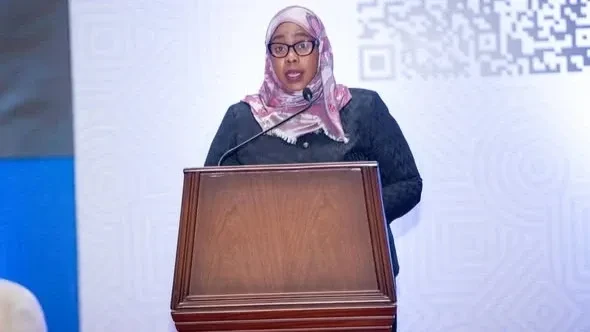
A new name on the horizon, the Gender and Climate Change Tanzania Coalition (GCCTC), could bring under its wings a number of interest areas that would earlier have been distinctively seeking support from development partners each on its own.
With the clouds of disengagement at the civic level gathering pace since early 2025, merging such activities looks normal – and useful.
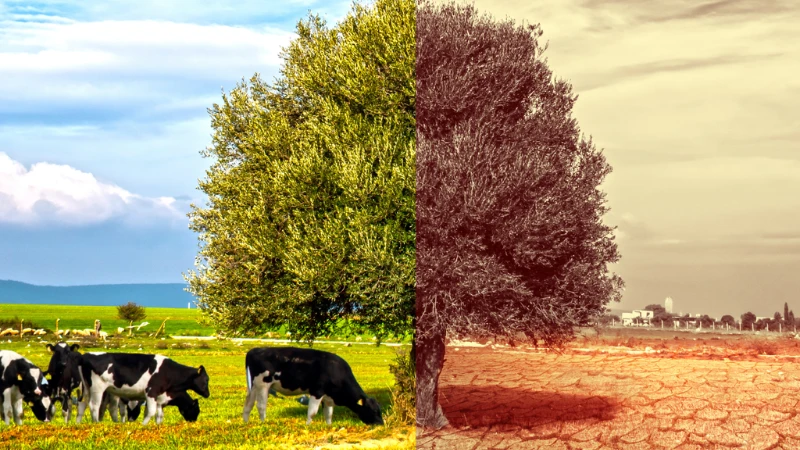
The newly unveiled entity has announced plans to actively involve youth and persons with disabilities in national climate action efforts, as unchecked environmental degradation and deforestation could accelerate desertification across parts of the country.
That much is well known, and therefore the issue is how much they can do, how many people they can mobilise and what resource base they are working with.
This is because, used widely, a marginal resource base could reach thousands of people and make them begin thinking of standing on their own feet. In the circumstances, though, one suggestion could be that NGO targeting thousands of people at the same time ought to target real ‘green’ items.
There were plenty of issues at hand as GCCTC members held a high-level consultative meeting where a number of ministerial executives participated, apparently to shape usable guidelines for inclusive climate engagement.
Reading between the lines somewhat rapidly doesn’t show what specific strategies the group has formulated and whether it is learning usable gender activism in the new era of dedicated ventures or directed investments.
The concern now is how to get resources on the ground alongside people doing something useful for climate adaptation – rather than the old debates as to whether there is necessarily gender parity in particular civic or productive entities.
These worries are substantiated as the era of ensuring inclusive participation in climate decision-making and implementation processes at national and international levels demands outlays enabling NGOs to work untrammeled.
There always used to be a problem of identifying the most important issue at hand – that is, between decision-making inclusivity on the one hand and productive inclusivity on the other.
The latter is included in a venture sort of activity while, under the former, activists believe that they can get organisations to be mindful of gender aspects – different from, say, leveraging some finance for projects of that sort.
Activists ought to realise that issues of parity aren’t foremost at present as it is ability to engage plus accessing credit that now really matters.
There is now less room for strengthening grassroots voices, particularly women and youth, to influence policy outcomes – that alongside greater concern for starting workable green-based activities on the ground.
The key issue is that credit is the base and at times little leveraging finance from public sources or the development partners. When productivity is the issue, voices cool down.
Top Headlines
Trending Stories













© 2026 IPPMEDIA.COM. ALL RIGHTS RESERVED