




Inflation at 3.3pc as pacesetter among EAC core partner states is good news
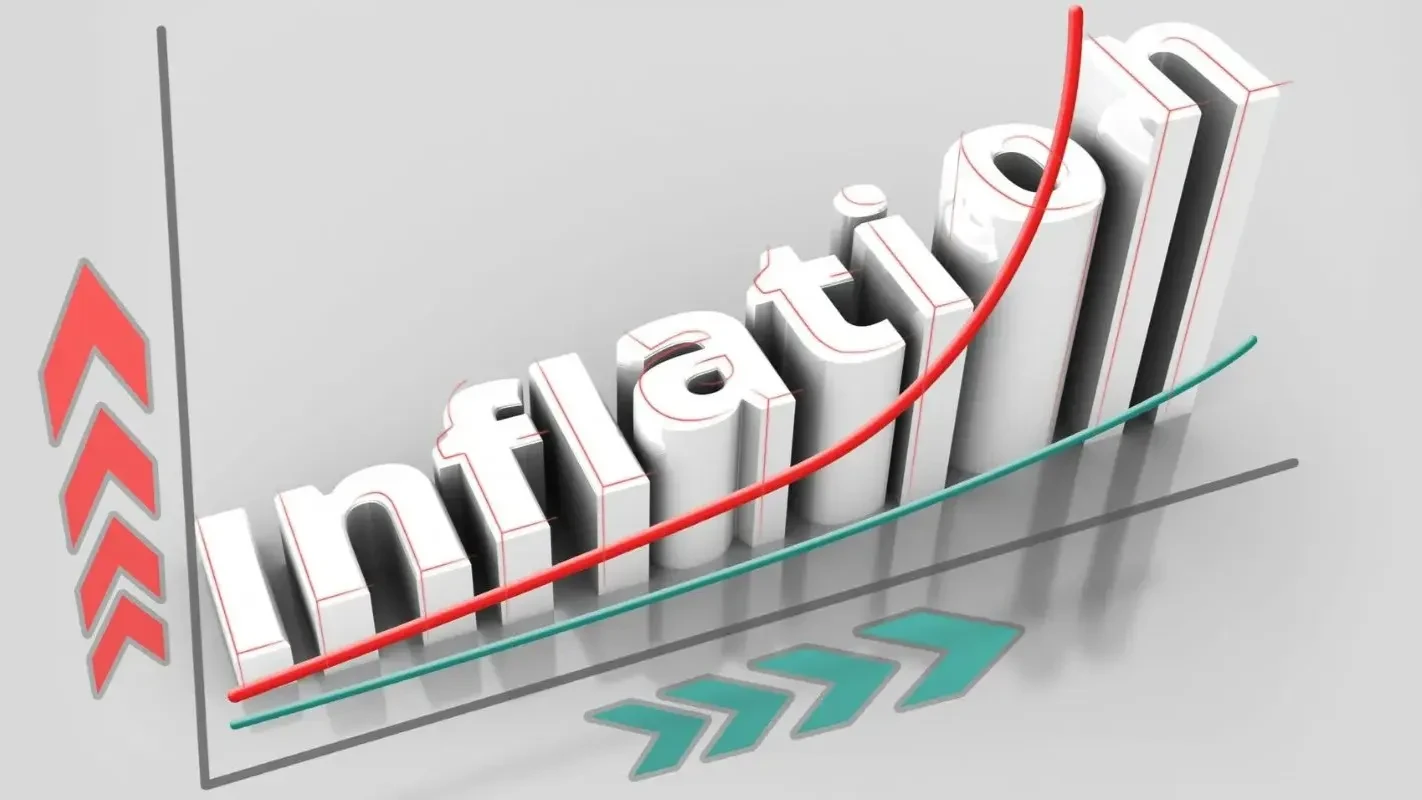
THERE is an element of competition in economic data just as there is in practically everything else in life.
The competition isn’t in vain as it forms part of what makes government legitimate, that it gets things done and perhaps it is the best possible choice or option in that regard.
Much of this could go unsaid when public agencies map out spheres of success in particular aspects of economic activity.
At least in that sense, annual or periodic data on inflation are essential in economic activity as a whole, a sort of night guard of the health of a given economy in terms of predictability and investment assurance.
What is also noticeable about current economic data locally and in the region is that most African countries, like other emerging markets, came out strongly towards the end of the past year.
At least that is in comparison with the doomsday scenarios beamed by forecasters and negotiators in the wake of the tariffs scare from the White House.
All this now looks so behind us that even the one year prolongation of the African Growth and Opportunity Act (AGOA) to the end of this year did not elicit much jubilation except from particular export sector stakeholders.
Otherwise, most countries had taken astride the tariff changes as well as broad-based aid cancellation and proceeded to reposition economic activity rather effectively.
That is why there was plenty in terms of good feelings following reports that annual headline inflation for January 2026 decreased to 3.3 per cent from 3.6 per cent recorded the previous month.
Had it been that a specific economic sector was intensely rattled by the tariff and aid shifts, it would have told on the wider economy.
That would have been similar to the way the housing sector bad loans crisis in the United States back in 2007 touched off not just a real estate crisis but a financial sector dislocation plus monetary ripples of vast proportions.
The tariffs have meanwhile led to the altering of strategic decisions on long-term investments, where some influencers are discovering that we have not just the likes of gold, tanzanite and natural gas but also large helium gas reserves or deposits.
It is in that respect that Tanzania comes out as some sort of beneficiary, as there is greater interest in minerals and especially gold, decorative and industrial minerals as well as rare earth minerals and that die-hard industrial combustion material – coal.
As the world gears up for a situation where the major world powers can be unreliable in potential trade decisions, African states concomitantly become more important in the scenario.
That is apart from underlying factors like a rising population, future markets, infrastructure boom and easier access to credit since banks work day and light to find worthy clients on which to splash cash.
While not everyone will instantly be impressed, economic stability and an optimistic mood on a wider part of the population combine into an assurance on stability, ‘everything else remaining equal’.
Technology, governance follow-ups can end delays in irrigation schemes
WITH even less predictable rainfall as weather paling thickens, an entire rice farming season is in danger of being lost after prolonged delays in the completion of the execution of an irrigation scheme.
Voices are being raised on how the project, in the Southern Highlands regions was being implemented. This prompted growing concern over accountability for the 56bn/- work using public funds.
An immediate reaction was to hold a public meeting where residents demanded that the project engineer and contractors concerned urgently repair the water canal to enable water to flow to their farms.
The residents pointed out that paddy nurseries have yet to be established and the window for transplanting seedlings was rapidly closing, raising fears of seed losses, etc.
It is likely that serious economic hardship will arise from this situation unless there is appropriate intervention, as it appears that local officials, working with contractors, were so used to the situation that there would be no harm in continue to go the ‘business as usual’ route.
Residents say they are always promised action but nothing happens, while failing to farm was a threat on survival and it was unfortunate that district officials did not see much urgency in that situation.
What mediating officials did not say or realise was that it is less an issue of behaviour than of the techniques used.
If one uses methods applied in financial technology to run such projects, all that is demanded might be that someone sinks in his or her own money – and, if seeking a loan, there is collateral to go along such funds.
It would appear normal for government cash to be best used in paying contractors after they have taken loans to implement projects whose tenders they won.
That would be via costs and design formats accepted by the Public Private Partnership Centre, whose use some officials may not seem to appreciate.
When contractors act with arrogance, there is a definite reason somewhere and often some project-supervising officers could be compromised not just at that stage but even in selecting the winner.
That is why loan-based procedures and ably used fintech designs usually work better than speeches – and since the government wants to deliver with a sense of urgency, it can take that up.
Councillors and other local government officials ought to know that the issue isn’t to demand that the project engineer take immediate action to prevent farmers from incurring heavy losses, as that will fall on deaf ears, just like appealing to a herder not to take cattle into someone’s farm.
Only changes in the sort of institutional actions expected could alter behaviour, as the game here is one of survival; contractors work with engineers or any officials to redirect portions of project funds, making do with what remains.
When fintech and loan formulas are applied, the level of professionalism and rectitude will likely rise higher, slashing sleaze on project funds and helping people obtain the services they need right on time. Talking without effecting structural changes hardly ever help.
Top Headlines
Trending Stories















© 2026 IPPMEDIA.COM. ALL RIGHTS RESERVED