




Community health providers will help to enhance cancer vigilance in villages
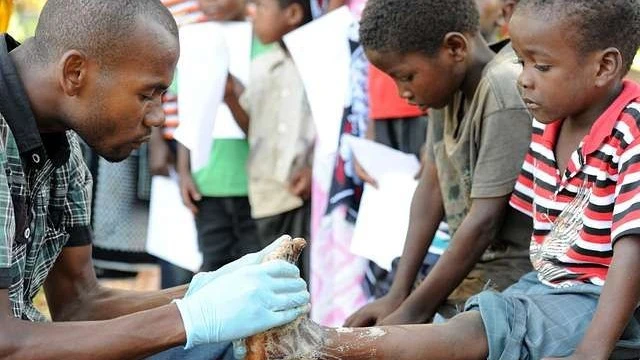
MEASURES to prevent mini-epidemics or frequent disease occurrences at a primary level were last year being floated as an aspect of ways to facilitate universal health coverage via paid insurance of deliberate waivers for those unable to pay.
This idea is being followed in moves meant to bolster public health at the primary level, including with 80 community health workers (CHW) undergoing training to become agents of change in the fight against some cancers.
Authorities say it is an intensive programme focused on equipping the frontline workers with the tools to educate people on breast and cervical cancer, while urging wide acceptance of the human papillomavirus (HPV) vaccine, as a bulwark against the body itself developing destructive cells.
The design of the programme resolved issues of how far social work could stem control factors leading to disease, as organisers saw CHW training as a cornerstone of broader efforts to rescue women and girls from the devastating impact of these diseases, claiming lives mostly following late-stage diagnosis.
The event was a follow-up to reflections on the issue during the commemoration of World Cancer Day, on February 4, as a catalyst for increasing cancer awareness, encouraging forestalling efforts and rooting for early screening, while uplifting patient support systems.
It is unclear whether any of these efforts is new, given the fact that cancer is a scare in all generations, but it could help reduce the speed of infection.
The necessity of person-centred care was widely appreciated during the commemoration as more about accompanying every patient on a journey of suffering, and scarcely devoted to, or having room for, reminders as to why a particular patient was infected.
It was planned that the trainees would be provided with vaccination pedagogy materials and other instructions but without including repetitions of warnings for proper patients.
The task could surely be done, but it is difficult, as medical workers are trained to sympathise with patients, unlike preachers who cannot point fingers directly but intimate why certain maledictions may have occurred.
There have been cases of youthful musicians writing exaggerated raps on being infected with HIV whereas it merely takes a moment of exposure, not bloated repetition, to arrive at infection.
This leaves literally everyone at liberty to figure out how much success can be expected from the initiatives of “foot soldiers”, as it all depends on how far prevention as such works in pandemics – the way infectious diseases start.
The optimistic will look at this initiative as closing gaps in the wide array of information sources that make young people aware of the dangers involved, as they live within the very communities they serve.
The fact that they possess a unique bond of trust with their neighbours and can thus dispel myths is a plus for the communities when there are trained, sympathetic healthcare community staff standing by when the need for care arises.
Yet the task they have been given is to prevent this from happening, which borders on invading one’s privacy.
Some traditional foods curb diabetes, but not much hope of diet ‘shakeups’
PRIDE at being African has a way of being reinforced when occasions provide an opportunity.
Of late, it is academic dieticians taking the limelight with the apparent discovery that ‘traditional’ African foods like leafy vegetables and several others have the nutrients it takes to inhibit the growth of diabetes.
Two South African academics have been reviewing literature across 15 years on the qualities of traditional foods, pointing at small grains along with edible insects and legumes as especially helpful.
The academics report that the foods contain bioactive compounds likely to reduce chronic inflammation and oxidative stress driving the progression of diabetes.
The findings will add to the corpus of studies that not just bring up helpful aspects of traditional foods but should uplift spirits already succumbing to the barrage of self-doubt as whether anything tried to tradition is worth worrying about.
To this sort of inquiry, where the recital about the usefulness of a whole array of traditional foods restores the image of ecological totality in how traditional society was organised, it may even help a few, in South Africa especially, to reaffirm their faith in traditional culture and antipathy to imported foods and way of life in general.
Traditional Africa in villages is seething with violence and despair, but it has its faith.
The review took up 46 studies conducted between 2010 and 2023, examining how local or indigenous foods help in preventing or managing type 2 diabetes mellitus.
The studies indicated that a whole range of indigenous African foods are rich in anti-inflammatory and antioxidant compounds. Thus, they could play a significant role in preventing and managing this type of diabetes, a disease that is rising rapidly across the continent.
That is presuming that knowledge of these features can presumably lead to a change in how people live, and hence precisely what they eat.
This projection is nearly as good as suggesting that middle-aged people abandon cars and take up bicycles as body exercise, etc. Just one day of cycling to office would be enough to dissuade a newly recruited ecology convert that the effort isn’t worth the physical or psychological trouble.
One particular recent year saw diabetes and related kidney diseases cause more than two million deaths, the cases bring long-term metabolic conditions affecting millions of adults worldwide.
Much of this is tied up with modern facets of life, like cars, luxury housing, overly nutritious foods and drinks for the asking.
However, the real culprit is that most non-communicable diseases like diabetes and cancer, don’t show worrying signs at early stages.
Most people don’t take regular scans simply because they at times don’t wish to raise worries “before the time arrives”, and too often they are mistaken as to advice relating to their lifestyles.
Phrased bit differently, it is that just as we are often wrong about the beliefs we hold, so might we be in choosing our styles of life.
Top Headlines
Trending Stories










© 2026 IPPMEDIA.COM. ALL RIGHTS RESERVED