




Minister: Clean energy access triples since 2021
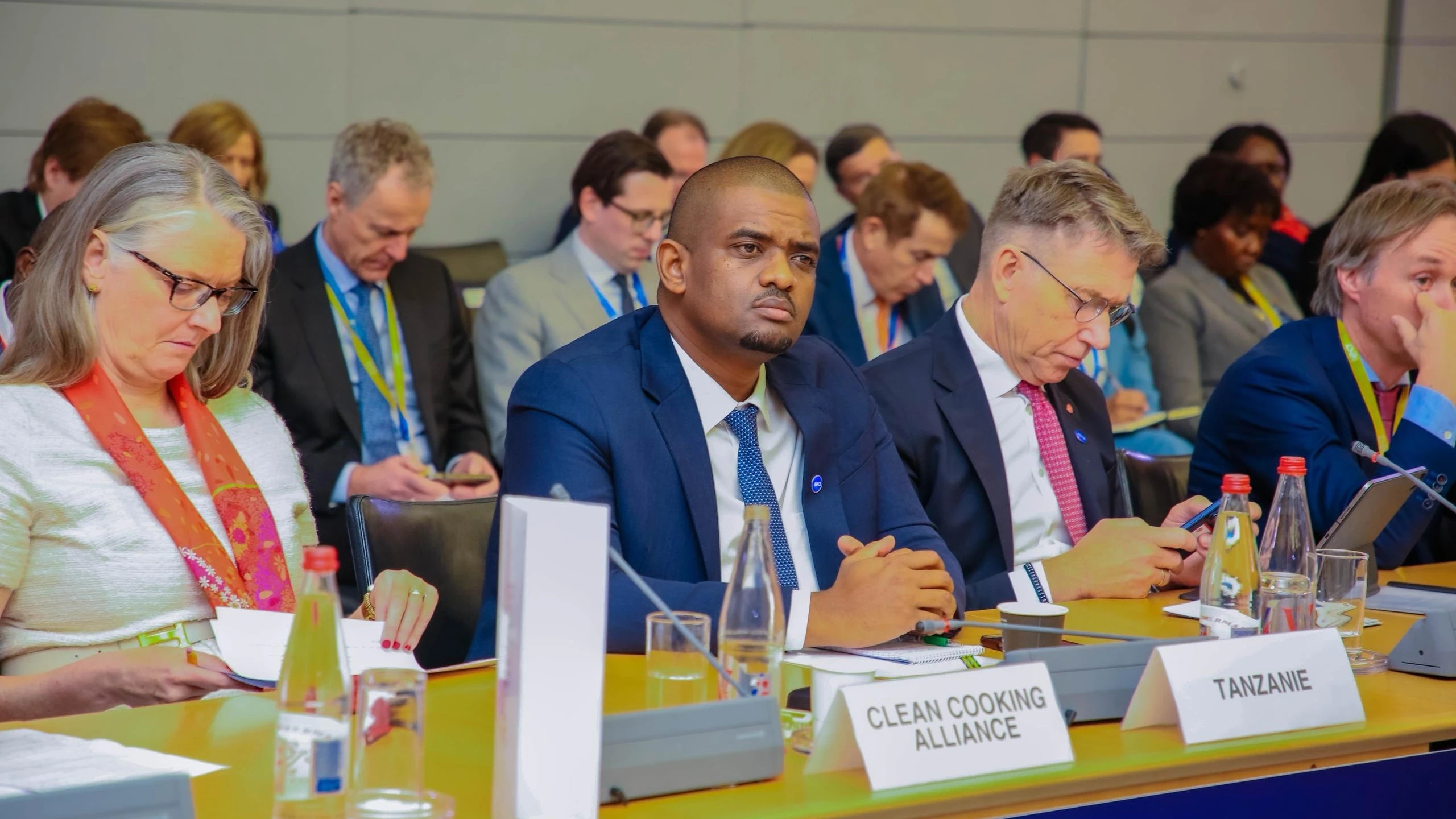
THE government has affirmed a dramatic surge in clean cooking energy access, marking one of the fastest transitions on the continent in recent years as clean cooking usage rates climbed from just 6.9 percent in n 2021 to 23.2 percent by early 2025.
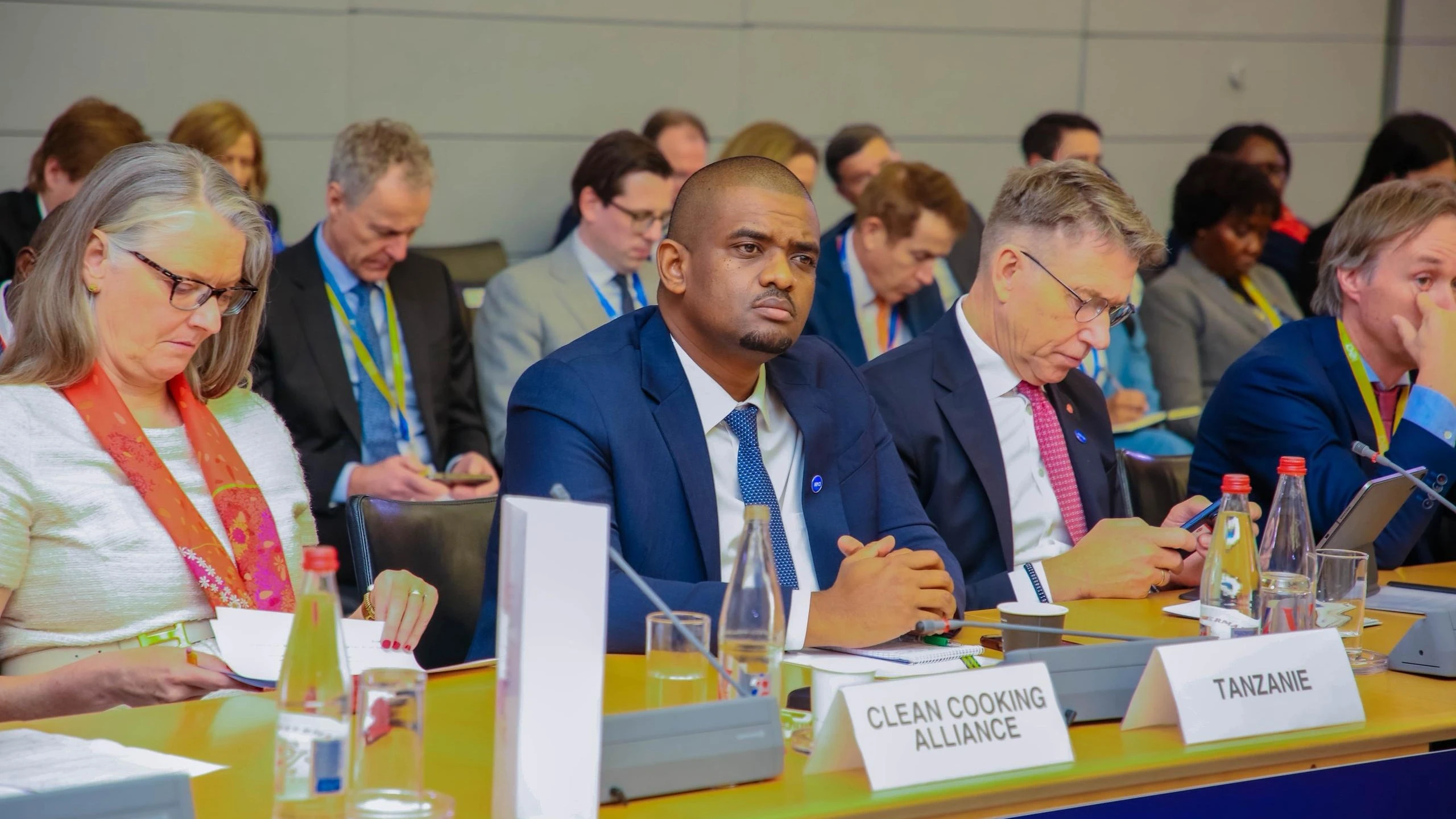
Deogratius Ndejembi, the Energy minister, made this observation at a high-level dialogue organized by the International Energy Agency in the French capital, citing a more than threefold increase achieved in four years.
The milestone represents a significant stride toward environmental sustainability, improved public health and socio-economic transformation, he said at the meeting where Tanzania's significance at the Paris clean cooking energy forums was visible.
It relates to its broader engagement with the Paris Agreement on combating impacts of climate change, along with its position as a proactive leader in African energy transition particularly focusing on transitioning away from reliance on wood-fuel (which accounts for up to 90 percent of national energy consumption).
Tanzania’s progress reflects a sustained commitment to providing safe, affordable and reliable energy solutions to the public, particularly women and children who bear the brunt of indoor air pollution from traditional cooking methods, he said.
The country’s strategy combines regulatory reform, financial innovation and targeted subsidies to accelerate adoption, with the progress arising partly from the implementation of resolutions made at the inaugural African clean cooking summit in Dar es Salaam nearly two years ago.
At the summit up to $2.2bn was mobilized in global pledges to strengthen the clean cooking sector across Africa, with Tanzania among the leading beneficiaries of the momentum generated at the summit.
To formalize and scale up these gains, President Samia Suluhu Hassan launched the national clean cooking energy strategy (2024–2034) in May 2024, a ten-year roadmap aligning policy reforms, financial mechanisms and private sector participation to transition households away from harmful biomass fuels such as firewood and charcoal, he explained.
The strategy prioritizes rural communities, where reliance on traditional fuels remains high, while projecting that success is measured by practical implementation and expansion of services to rural areas, he said.
For the current fiscal year, the government has rolled out several high-impact initiatives including subsidizing and distributing 200,000 improved cookstoves and 450,000 liquefied petroleum gas (LPG) cylinders nationwide.
In addition, an innovative financing pilot allows households to pay for electric cooking appliances through their Tanzania Electric Supply Co. bills, effectively reducing the burden of high upfront costs, he elaborated.
Institutional reforms are also underway as the government has imposed a strict ban on the use of charcoal and firewood in institutions serving more than 100 people, like prisons, schools and hospitals, to reduce indoor air pollution, cutting deforestation rates and setting a national example in clean energy adoption, he stated.
Beyond health and environmental benefits, clean cooking is an emerging economic sector as expanding modern energy solutions stimulates investment in manufacturing, distribution and maintenance of energy equipment, creating thousands of green jobs and supporting small and medium enterprises, he said.
The transition also plays a central role in Tanzania’s climate action commitments, where reducing charcoal consumption protects forests acting as vital carbon sinks, while cleaner fuels significantly lower greenhouse gas emissions and respiratory illnesses.
Data from the International prosperityindicates that universal access to clean cooking across Africa by 2040 is achievable with annual investments of up to $4bn—roughly double previous estimates.
Tanzania’s rapid progress demonstrates that ambitious targets can be met through coordinated policy, strong leadership and international cooperation, thus development partners and investors need to support Tanzania’s clean energy journey, especially with the country’s stable investment climate.
Achieving 100 percent clean cooking access is not merely an environmental goal but a foundation for human dignity, gender equality and national prosperity, he added.
Top Headlines
Trending Stories














© 2026 IPPMEDIA.COM. ALL RIGHTS RESERVED