



Ruvuma forms multi-stakeholder team to control land disputes, deforestation
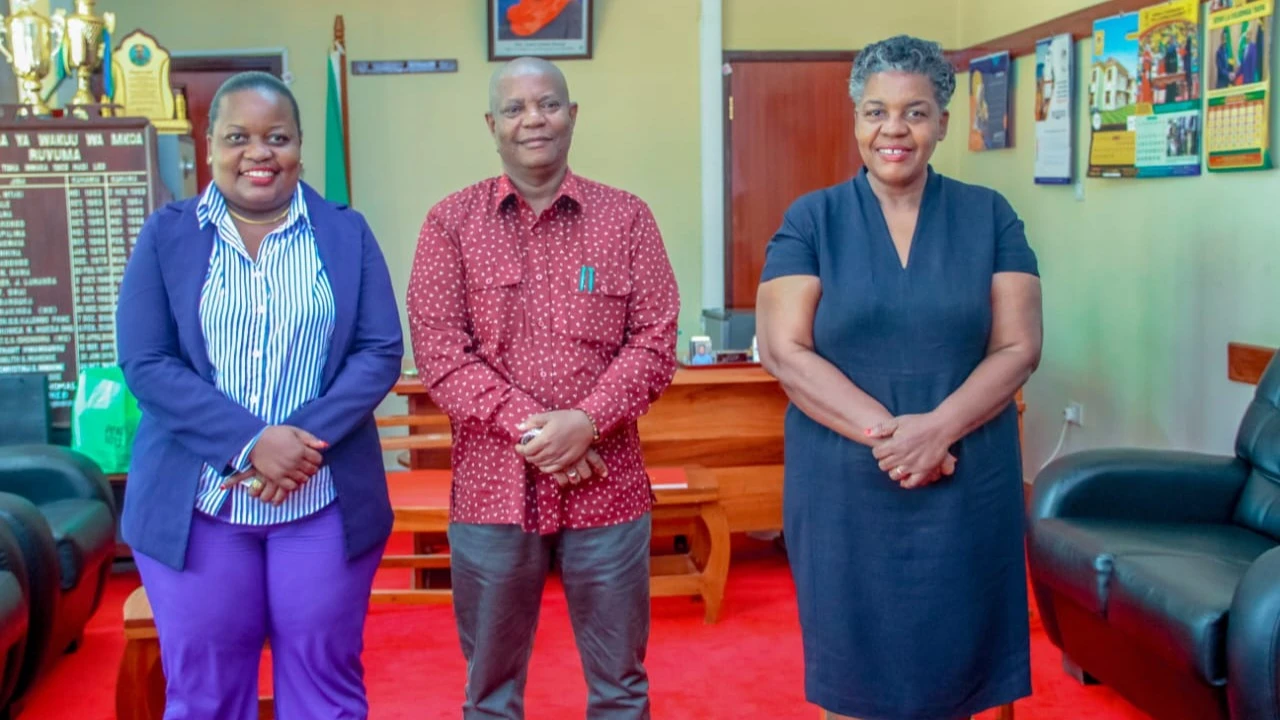
RUVUMA regional authorities have formed a specific team of peasants, pastoralists as well as experts which has been sent to other regions to learn best practices in forest conservation and conflict resolutions.
The move goes concurrently with the commitment by regional authorities with Objective X of its Strategic Plan 2026/2027 and 2030/2031 being Management of Environment and Ecosystem Enhanced and Sustained.
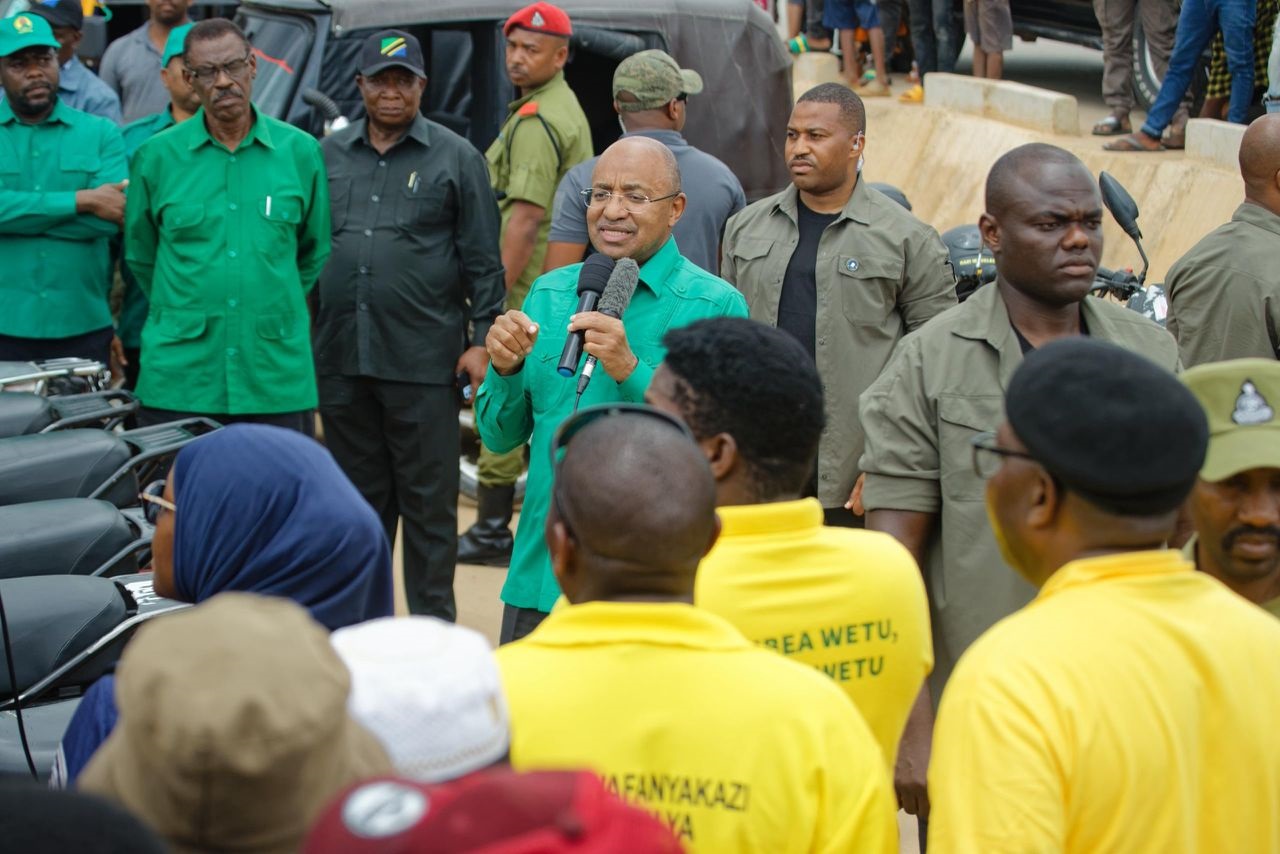
The revelation was made in Songea district recently during the Regional Consultative Committee Meeting conducted in the district recently and chaired by the Ruvuma Region Commissioner Brigadier General Ahmed Abbass Ahmed.
Speaking during the meeting, the RC raised concern over the prevailing conflicts between peasants and pastoralists in the region saying the vice hurts everyone in the region.
The RC mentioned overgrazing, coupled with tree ferrying as some of the vice that create water shortage in the region saying it was pertinent to address it to achieve the forecasted National Water Grid.
In another move, the Ruvuma region and Mbinga District authorities have reiterated their commitment to support initiatives meant to protect and promote conservation around the Ruvuma Basin.
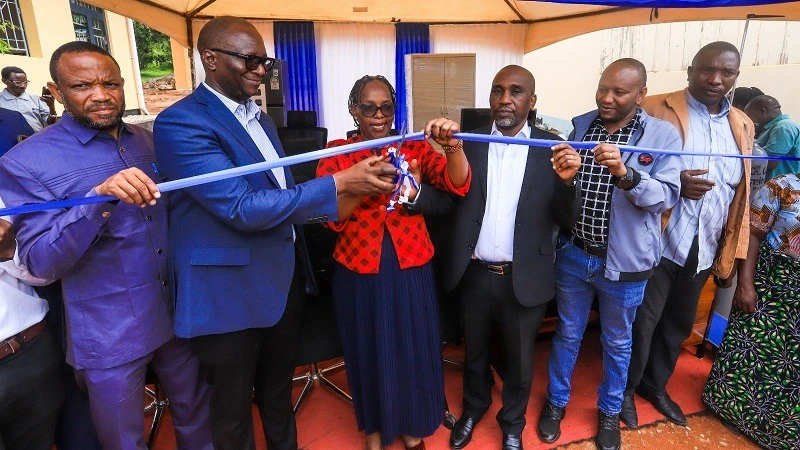
The duos made the commitment during a debriefing on the new project by the Youth Environmental Justice and Gender Equality (YOGE) titled the Inclusive Freshwater Governance for Sustainable Communities Project, popularly known as “Voices for Water, to be implemented in Songea and Mbinga districts within the Ruvuma Basin.
Led by Youth Environmental Justice and Gender Equality (YOGE), with support from International Union for Conservation of Nature (IUCN) through its BRIDGE Women Leadership Grants, the initiative seeks to strengthen inclusive and gender-responsive governance of freshwater resources while promoting conservation across the Ruvuma Basin.
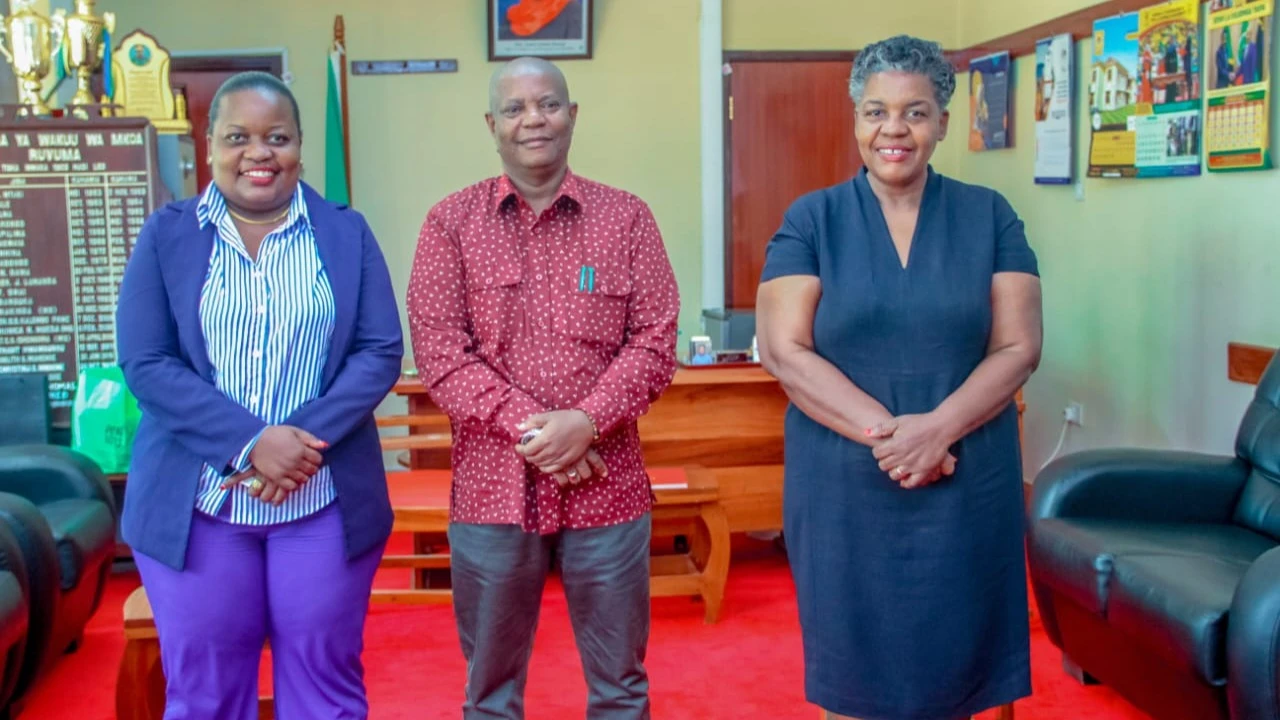
Speaking ahead of its launch, Ruvuma Regional Administrative Secretary Advocate Mary Gaspar hailed the move saying the Ruvuma River is a backbone for the region’s economy as it is used for economic activities for irrigation in huge plantations as well as by ordinary citizens.
“Decrease of water level is evident. There is a need to create awareness for the community to shun away from some of the beliefs where some burn fires on the pretext that the further the fire, the longer they are bound to live something which is not true,” said the Advocate.
Emmaus Ndunguru, Mbinga District Acting Executive Director said the project had gone to the right place as a lot of trees are ferried due to human activities.
“We need to train children to plant trees and to conserve water resources,” said Ndunguru.
The project is expected to directly and indirectly benefit more than 20,000 community members within the Ruvuma River Basin through a combination of training, advocacy, multi-stakeholder dialogue and media campaign.
The move is meant to promote inclusive sustainable water management, conflict resolution, and enhance climate-resilient practices that safeguard both livelihoods and ecosystems.
Other stakeholders for the implementation of the project include the Tanzania Media for Community Development (TAMCODE), Ruvuma River and Southern Coast Basin Water Board Mbinga Town Council, Songea District Council; Local Community based Organizations, Community radios and Digital platform media outlets.
Top Headlines
Trending Stories


© 2026 IPPMEDIA.COM. ALL RIGHTS RESERVED