




Kikwete joins other leaders in Uganda for SDG review
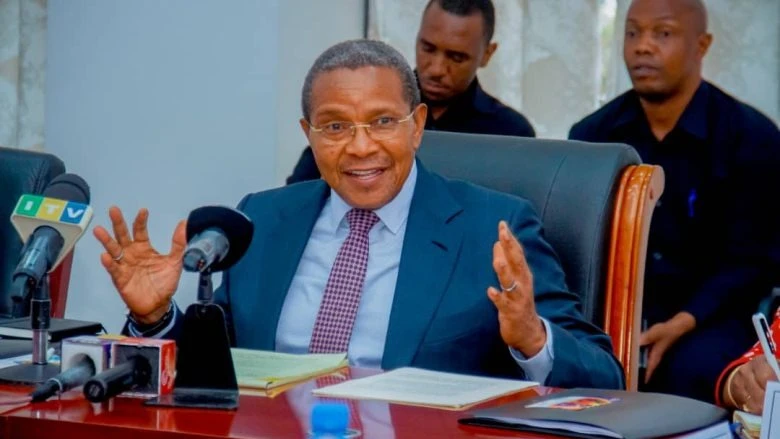
THREE former Presidents, including Dr Jakaya Kikwete are convened in Uganda today to assess Africa's progress on sustainable development and to develop new strategies for achieving the 2030 goals.
The 8th African Leadership Forum (ALF), organized by the Institute of African Leadership for Sustainable Development (UONGOZI Institute), is taking place today and tomorrow in Kampala, Uganda.
According to a statement released by the UONGOZI Institute, the forum is co-convened by Dr. Kikwete—Patron of the ALF—and Hailemariam Dessalegn, former Prime Minister of Ethiopia.
Other notable participants include Dr. Mohamed Moncef Marzouki, former President of Tunisia, and Dr. Ernest Bai Koroma, former President of Sierra Leone.
The statement confirmed that Ugandan President Yoweri Museveni is scheduled to officiate the forum’s opening session, highlighting the event’s significance in shaping Africa’s sustainable development agenda.
This year’s forum held under the theme: “Realising Sustainable Development Goals in Africa: Progress and Way Forward.” comes at a critical time—just two days before the 11th Session of the Africa Regional Forum on Sustainable Development (ARFSD), organized by the United Nations Economic Commission for Africa (UNECA), which will take place from April 9 to 11.
“The timing is seen as a deliberate effort to influence regional discussions with high-level leadership input and practical solutions,” the statement noted.
The two-day forum aims to assess Africa’s performance on the SDGs, identify major challenges hindering progress, and explore practical, collaborative strategies to accelerate implementation
Furthermore, the discussions will focus on four key themes ; poverty eradication and economic growth and Health and well-being.
Other will be education and skills development and the environmental sustainability and climate actions.
While some African countries have made progress in areas such as education, water access, and gender equality, many challenges persist. These include limited financing, policy gaps, climate-related disasters, weak healthcare systems, and high youth unemployment.
The forum further seeks to turn these challenges into opportunities for shared learning and coordinated action.
According to the UONGOZI Institute, the objective is not only to reflect on the progress made but also to reaffirm commitment to the SDGs and produce clear, actionable solutions.
Delegates will also focus on building partnerships and enhancing regional cooperation to ensure that no country is left behind in the pursuit of the 2030 goals.
The forum’s outcome statement, which will be presented at the closing session on April 8, is expected to feed into the UNECA-led regional discussions and help shape Africa’s unified position on sustainable development priorities.
Established in 2010 through a partnership between the governments of Tanzania and Finland, the UONGOZI Institute plays a vital role in nurturing ethical and effective leadership across Africa.
Operating under the President’s Office of Tanzania, the institute focuses on executive education, policy dialogue, research, and technical support aimed at fostering capable, visionary, and results-oriented leadership.
With just five years remaining before the 2030 deadline, the ALF 2025 presents a timely platform for African leaders to move from commitment to concrete action—working together to build a more sustainable future for the continent.
Top Headlines
Trending Stories









© 2026 IPPMEDIA.COM. ALL RIGHTS RESERVED