




‘Climate change to trigger half a million more malaria deaths in Africa by 2050’
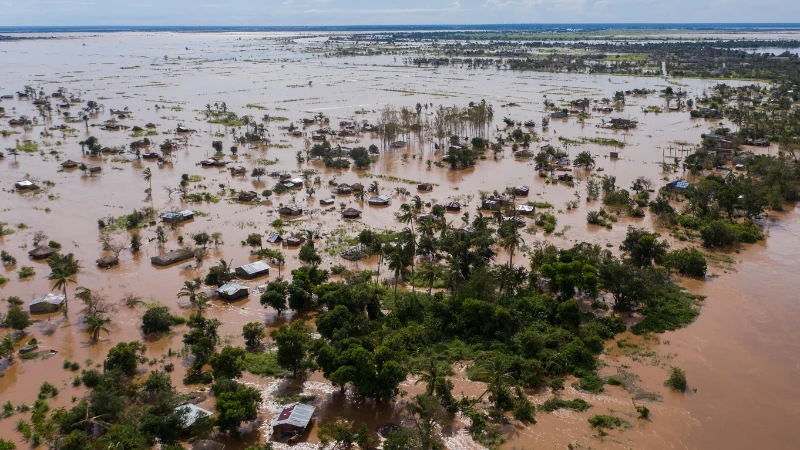
CLIMATE change is poised to worsen the malaria burden in Africa dramatically, potentially causing more than 500,000 additional deaths by 2050, according to new research published in Nature.
The study warns that intensifying extreme weather events such as floods, cyclones, and storms are creating conditions that favor the spread of the disease across the continent.
The research was led by Tasmin Symons, Associate Professor at The Kids Research Institute Australia and Curtin University. Her team’s findings indicate that natural disasters severely disrupt critical infrastructure, limit access to healthcare services, and destroy preventive tools such as mosquito nets. These factors, combined with the vulnerability of local populations, significantly amplify malaria transmission.
Over the next 25 years, the study projects more than 100 million new malaria cases in Africa, with a 93 percent increase in deaths and 79 percent rise in infections directly linked to climate-induced damage to homes and healthcare facilities. The destruction of housing exposes communities to mosquito bites, while the interruption of medical services reduces timely treatment and preventive interventions.
Children are expected to suffer the most. The study emphasizes that African children face heightened risks because extreme weather events often interrupt vaccination campaigns, distribution of insecticide-treated nets, and access to malaria treatment. Areas that had previously brought the disease under control are particularly vulnerable when climate-related disasters destroy infrastructure and delay recovery efforts.
Symons noted, “The greatest climate threat to malaria control in Africa does not come from small ecological changes, but from the persistent disruption of essential services caused by extreme weather.” This perspective shifts the focus from traditional ecological studies, highlighting the critical role of infrastructure resilience and healthcare access in malaria prevention.
While Africa has made significant strides in combating malaria—through improved housing, widespread mosquito control measures, and access to effective treatment—the study warns that these gains are fragile. Without rapid restoration of health systems and climate-resilient infrastructure, extreme weather events could reverse decades of progress.
The analysis integrates 25 years of climatic, epidemiological, and socioeconomic data, offering a comprehensive view of the complex interplay between climate change and malaria risk. The researchers stress that strengthening emergency preparedness, ensuring rapid health system recovery, and incorporating climate resilience into national malaria strategies are vital for safeguarding vulnerable populations.
Jonathan Carapetis, Executive Director of The Kids Research Institute Australia, described the study as providing concrete evidence to guide climate-adaptive health policies. Carlo Marra, Vice-Chancellor of the Faculty of Health Sciences at Curtin University, called it a new benchmark for modeling global health risks associated with climate change.
Top Headlines
Trending Stories







© 2026 IPPMEDIA.COM. ALL RIGHTS RESERVED