




Artificial wetland transforms polluted Kizinga River, improve lives in Temeke
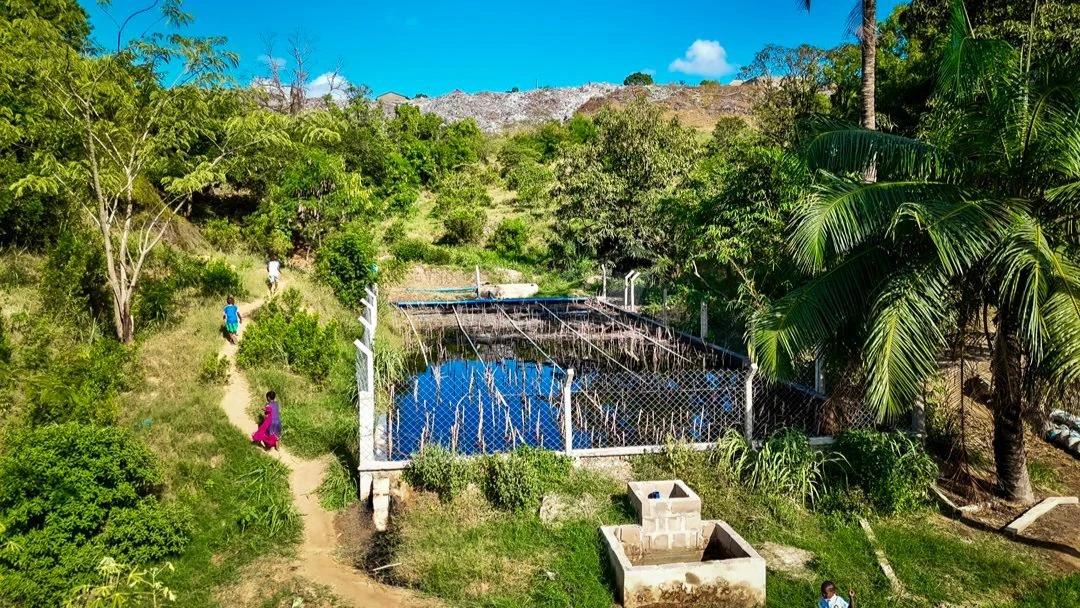
WATER is a precious resource that is essential to daily human life. Without water, there is no life, as most human activities largely depend on it. Despite the existence of alternative sources including wells, residents of Dar es Salaam rely heavily on water supplied by the Dar es Salaam Water and Sewerage Authority (DAWASA). The authority draws water from several sources, including the Kizinga River in Temeke District.
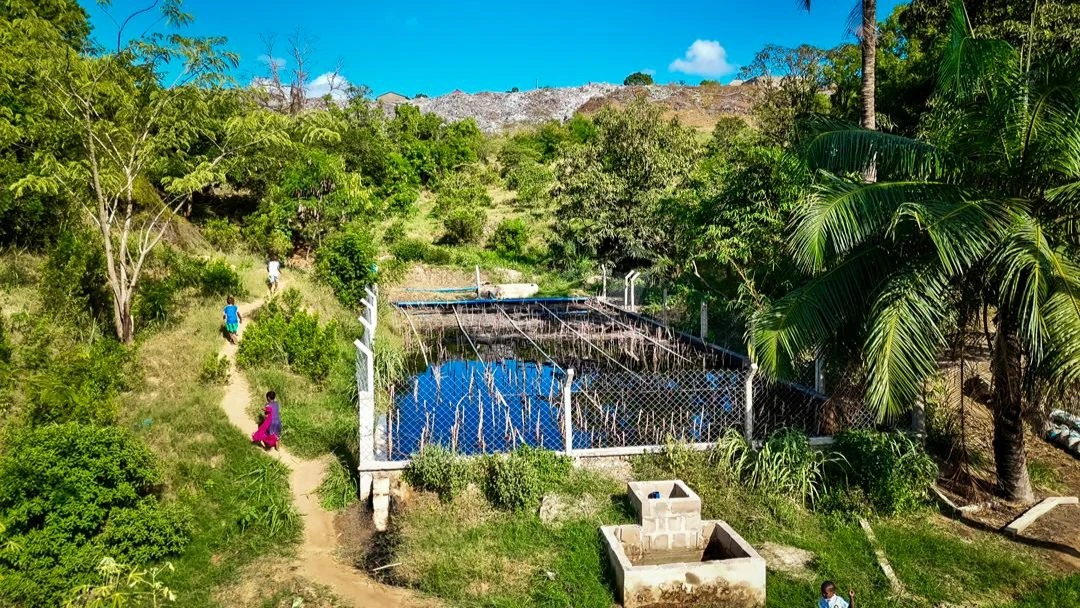
During a recent visit to the Kizinga River, The Guardian observed that combined efforts from various stakeholders— including the private sector and the government through the Wami-Ruvu Basin Water Board (WRBWB) have brought relief to residents of Dar es Salaam, particularly those in Temeke District.
This follows introduction of the Dar es Salaam Water Security Project in 2022, which has provided solutions to pollution in the significant river.
Before the project, which is implemented by WWF Tanzania with support from Tanzania Breweries Limited (TBL) and in collaboration with WRBWB to protect and restore water quality and quantity in the city—the river suffered from severe pollution caused by domestic sewage and solid waste dumped from a nearby landfill site.
Residents of Kiburugwa Ward in Temeke District said the project has been a lifesaver, as it has reduced serious health risks they previously faced. Prior to this intervention, polluted water flowed through residential areas before reaching the river, exposing residents to constant health hazards.
Aneth Stanslaus, a resident of Kilungule Street in Kiburugwa Ward, told The Guardian: “We are grateful for this project, especially the decision to construct an artificial wetland. Previously, dirty water flowed from the Kanisani dumpsite into our residential area; most of us suffered burns on hands and feet.”
She explained that the constructed wetland has significantly helped control pollution, to the extent that residents can now grow vegetables and fruit trees. Before WWF’s intervention, she said, no plant, vegetable, or tree could grow due to the toxic substances that had contaminated the soil.
“There used to be a very strong smell in this area—you couldn’t even eat,” she added. “Now we can plant seeds, grow vegetables, and earn some income.”
Another resident of Kiburugwa Ward, Marwa Mwita, said children used to fall sick frequently and suffered swollen feet after walking or playing in polluted water.
“We were spending a lot of money on treating our children,” he said, appealing to WWF to help ensure the landfill site is closed or relocated.”
WWF Tanzania Freshwater Programme Coordinator, Eng Christian Chonya, said that before the project, contaminated water from the landfill site was flowing close to residential areas and causing health problems for both—adults and children.
He explained that the project began with research, which revealed that polluted water entering the water source was coming from an illegal open dumpsite.
Residents of the Buza/Kilungule area initially began dumping waste in the area to prevent soil erosion; however, over time the area turned into a landfill that discharged polluted water flowing directly into the Kizinga River.
The engineer explained that the constructed artificial wetland has largely resolved the problem, as residents are now able to grow vegetables and use safe water for irrigation.
He said the Dar es Salaam Water Security Project focuses on key river sub-catchments that supply the city’s water sources—the Msimbazi, Mzinga, and Ruvu rivers.
Eng Chonya added that the project uses Nature-based Solutions (NbS), which are environmentally friendly approaches that protect and restore ecosystems while also providing sustainable water resources.
Some of the activities under the NbS approach include ecosystem protection, watershed management, tree planting, restoration of degraded areas, and other measures designed to improve both water quantity and quality.
He commended TBL for providing the funds that enabled implementation of the crucial project and encouraged other private-sector stakeholders to support water security initiatives, which would help ensure the availability of safe water through protection of water sources.
Eng John Kasambili, the WWF Tanzania Project Executant, said the project has been largely successful, as the landfill site is no longer in use.
“The closure of the dumpsite and completion of the artificial wetland, which is already operational, have significantly reduced pollution in the river,” he said.
He added that the project’s success was due to cooperation with local residents, including holding public meetings to explain the negative impacts of continued waste dumping at the site.
“Pollution of water sources increases the cost of water treatment for DAWASA; these costs eventually come back to us through water bills. Let us protect these sources so that water costs remain more affordable,” he added.
Aidan Kaaya for the Wami-Ruvu Basin Water Board (WRBWB) said the board had previousily received complaints from stakeholders and the community on the challenges of contamination at the Kizinga River.
“We worked closely with WWF Tanzania to ensure construction of the wetland; the problem has now been resolved as the dumpsite is no longer in use,” Kaaya said, expressing the government’s readiness to take over the project and to continue developing it once stakeholders completes their execution period.
Challenges
Despite efforts by stakeholders and the government to protect water sources, some residents living near the Kizinga River view the dumpsite as an opportunity.
Said Nyakabomba, a resident whose house is located very close to the dumpsite, said he would prefer dumping to continue in the area to prevent soil erosion.
He explained: “We started dumping waste here after seeing our homes were at risk; some of our neighbours’ houses were swept away by floods in past years. If the government and stakeholders can come up with alternative ways to prevent soil erosion, we would be grateful.”
According to Eng Christian Chonya, the presence of illegal dumpsites contributes significantly to pollution of water sources and degrades the environmental quality of Dar es Salaam city.
Top Headlines
Trending Stories








© 2026 IPPMEDIA.COM. ALL RIGHTS RESERVED