




BoT: 6.0pc GDP growth likely in current half year
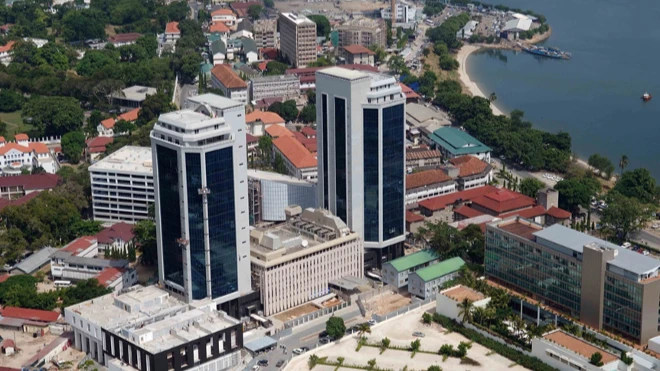
MAINLAND Tanzania’s economy is expected to maintain strong growth momentum in the second half of fiscal 2025/26, underpinned by broad-based sectoral expansion, stable inflation and sustained public and private investment, a recent update asserts.
The Bank of Tanzania (BoT) says in its latest monetary policy statement GDP growth to accelerate to above six percent during the second half of fiscal 2025/26, driven primarily by agriculture along with mining and construction, reflecting resilience across key productive sectors.
Agriculture is anticipated to benefit from improved farming activities and supportive government policies, while mining remains a pillar of export earnings amid sustained global demand for minerals, it stated.
Construction activity, boosted by large-scale infrastructure projects and private real estate investments, is also expected to remain a key driver of economic expansion, the report noted,
Zanzibar’s economy is projected to grow at 7.2 percent in 2026, supported largely by construction, tourism and manufacturing, with increased tourist arrivals and ongoing hotel and infrastructure development reinforcing its positive trajectory, it said.
Sustained public investment in strategic infrastructure alongside rising private sector participation underpins the dynamic, with credit growth supporting productive activities across agriculture, manufacturing, trade and personal consumption, helping to maintain overall economic dynamism, it explained.
Prudent monetary policy and improvements in the business environment will sustain lending to key sectors, expanding private sector credit playing a crucial role in supporting sectoral growth and enhancing economic resilience.
The global economic outlook is expected to remain favourable for Tanzania, with high demand for traditional and non-traditional exports, supporting foreign exchange earnings and external sector stability, it said.
Risks to the growth outlook are low, largely due to the diversified economic base, with activity spread across agriculture, mining, manufacturing, tourism and services, thus reducing vulnerability to sector-specific shocks.
On the price front, inflation is projected to remain within the target range of 3 to 5 percent, with Mainland headline inflation forecast at 3.6 percent in the third quarter and 3.8 percent in the fourth quarter, in contrast to Zanzibar, where inflation is expected to hover around 5 percent, it stated.
The stable inflation outlook is supported by reliable power supply, prudent fiscal and monetary policies, alongside muted external price pressures. Imported inflation is projected to remain low, partly reflecting easing global commodity prices and accommodative monetary policy in major economies. Energy inflation is expected to stay subdued, supported by declining global oil prices, the monetary update noted.
Yet, below-average rainfall could pose a risk to food prices in the coming months, despite adequate food reserves held by the National Food Reserve Agency (NFRA), which includes carry-over stocks maintained by private traders and households. These stocks are expected to cushion potential supply disruptions, it affirmed.
Market perception and CEO surveys conducted in December 2025 indicate sustained optimism within the business community. Respondents expected the economy to maintain its expansion trend within a low-inflation environment, reinforcing confidence in Tanzania’s macroeconomic stability heading into 2026, it added.
Top Headlines
Trending Stories
















© 2026 IPPMEDIA.COM. ALL RIGHTS RESERVED