




Gold exports to South Africa co-exist with value addition parameter in minerals trade
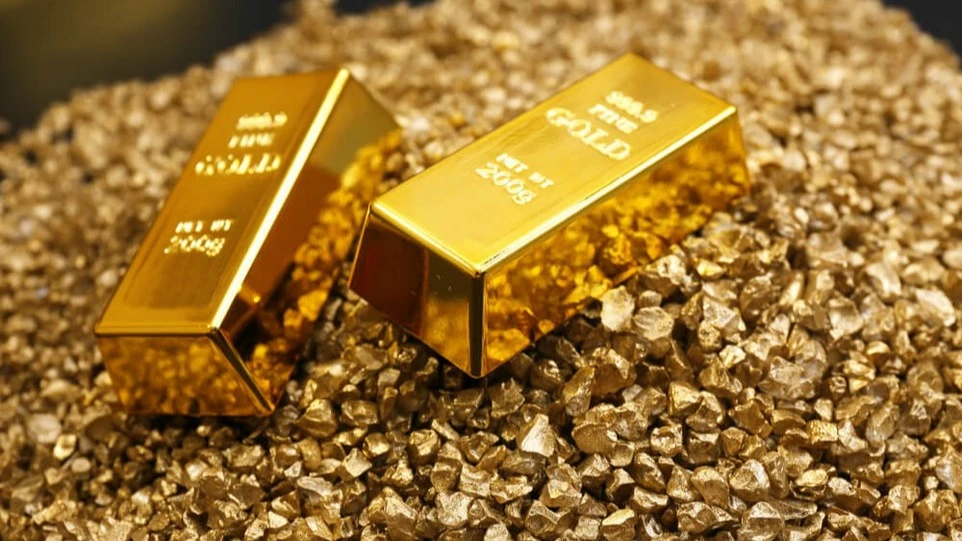
OBSERVANT laymen start wondering what is amiss when hearing that Tanzania’s gold exports to South Africa have increased significantly, rising to $2.293bn in 2024 and definitely on a higher note during the past year as declining aid flows puts greater pressure on export earnings to fill the gap.
A rapid explanation of local gold exports to South Africa notes that exporting is driven by the need to strengthen foreign exchange reserves, high global prices ($2,500 per ounce) and strategic efforts to formalize small-scale mining. It explains that South Africa serves as a key refining and storage hub within the Southern Africa Development Community (SADC).
One explanation for the situation is that while South Africa isn’t a major economic power needing massive stocks of gold to hedge the value of its currency as with Group of Seven advanced countries, and it is itself a major gold producer, it is a hub for refinery operations for client states like Tanzania.
This brings up the issue of why there is definitely no rush to apply the value addition parameter for the local mining sector, as it may not work as smoothly as it may appear on paper. It implies that gold trading like other products has limitations on how far its production and value addition can be fully localized, in like manner as in value addition for stones and other minerals, as there are value chains tied to authenticity or branding parameters.
These parameters are sort of guild safeguards by major historical producers where major mining operations in Global South countries need to be affiliated or syndicated, as running a parallel trade channel risks being confined to throwaway prices as in a smuggling operation, to cause least stir or noise.
There are examples of countries which for various reasons sought to break away from such guilds, the way countries like Russia and even South Africa have in the past attempted to steer clear of the Amsterdam-Antwerp guild for diamonds, and finally abandoned this pursuit. There are routine complaints on India exporting more tanzanite than Tanzania, and the reason is likely to be the same, as value addition in minerals has global quality modalities.
There is hence a network of firms in the production and value addition sphere linked with buyers like central banks or industrial users of this or that metal, ornament or industrial mineral the way diamond is used as ornament and as an industrial material, being among the hardest natural substance known.
Gold is similarly an ornament but has massive use as a store of value, a sort of currency reserve which can be preferred is market prices are rising, but such trends are unlikely to be durable. There is a general appreciation of the price of gold in tandem with the dollar, for instance the starting point for the shilling (at its birth, in 1966) was seven shillings to the dollar, reflecting the $35 fixed value of the dollar to one troy ounce.
Now the dollar stands at 2,500 to the troy ounce, while the shilling stands there as well, as if it started at 35/- to the dollar, then….
Chroniclers say that Tanzania exports a significant amount of its gold to South Africa for refining and storage, a trend that has contributed to a major increase in bilateral trade between the two countries, with export volumes to South Africa rising substantially, where gold sales to Johannesburg reached $2.226bn in 2024, making it a dominant export.
Much of the gold sent to South Africa is unprocessed or semi-processed, to be refined and even stored in South African vaults or returned, depending on projected needs of spot buyers from around the world. Analyst admit that this procedure is somewhat ill at ease with the value addition wish and explicit stance against selling unprocessed minerals. The trouble is that one refines and buyers treat is as a preliminary effort at refining, so we hear of its being’99 percent refined.’ Still a raw material….
What is noticed in this context is twofold, first that the rule of comparative advantage operates until mining and refinement procedures are comparable around the world and fully transparent, a situation unlikely to be achieved in the next 30 years. In that case procedural affinity with world market practices isn’t injurious as the opposite method is more costly.
Tied to that situation is that attempts to alter country earnings in the world market by regulatory compliance is a likely hindrance to investments, and when it is conducted by public agencies, a likely drain on scarce resources, as finally it is sold as enhanced raw material, not the final product as here compliance with world market verification is paramount and unavoidable, not open to negotiations, alliances.
Top Headlines
Trending Stories























© 2026 IPPMEDIA.COM. ALL RIGHTS RESERVED