




When chances go begging: How Simba SC’s players let a promising CAF campaign slip away
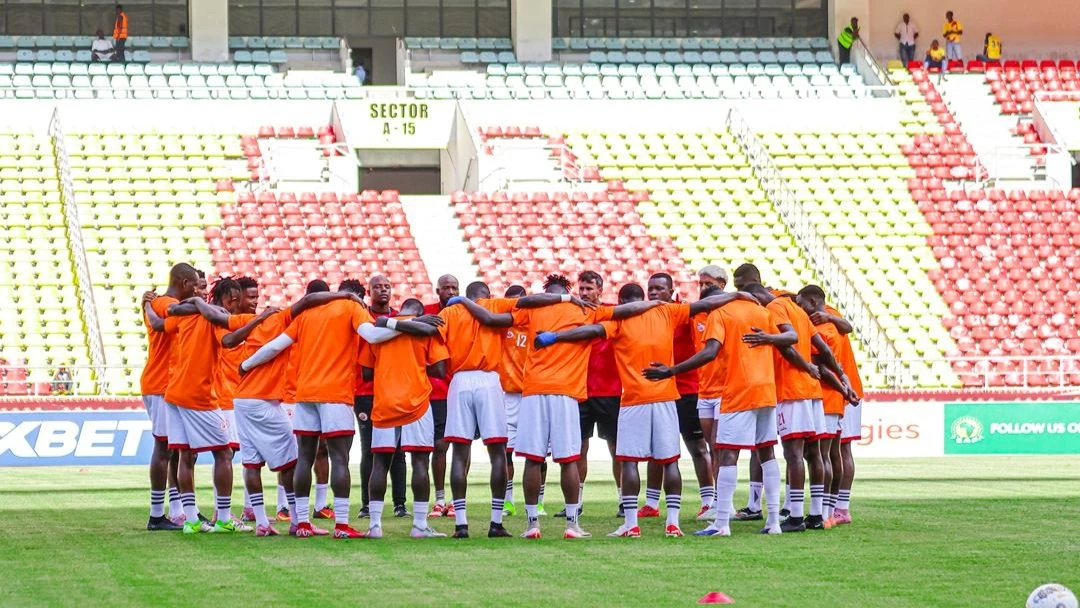
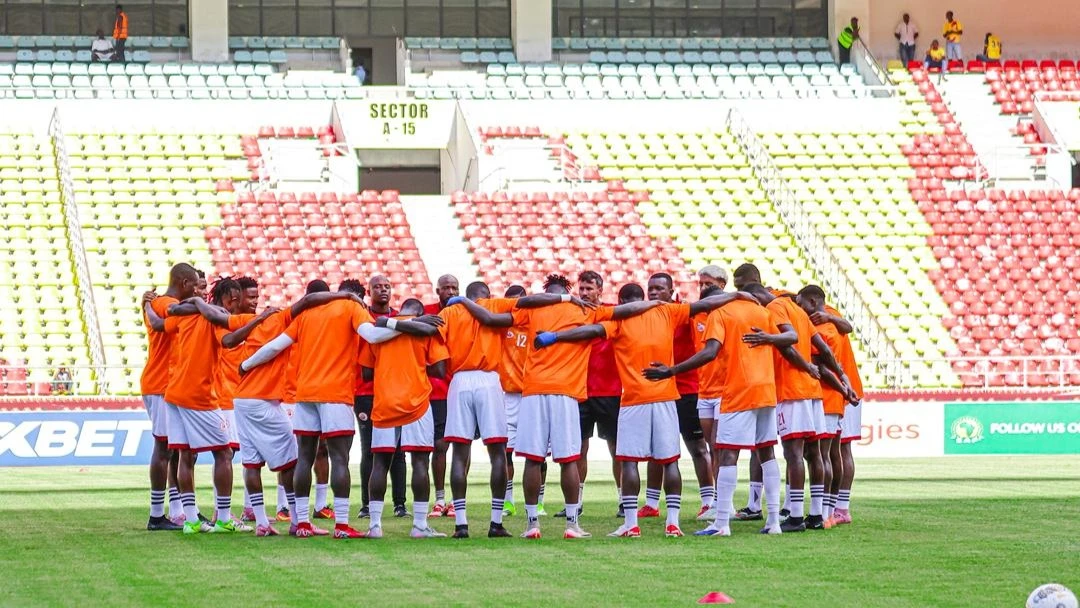
THE 2025/2026 CAF Champions League season will remain one of the most painful chapters in Simba Sports Club’s modern history. For a club that has grown accustomed to competing deep into continental competitions, Simba’s bottom place finish in Group D without a single victory was not just disappointing, it was humiliating by the club’s own lofty standards.
Yet as frustration spread among supporters and analysts alike, fingers were quickly pointed at club leaders and the technical bench. Questions were raised about coaching changes, recruitment decisions, and tactical direction. But a closer, match by match technical analysis of Simba’s campaign reveals a different and far more uncomfortable truth: Simba did not fail because of poor leadership or coaching instability - it failed because its players, particularly in attack, consistently wasted clear goal-scoring opportunities.
A Club Built on Continental Consistency.
To understand why this collapse felt so shocking, one must first appreciate Simba’s recent continental pedigree. Over the past eight seasons, Simba have established themselves as one of Africa’s most consistent clubs, reaching the quarterfinals or better in CAF Champions League and CAF Confederation Cup competitions.
The pinnacle of this rise came in the 2024/2025 season when Simba reached the CAF Confederation Cup final under coach Fadlu Davids. Although they fell short against RS Berkane losing 2–0 away and drawing 1–1 at home for a 3–1 aggregate defeat the campaign was historic and widely praised.
That run propelled Simba into elite company. In CAF’s 2025 club rankings, Simba were placed fifth in Africa with 48 points, behind only Al Ahly (78), Mamelodi Sundowns (62), Esperance de Tunis (57), and RS Berkane (52). No club from East or Central Africa ranked higher. Regionally, Simba stood clearly above rivals, with Young Africans SC trailing on 34 points, alongside Al Hilal of Sudan, while TP Mazembe followed with 30.5.
This context makes Simba’s Champions League collapse all the more baffling.
A Season of Questions and Misplaced Blame
Simba’s 2025/2026 CAF Champions League campaign ended in disappointment, but the immediate reaction from many quarters was to blame the club’s leadership or the technical bench. Some cited the early departure of coach Dimitar Pantev, while others questioned the mid group stage appointment of Steve Barker.
However, leadership instability alone does not explain missed sitters, poor decision making in the final third, or repeated failures to capitalize on dominance. In fact, across multiple matches under two different coaches Simba displayed the same flaw: an inability to convert chances when it mattered most.
At this level, such inefficiency is fatal.
Matchday One: Dominance Without Reward
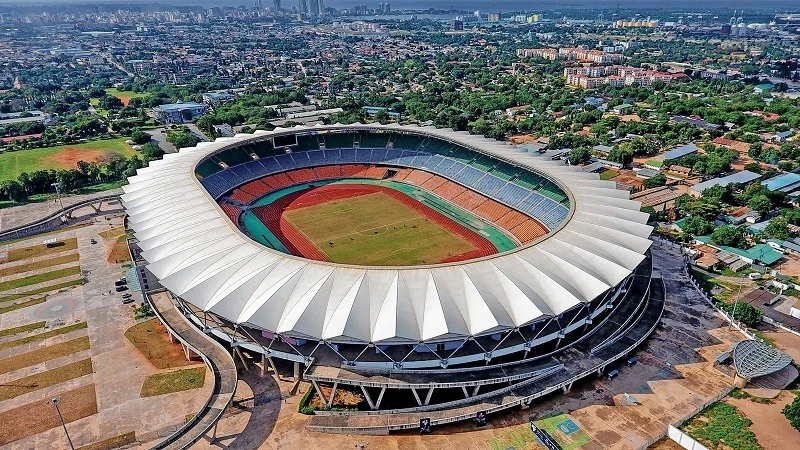
Simba’s campaign began on November 23 at the Benjamin Mkapa Stadium against Petro Atlético. The expectation was clear: a strong home performance and three points. What followed instead set the tone for the entire tournament.
Despite losing 1–0, Simba dominated possession with 57%, compared to Petro’s 43%. They attempted 11 shots, created three big chances, and completed 338 accurate passes, comfortably outperforming their opponents statistically.
Joshua Mutale created three chances more than any player on the pitch while Ladack Chasambi added two. Morice Abraham and Elie Mpanzu each registered three shots.
Yet none of it mattered.
In the 51st minute, Mpanzu found himself clean through on goal, one-on-one with the goalkeeper. Instead of scoring, he struck the side netting. Earlier, Morice Abraham hit the woodwork from a clear chance. On another day, Simba would have scored two or three goals. Instead, they left the pitch empty handed.
This was not a tactical failure. It was poor execution.
Matchday Two: Familiar Story in Bamako
Away to Stade Malien in Bamako, Simba again controlled proceedings, even in a hostile environment. They enjoyed 66% possession, attempted 14 shots, had four on target, and created two big chances both missed.
Simba completed 492 passes to Stade Malien’s 232, underlining their authority on the ball. Once again, Joshua Mutale led creativity with three chances created. Elie Mpanzu recorded three shots.
Yet Simba lost 2–1.
At this point, the pattern was unmistakable: Simba were playing well enough to win matches, but failing in the decisive moments.
Confidence, Reinforcements, and the Esperance Test
After two group stage defeats, Simba returned to domestic action but failed to build momentum, winning just one of three Premier League matches. Then came a defining double header against Esperance Sportive de Tunis.
By the time Simba travelled to Rades on January 24, optimism had returned. The club had reinforced its squad with experienced players such as Clatous Chama, Anicet Oura, Libasse Guèye, Nickson Kibabage, and Ismael Touré. Steve Barker had taken charge, bringing fresh ideas and structure.
Against Esperance away, Simba again showed courage. They recorded 53% possession, created two big chances, made 338 passes, and registered six shots, two on target.
Morice Abraham created two chances but failed to convert. Jonathan Sowah had two shots with no end product. Libasse Guèye successfully dribbled past Esperance defenders three times, yet without delivering a decisive moment.
Simba lost again but not because they were outplayed.
The Night That Slipped Away in Dar es Salaam
If any match encapsulated Simba’s Champions League downfall, it was the home fixture against Esperance at the Benjamin Mkapa Stadium.
Simba were magnificent in the first half. Goals from Shomari Kapombe (39’) and Yusuph Kagoma (45’) put them 2–0 ahead. The stadium believed. Qualification hopes were alive.
Statistically, Simba were superior: 57% possession, 11 shots, five on target, and three big chances. Clatous Chama produced a masterclass, creating four chances and earning a 7.7 rating. Libasse Guèye had two shots on target. Anicet Oura repeatedly beat defenders in dangerous areas.
But Simba failed to kill the game.
In the second half, Esperance fought back. Simba missed another clear opportunity when Morice Abraham failed to connect properly from close range. Esperance equalized. The match ended 2–2.
From that moment, Simba’s fate was almost sealed.
Angola: The Final Confirmation
Simba’s final blow came away to Petro de Luanda. A 1–1 draw played with 10 men officially ended their quarterfinal hopes.
Yet even here, the same story repeated. Simba created two big chances, registered six shots, and had multiple players involved in chance creation, including Kibu Denis, Shomari Kapombe, Elie Mpanzu, Yusuph Kagoma, and Selemani Mwalimu.
Kibu Denis alone had three shots. Had he converted even one, Simba would likely have won.
They did not.
The Uncomfortable Truth
Now it is official: Simba will not feature in the CAF Champions League quarterfinals this season. But the evidence is clear. Across five matches, under different coaches, with different systems and personnel, Simba consistently created chances and consistently failed to convert them.
Leadership provided investment. Coaches provided structure. The midfield supplied opportunities. What was missing was ruthlessness.
At the highest level of African football, matches are decided by moments. Simba had those moments. Their players let them slip away.
Until Simba’s attackers learn to punish opponents when dominance presents itself, no change in leadership or coaching will alter the outcome.
The problem was not on the touchline.
It was in front of goal.
Top Headlines
Trending Stories









© 2026 IPPMEDIA.COM. ALL RIGHTS RESERVED