




SADC stakeholders review satellite plans in Dar forum
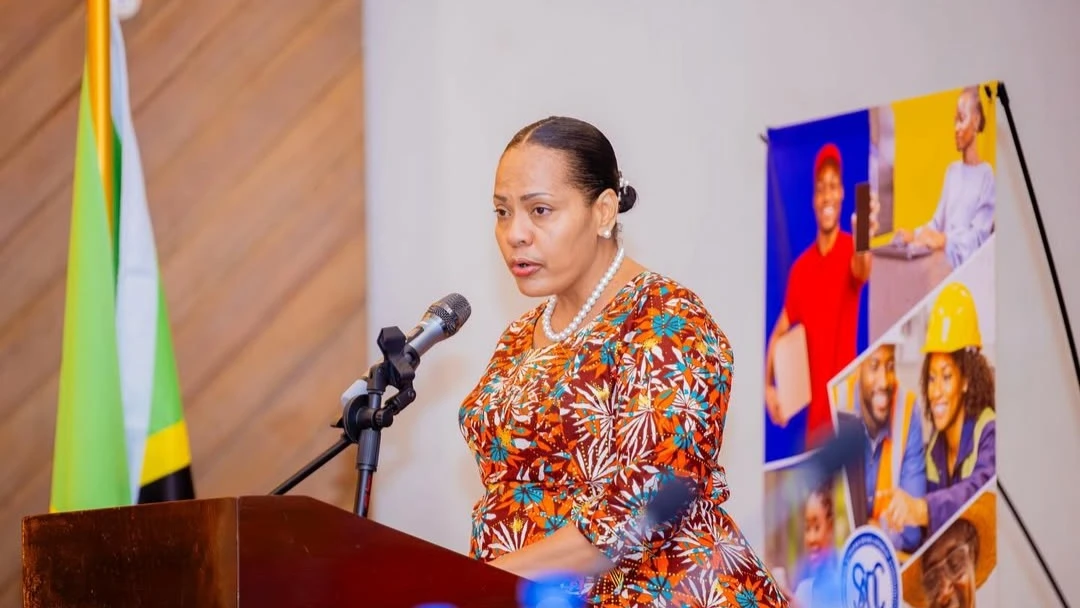
TECHNICAL experts from the Southern Africa Development Community (SADC) member states have convened in Dar es Salaam to review progress and chart the way forward on an ambitious regional satellite infrastructure initiative.
Angellah Kairuki, the Communication and Information Technology minister, officiated at the opening session for the 2026 SADC shared satellite forum in Dar es Salaam yesterday, noting that this initiative is meant to transform connectivity across the region.
Describing the gathering as a strategic step toward strengthening regional capabilities, enhancing disaster preparedness and securing technological sovereignty, she said the five-day forum, convenes specialists, policymakers, regulators and international partners, including the International Telecommunication Union (ITU) and the African Telecommunications Union (ATU).
The meeting is expected to review technical milestones, financing models, governance structures and spectrum coordination mechanisms necessary to operationalize the shared satellite framework, she said.
The event marks a critical transition from policy discussions under the SADC satellite sharing framework to concrete operational implementation, as the project is aligned with broader continental digital transformation goals and Africa’s aspirations to play a more prominent role in the global space economy, she asserted.
“Coordinated satellite services will expand connectivity, particularly among rural and under-served communities,” she said, highlighting that collaboration, transparent governance and sustainable financing are the pillars required to make SADC’s satellite vision globally competitive.
Improved satellite infrastructure would not only boost internet penetration but also strengthen early warning systems for floods, cyclones and other natural disasters that frequently affect the region, she specified.
Dr George Ah-Thew, the SADC secretariat ICT acting director, emphasized that the satellite project is one of eleven flagship initiatives in the SADC regional strategic plan, noting the welfare impact of the project in delivering high-speed internet to schools, clinics, postal offices and community centers across the region.
This will help to narrow the digital divide and promote inclusive growth, he said, underlining the urgency to go faster in the project. It has taken six years to develop the current pool of technical experts with support from the Angola Satellite Project Management Office (PMO) where the region now has an eight-year window to bring the satellite into full operation, he stated.
“Otherwise, we risk losing this critical opportunity,” he said, appealing to member states to accelerate decision-making on the issue and mobilize adequate resources, in a convention also used as a staging ground for upcoming international negotiations.
Dr Jabiri Bakari, the Tanzania Communications Regulatory Authority (TCRA) director general, said that the meeting was timely as the region prepares for the ITU world radiocommunication conference 2027 (WRC-27).
“More than 80 percent of the WRC-27 agenda is related to satellite matters,” he explained. “The outcomes will shape global spectrum allocation and satellite frameworks for decades to come. It is essential for SADC member states to coordinate closely and develop a harmonized position,” the regulator declared.
SADC expects to present a unified voice at the global level, ensuring that the region’s interests in the evolving space economy are protected and its digital infrastructure remains resilient and sustainable for future generations, he added.
Top Headlines
Trending Stories
















© 2026 IPPMEDIA.COM. ALL RIGHTS RESERVED